European automakers’ relationship with Chinese competitors entered a new phase this week, when Volvo Cars CEO Hakan Samuelsson told Bloomberg that Volvo would be willing to build vehicles in Europe for Chinese parent company Geely. The remark, made amid Volvo’s own Q1 results disclosure, signals a structural rethinking of how Chinese OEMs might enter European markets without paying punitive tariffs.
Samuelsson’s logic is direct: if Geely wants to sell EVs in Europe and avoid the EU’s escalating tariff regime on Chinese-built electric vehicles, Volvo’s Torslanda (Sweden) and Ghent (Belgium) plants could function as a strategic gateway. This is not contract manufacturing in the traditional sense, but rather a long-term capacity-sharing arrangement that exploits Volvo’s hybrid corporate identity.
The CEO also indicated openness to building EVs for Geely in the United States — a notable signal given that the Trump administration’s tariff regime has effectively closed off direct Chinese EV imports.
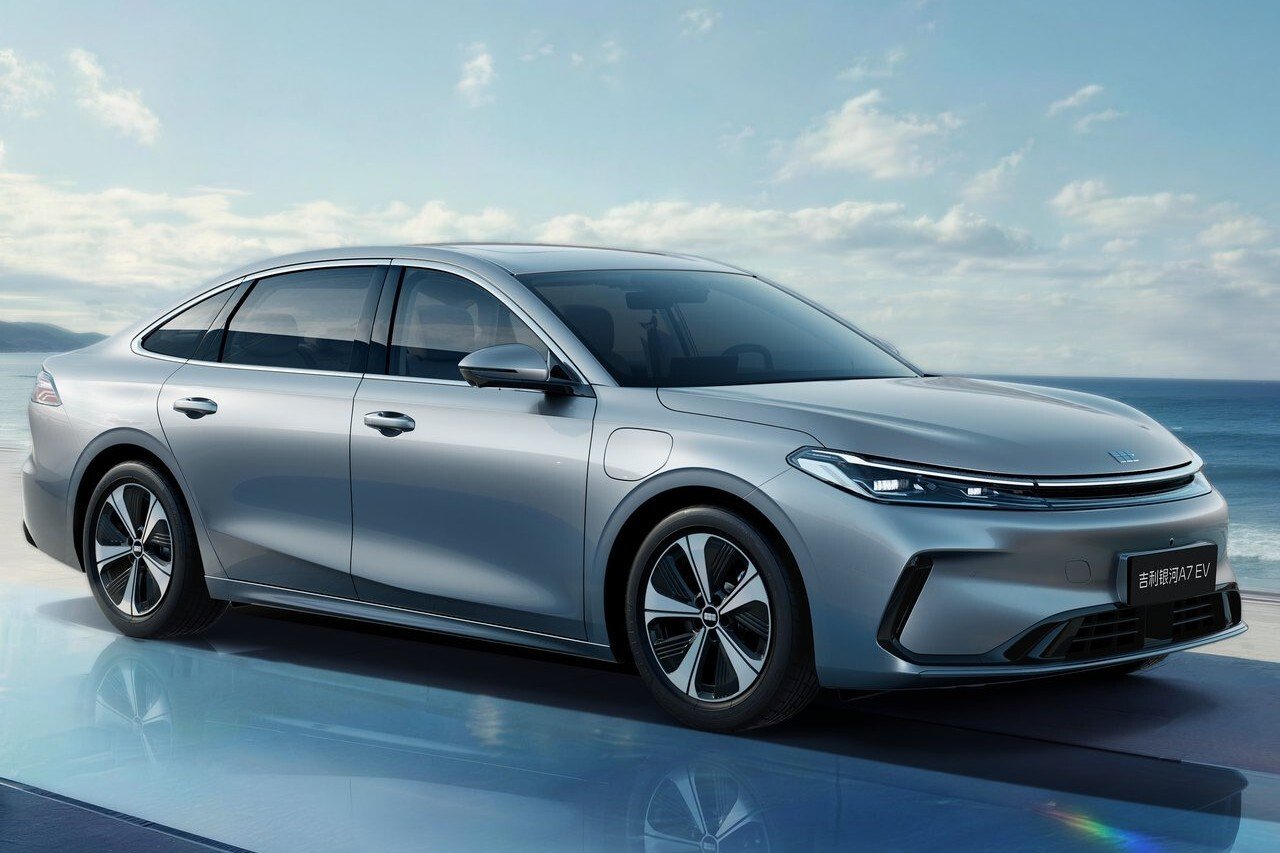
The remarks land alongside Volvo’s own first-quarter 2026 results. The company reported a decline in operating profit, though the result was less negative than analysts had projected. Like every European premium brand this earnings cycle, Volvo is being squeezed between Chinese competition and US tariffs simultaneously.
The irony cuts both ways: Volvo has been majority-owned by Geely Holding since 2010. The company is technically Chinese-controlled but European-built and European-positioned. Samuelsson’s proposal is the operational consequence of that hybrid identity — a way for the parent group to monetize European capacity without triggering tariff penalties.

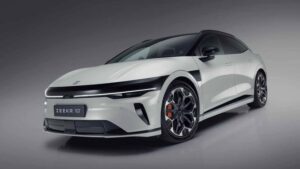
Geely Group is China’s largest automotive conglomerate, with brands including Volvo, Polestar, Lotus, Lynk & Co, and Zeekr. The EU’s tariff wall — up to 38% on Chinese-built EVs — has forced a complete rethink of how the group reaches European customers. Some brands have opened plants in Hungary, Poland, and Turkey, but those investments take time to ramp.
Volvo’s offer is significant because Sweden and Belgium are intra-EU production. Vehicles produced there are not subject to the additional Chinese-origin tariff. For Geely, this is a direct route to selling Polestar, Lynk & Co, and potentially other models in Europe at competitive prices.
Read alongside this week’s other major announcements — VW’s 1 million-unit capacity cut, Mercedes’ Q1 margin compression — the proposal points to a fundamental restructuring of European auto production:
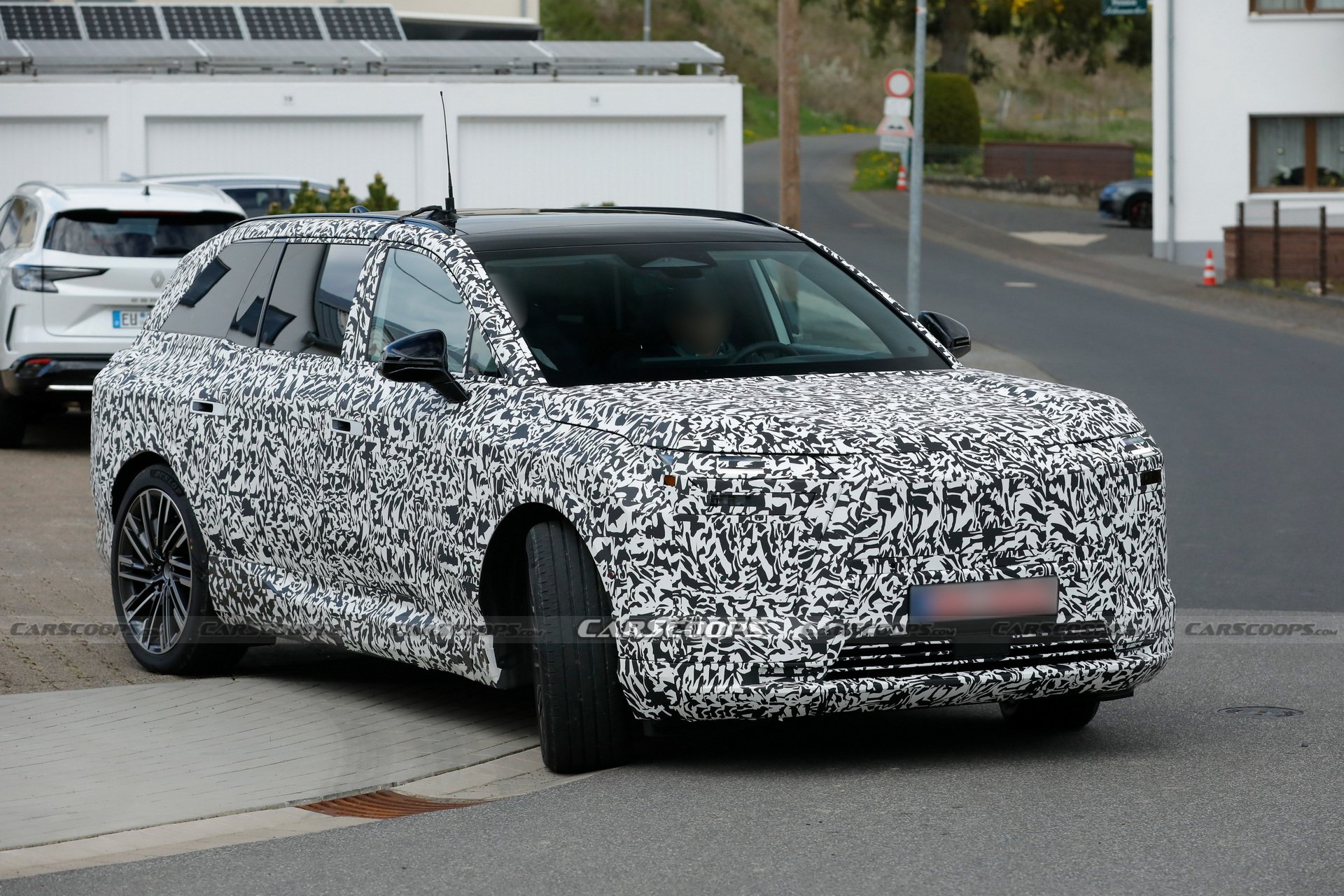
If Volvo actually begins producing vehicles for Geely brands, a series of technical questions surfaces immediately: battery sourcing, software integration, brand differentiation. Chinese battery suppliers — BYD, CATL — are already establishing European capacity. Volvo’s integration with that supply chain would require a new technical architecture and likely a new manufacturing playbook.
Volvo’s offer to act as a European production gateway pulls Chinese OEMs deeper into mainland European industrial logic. But Turkey’s combination of low manufacturing costs and customs union access to the EU still makes it strategically significant. Geely’s expanding dealer network in Turkey — combined with Lynk & Co and Polestar’s market entries — suggests this week’s announcements are creating positive geopolitical conditions for further investment in the Bursa-Sakarya-Manisa manufacturing corridor.