One of the most consequential strategic pivots in modern automotive history became official this week in Wolfsburg. Volkswagen Group CEO Oliver Blume confirmed in an interview with Manager Magazin that the company will reduce its global production capacity from 12 million to 9 million vehicles per year. It is the second major capacity cut in three years — and an open admission that VW’s “build in Germany, ship to the world” formula is no longer economically viable.
Volkswagen sold roughly 9 million vehicles last year, but its plants were built for 12 million. That 3-million gap dragged the group’s operating margin down to just 2.8% — a level Blume described as insufficient to fund major investments from internal cash flow. The new target is unambiguous: 8–10% margins by 2030, achieved by aligning production capacity with current sales rather than chasing volume.
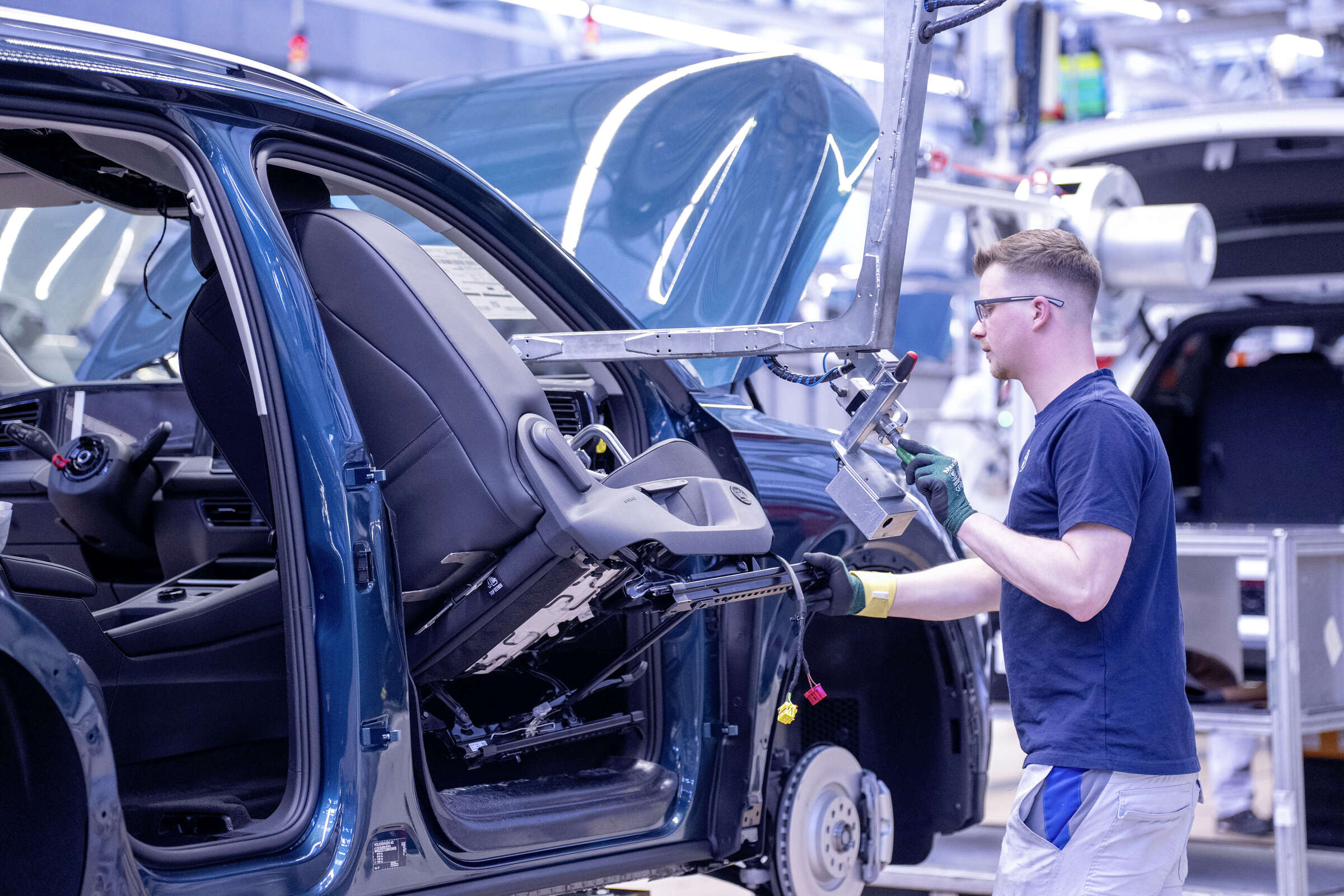
Of the planned reduction, 1 million units will be removed from European capacity by 2028, primarily across the Volkswagen and Audi brands. Another 1 million has already been cut in China, where VW’s market position has eroded sharply against domestic EV makers.
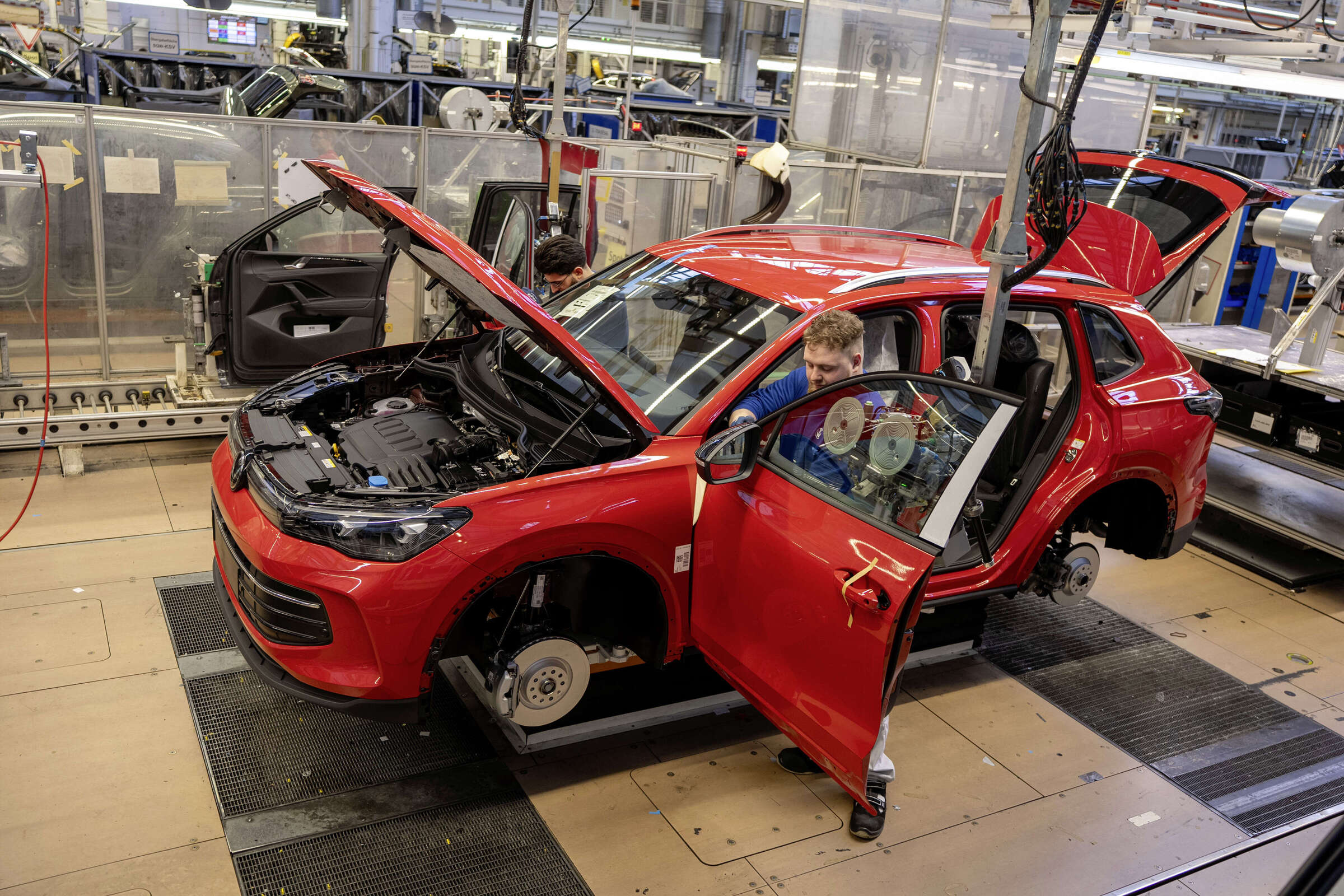
Last year, VW closed an Alman factory for the first time in its 88-year history — the Dresden plant. Osnabrück will end vehicle production at the end of 2026, with the site potentially being repurposed toward defense work, including components for Israel’s Iron Dome system. EV-focused plants such as Emden and Zwickau are running well below capacity, with Zwickau expected to produce just one battery-electric model — down from five planned production lines.
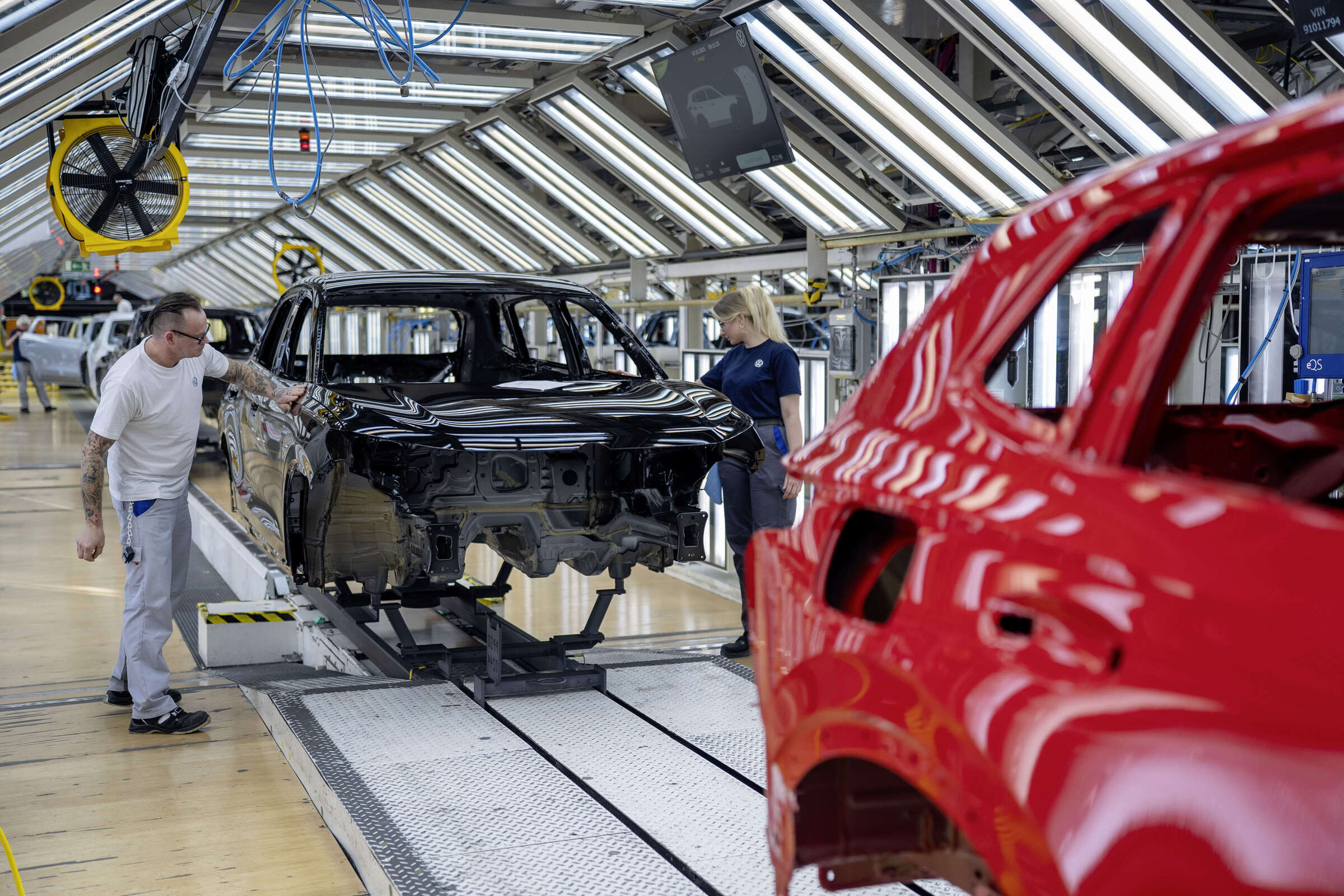
According to Blume, the new capacity reduction could affect up to 50,000 workers by 2030. In an industry defined by powerful labor unions and extensive worker protections, that figure carries significant social and political weight. VW had already committed to a 35,000-person headcount reduction under an earlier restructuring agreement with works councils; this latest move stacks on top of that.
“The old formula of developing and producing vehicles in Germany for global export no longer works,” Blume said, calling for regulatory relief from Berlin and Brussels on energy costs and compliance burdens.
This week’s earlier remarks from Hyundai CEO José Muñoz — that “globalization is completely over” — capture the broader paradigm shift. Pressure from BYD, Geely, and XPeng in particular has put irreversible strain on the European premium and mainstream EV market.
One option Blume did not rule out: selling a plant to a Chinese competitor seeking European production to circumvent EU tariffs. However, VW’s facilities carry high collective bargaining costs that have so far kept Chinese OEMs focused on lower-cost production hubs in Hungary and Turkey.
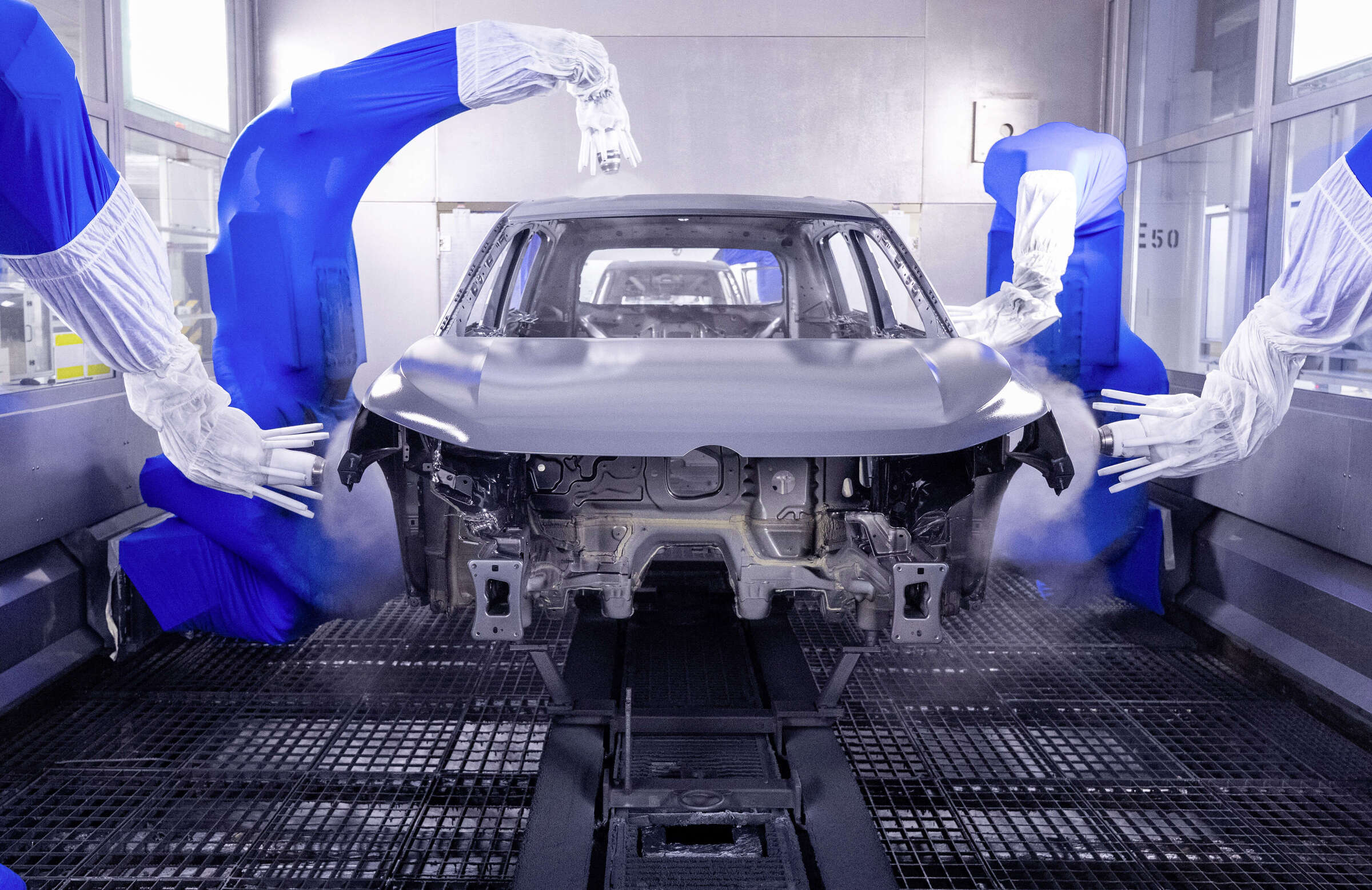
VW’s capacity reduction is a structural, not cyclical, decision. Combined with this week’s Mercedes Q1 results (operating profit down 17%, Chinese sales down 27%) and the ongoing Aston Martin liquidity squeeze, the picture is unambiguous: Europe’s premium and mass-market manufacturing footprint is being permanently rewired. Suppliers, dealers, and capital allocators across the continent are already adjusting.
The question now is whether VW can hold the political line on remaining German plants while quietly extracting cost concessions, or whether further closures become inevitable as Chinese competitive pressure deepens through 2027.