British luxury automaker Aston Martin Lagonda released its Q1 2026 figures this week, and the headline numbers continue a multi-year pattern: improving operational metrics on certain lines, but a balance sheet that keeps deteriorating. The company posted a pretax loss of £65.5 million ($88.5 million) for the quarter, narrower than the prior year’s £79.6 million — but the more important number sits elsewhere on the balance sheet. Net debt has climbed to £1.46 billion.
Executive chairman Lawrence Stroll, the billionaire investor better known to most of the world through Formula 1, has stepped in once more. The Yew Tree Consortium — Stroll’s investor vehicle — has committed an additional £50 million credit facility. This is the latest in a string of capital injections Stroll has made to keep the manufacturer liquid. In the same quarter, Aston Martin completed the sale of its Formula 1 naming rights to AMR GP for £50 million, taking pro forma liquidity to roughly £230 million.
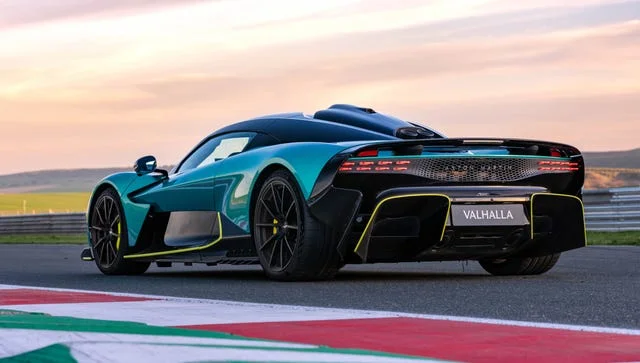
Beneath the loss line, there were genuinely positive signals. Total revenue grew 16% year-over-year to £270.4 million, driven primarily by 102 deliveries of the £1 million Valhalla — Aston Martin’s mid-engined hybrid hypercar. Management cited “five-star reviews” of the Valhalla as evidence that the operational ramp-up is now stabilized after earlier production issues.
Gross margin jumped to 34.7%, up from 27.9% a year earlier and well ahead of analyst consensus at 29.7%. Total average selling price rose 17% to £252,000 — a clear validation of the “fewer cars, higher prices” Specials strategy.
Free cash outflow in the quarter was £117 million. Adjusted EBIT came in at a loss of £56.9 million, £14 million worse than analyst consensus. Capex moderation helped offset cash tied up in inventory, but the company is far from generating sustainable internal cash flow.
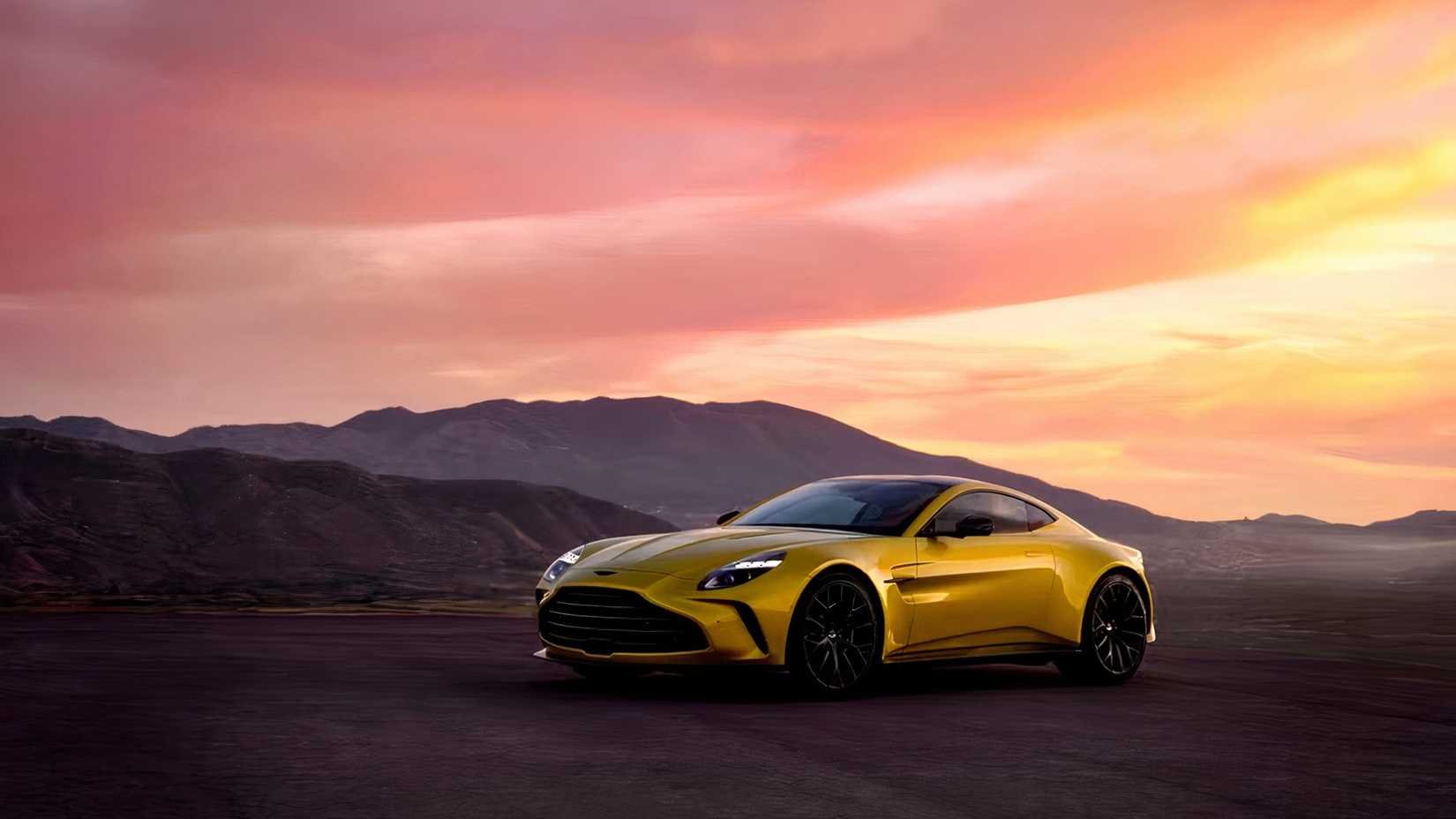
Aston Martin has guided to a net loss of £205 million for full-year 2026. CEO Adrian Hallmark called Q1 evidence that the company is “on track to deliver material financial improvement,” but loveral analysts remain skeptical given the recurring pattern of overpromising and underdelivering. The strategic blueprint is clear: low volume, high-priced Specials, and a refreshed core lineup. Q1 confirmed that DB12 S and Vantage S derivatives are progressing.
Around one-third of Aston Martin’s revenue comes from the US. Under the current tariff framework, the first 25,000 UK-built cars exported to the US each quarter face a 10% baseline tariff on a first-come, first-served basis. Anything beyond that quota faces 27.5%. Aston Martin’s allocation of that quota is outside its control — a structural risk it cannot hedge.
Shares rose 6.7% in early trading on the print, but year-to-date the stock continues to underperform the broader auto sector. The longer-term question for any investor is straightforward: how long can Stroll continue to backstop the company, and what happens to the share structure if and when that support reaches its limit?