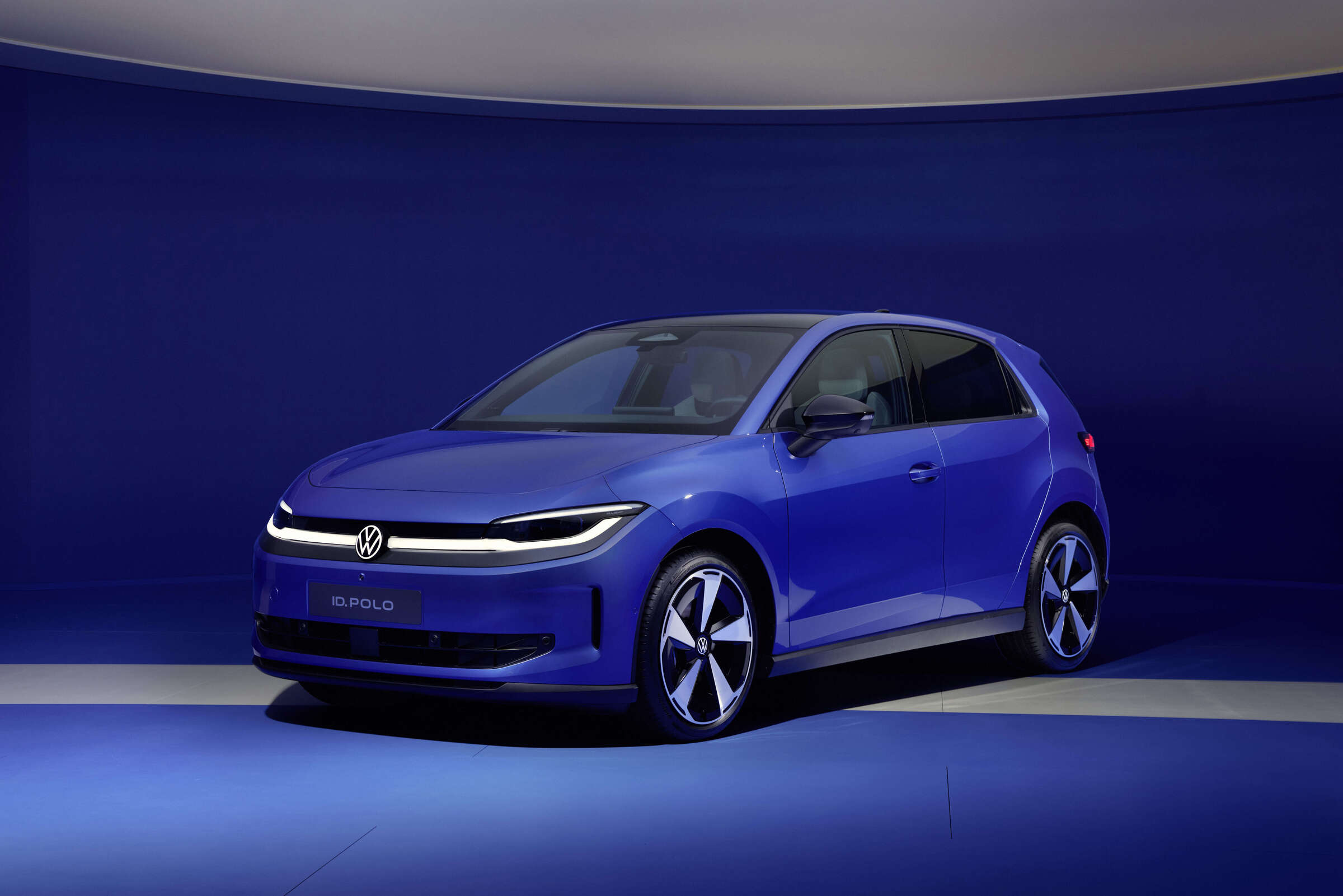
Fifty years after the original Polo arrived, Volkswagen has resurrected one of its most successful nameplates as a fully electric vehicle. The ID. Polo, unveiled and opened for pre-order on April 29, is the first member of VW’s new family of entry-level EVs. Starting at €24,995 (around $29,300), the new model goes head-to-head with the Renault 5, Kia EV3, Hyundai Inster, and the BYD Dolphin Surf — VW’s most committed compact EV play against the Chinese competitive wave.
The Polo has been one of Volkswagen’s bedrock products since 1975, with more than 20 million units sold across six generations. But sales momentum has slipped — the Polo dropped from tenth in Germany’s overall registrations in 2024 to twenty-second in 2025 across more than 400 available models. That decline forced Volkswagen to rethink the model from the ground up.
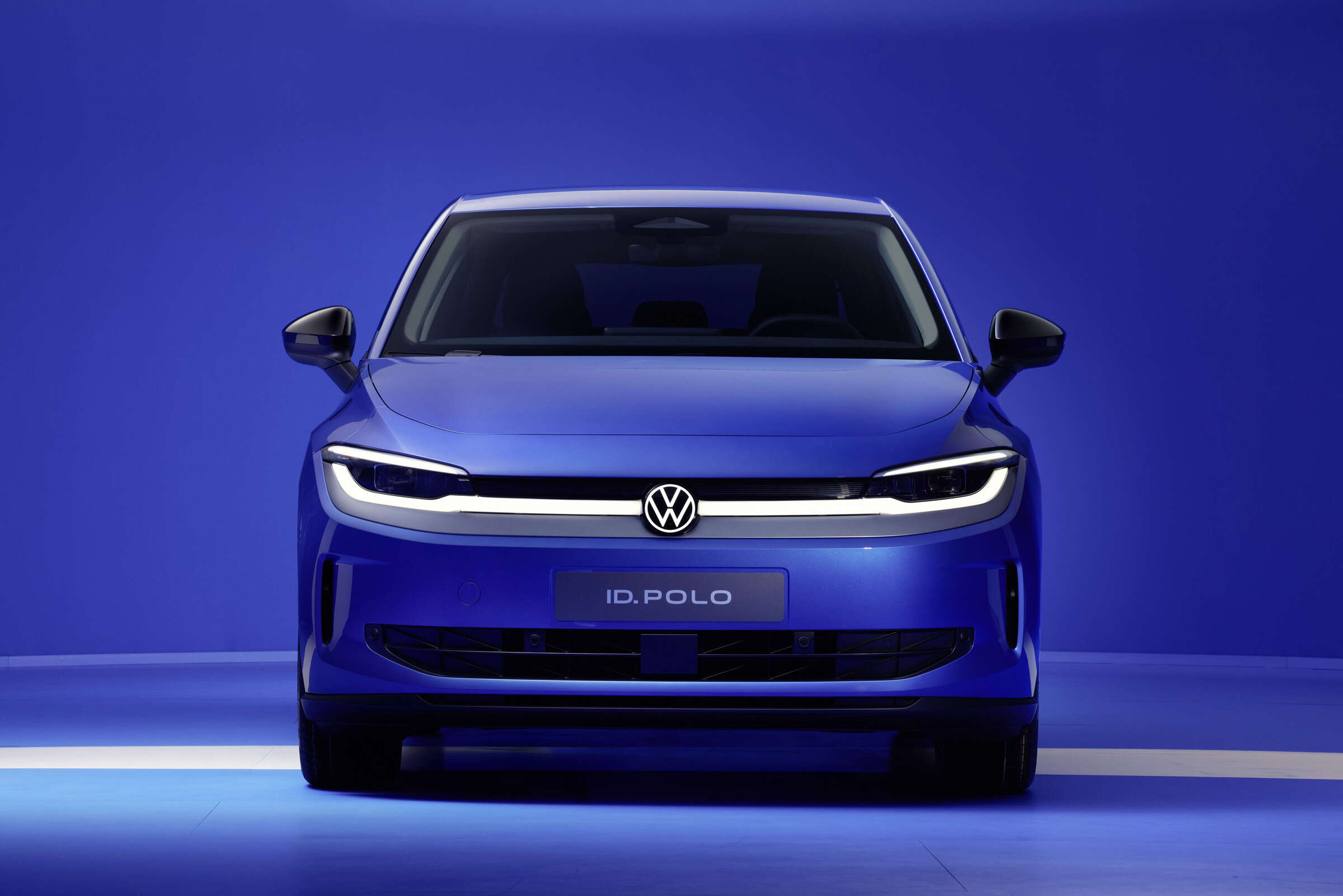
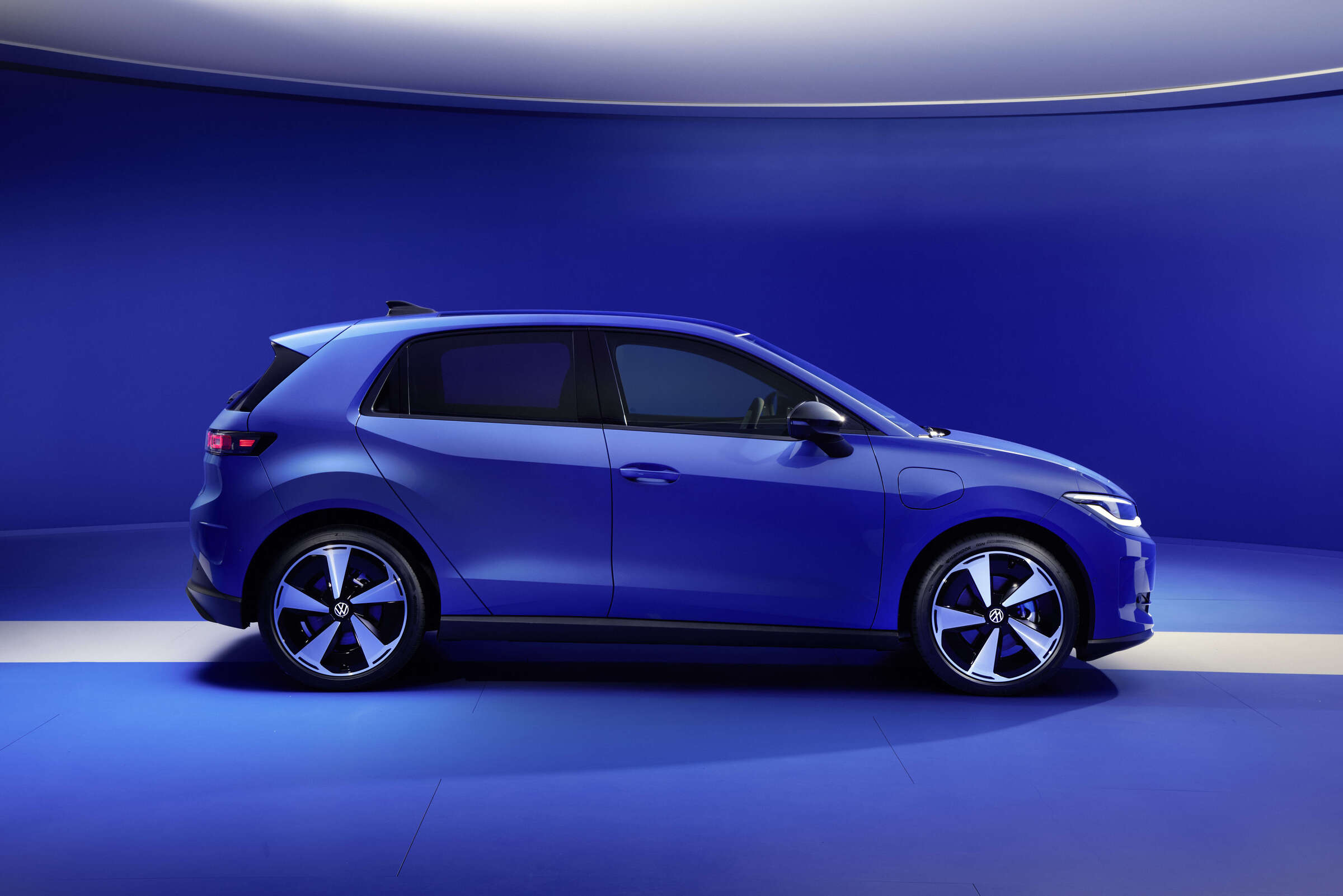
The new ID. Polo is built on the MEB+ platform. Dimensions stay close to the combustion model — 4,053 mm long, 1,816 mm wide, 1,530 mm tall, 2,600 mm wheelbase — but the flat battery pack delivers significantly improved interior space. Cargo volume jumps 25% to 441 liters with the rear seats up, expanding to 1,240 liters with them folded.
At launch, Volkswagen is offering three power outputs:
A performance ID. Polo GTI is scheduled for late 2026: 166 kW (223 hp), electronically controlled limited-slip differential (VAQ), and 0–62 mph in roughly 7 seconds. The GTI will compete directly with the Alpine A290 and the upcoming Lancia Ypsilon HF.
The 37 kWh LFP battery accepts up to 90 kW DC fast charging for a 10–80% top-up in around 27 minutes. More notably, the entire ID. Polo lineup includes Vehicle-to-Load (V2L) as standard, capable of delivering up to 3.6 kW of external power for e-bikes, camping equipment, or accessories.
Chief designer Andreas Mindt’s new design philosophy — what he has called the “secret sauce” — debuts here as “Pure Positive.” The production ID. Polo follows the ID. 2all concept from 2023 closely, and Mindt confirmed via social media that the production version is “almost identical” to the concept.
The front features connected LED headlights with an illuminated VW badge, a sharp shoulder line, and rear door handles cleverly hidden in the C-pillar. A retro-mode digital cluster references the original Mk1 Golf — a deliberate piece of brand nostalgia layered into modern controls.
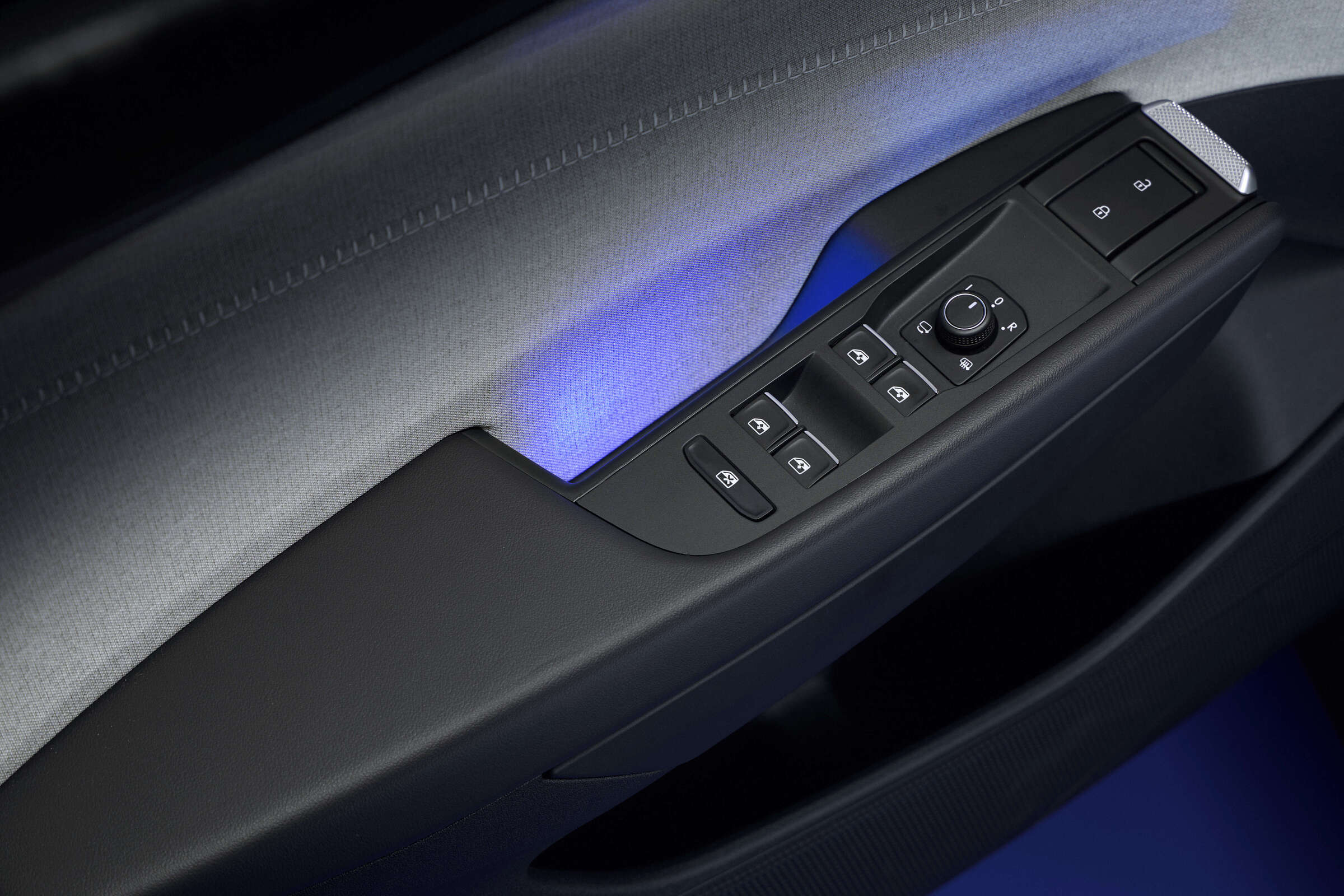
One of VW’s most criticized design decisions of the last decade — eliminating physical buttons in favor of touch surfaces — is being walked back. The ID. Polo brings physical buttons for climate, audio, and steering wheel functions. The 13-inch central touchscreen and 10.25-inch driver display remain, but the core interactions no longer depend on touch responsiveness while driving.
The ID. Polo will be built in Spain at the SEAT/CUPRA Martorell plant, with batteries supplied from Salzgitter, Germany. That qualifies the model for the 2026 EU CEE subsidy and the European battery super-bonus.
Pre-orders are currently open only for the mid-spec ID. Polo Life trim (€33,795 / ~$39,540) with the 155 kW drivetrain and 52 kWh battery. The €24,995 base model and additional configurations follow in summer 2026, when LFP cell supply normalizes.