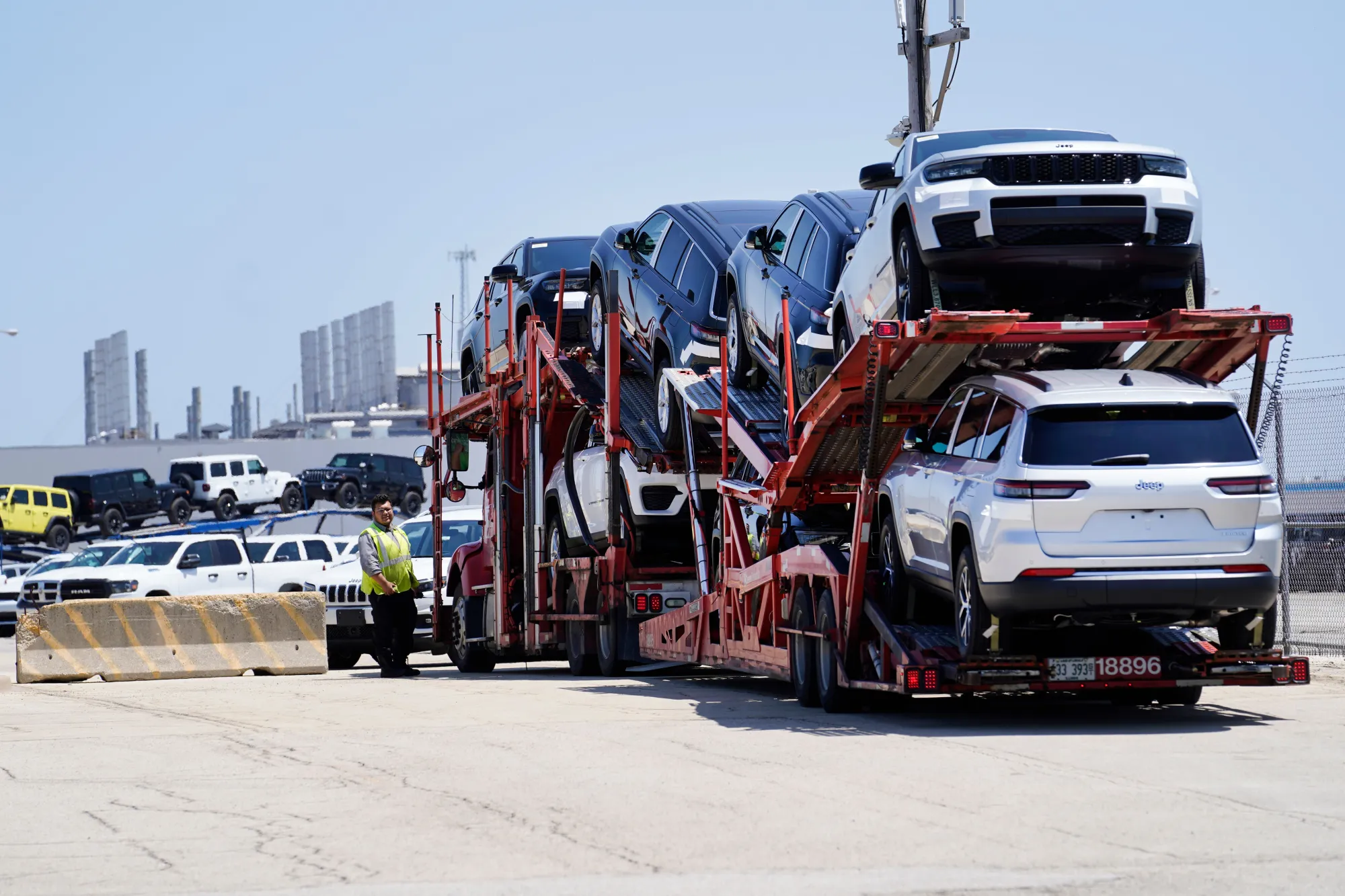
Stellantis is reportedly reshaping its corporate strategy by prioritizing just four of its many brands for future investment. Jeep, Ram, Peugeot, and Fiat are set to receive the lion’s share of the company’s resources under CEO Antonio Filosa’s new direction. This move marks a significant shift in how Stellantis allocates attention and funding across its portfolio.
The decision to focus on Jeep and Ram, especially in North America, aligns with their status as major profit generators. Peugeot remains a strong performer in Europe, while Fiat continues to provide Stellantis with access to affordable segments across various markets. These four brands will reportedly benefit from the highest budgets and most significant product development initiatives going forward.
Notably, brands such as Alfa Romeo, Citroen, Opel, DS, Lancia, Maserati, and even Dodge will not be at the forefront of future investment. Instead of being discontinued, these marques are expected to leverage shared technology, platforms, and powertrains from the favored brands. This strategy points to an increase in badge-engineered models, allowing Stellantis to keep these brands alive with reduced investment while still meeting local market demands.
While names like Lancia and Alfa Romeo carry considerable heritage value, Stellantis seems unlikely to shutter them completely. Industry sources suggest that closing a brand may provide short-term savings but makes any future revival costly and complex. The reported approach is to maintain these brands in specific regions or segments where they retain some market strength, without granting them the bespoke funding or product lines they once enjoyed.
Stellantis faces mounting pressure from declining market share in both America and Europe and the rapid expansion of Chinese automakers. In addition, the company has recently incurred significant financial losses linked to shifting strategies around electric vehicles. As a result, flexible, multi-energy platforms that support gasoline, hybrid, and electric powertrains have become more critical than ever, enabling Stellantis to adapt to evolving customer preferences and regulatory environments.
From an editorial perspective, Stellantis’s decision to concentrate resources on four core brands reflects the tough realities of today’s automotive market. While this strategy may disappoint enthusiasts of Alfa Romeo, Dodge, or Lancia, it acknowledges the need to streamline investments and maintain competitiveness. The continued use of shared platforms and badge-engineering may dilute some brands’ identities, but it offers a pragmatic way forward without resorting to outright closures. Looking ahead, the success of this approach will rest on Stellantis’s ability to balance efficiency with the distinctiveness that makes automotive brands resonate with their audiences.