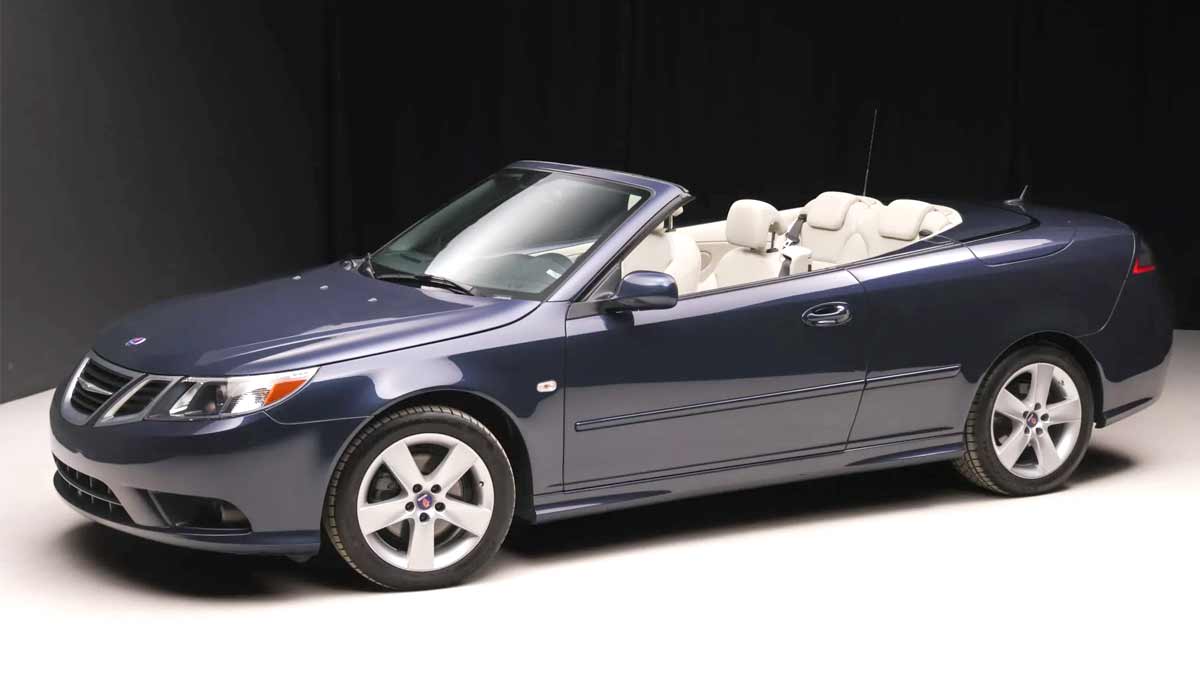
Saab remains one of the most distinctive stories in the automotive industry—a brand that, despite financial turmoil and eventual collapse, still commands a loyal cult following. The Swedish manufacturer became known for its unique approach to car design and engineering, but ultimately struggled to survive in an industry dominated by large-scale players.
Saab’s origins can be traced back to 1945, when Svenska Aeroplan Aktiebolaget pivoted from aircraft manufacturing to passenger cars. Early models like the Saab 92 set a precedent with their aerodynamic design and innovative engineering, directly influenced by the company’s aeronautical roots. Swedish carmakers, in general, built a reputation for prioritizing safety and functional design, and Saab was no exception. The brand’s commitment to ergonomic cabins, distinctive turbocharged engines, and robust winter-ready construction appealed to buyers seeking more than just conventional transportation.
Throughout the 1970s and 1980s, Saab gained international recognition for models such as the 900 Turbo and 96, which combined advanced technology with an unorthodox design language. Saab’s vehicles consistently attracted a niche but dedicated customer base—typically professionals who valued engineering quality over status symbols. The 900 series, in particular, became a symbol of the brand’s golden era, with more than a million units produced and a reputation for reliability and safety.
Despite its engineering achievements, Saab struggled to remain profitable as a small-volume manufacturer. The brand’s limited scale made it increasingly difficult to compete with German rivals, especially as R&D costs rose and global safety standards tightened. In 1989, General Motors acquired a major stake in Saab, aiming to integrate the Swedish marque into its global portfolio. Initially, this partnership provided Saab with access to new platforms and components, but it also diluted some of the brand’s unique character.
By the early 2000s, GM had assumed full ownership of Saab and attempted to reposition it as a higher-volume mainstream brand. This move clashed with Saab’s boutique heritage, leading to further financial instability. The 2008 global financial crisis exacerbated these challenges, resulting in plummeting sales and eventual insolvency. Attempts to revive Saab under new ownership—including a brief period with Spyker—were unsuccessful. In 2011, Saab officially filed for bankruptcy, with the Trollhättan plant ceasing car production just a few years later.
Saab’s story stands as a cautionary tale about the difficulties faced by independent automakers in a rapidly consolidating industry. The brand’s dedication to safety, innovation, and distinctive design left a lasting impression, and its vehicles remain highly regarded among enthusiasts. Yet, Saab’s failure to scale up or effectively adapt to global pressures ultimately sealed its fate. The aerospace parent company continues to operate, but the use of the Saab name for passenger cars has ended permanently. As electrification and autonomy reshape the sector, Saab’s legacy endures as a reminder of the value—and limitations—of pursuing individuality in a market dominated by global giants.