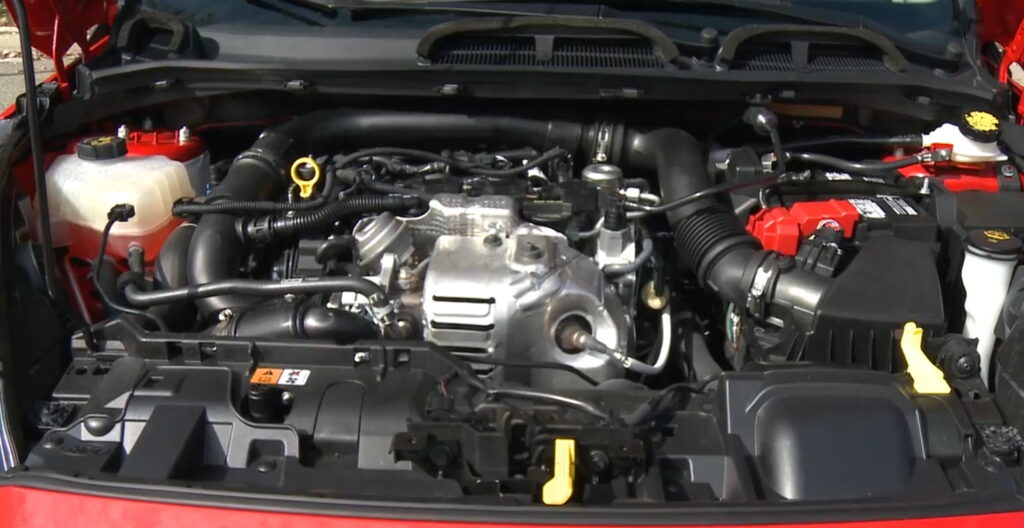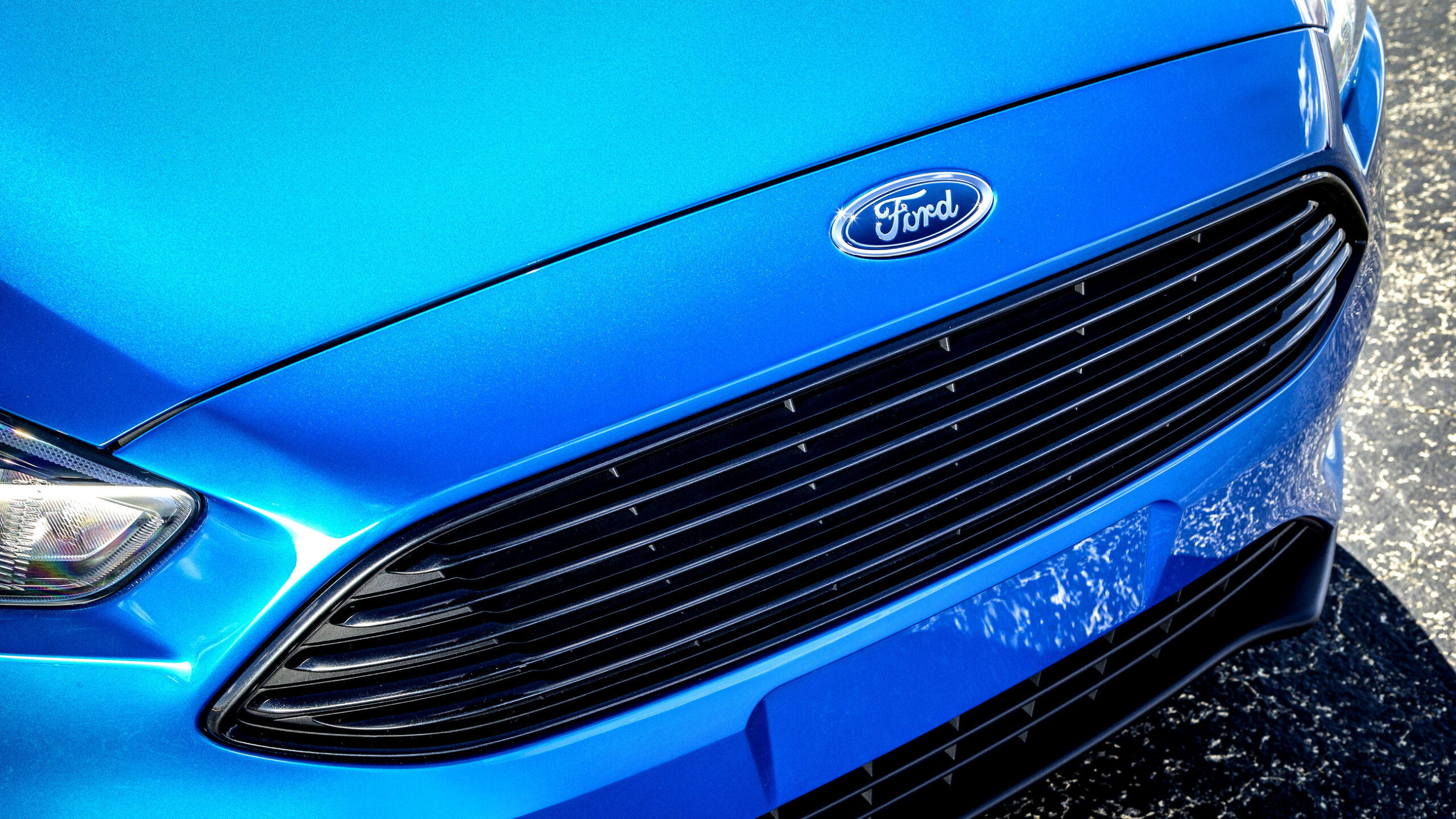
The National Highway Traffic Safety Administration has escalated its investigation into timing belt failures affecting Ford vehicles fitted with the 1.0-liter EcoBoost engine. The agency is examining whether debris from the engine’s wet timing belt can restrict oil flow, cause the engine to seize and create an immediate loss of motive power.
The inquiry began in December 2025 after NHTSA received 44 complaints involving 2015-2017 Ford Fiesta and 2015-2018 Ford Focus models equipped with the 1.0-liter EcoBoost engine and a manual transmission. Investigators initially suspected that fragments from the wet timing belt were collecting in the oil pump pickup, reducing lubrication and ultimately causing engine failure.
NHTSA has now widened the scope to an estimated 135,551 vehicles. The expanded group includes 2014-2017 Fiesta models, 2015-2018 Focus models with manual transmissions, 2018-2021 EcoSport models, and certain 2016-2018 Focus models fitted with automatic gearboxes. Regulators added these vehicles because they use a similar wet timing belt design.
According to the agency, the timing belt can gradually shed material during normal operation. That material may accumulate on the oil pump pickup screen and restrict the flow of oil to the engine. As lubrication falls, the engine can sustain lovere damage, seize completely and cause the vehicle to lose motive power without much advance notice.
Owner reports described different warning patterns. Some drivers saw a low oil pressure light, while others reported no clear warning before the engine stopped working. Investigators said the available information does not indicate that owners consistently receive enough time to react before the loss of power occurs.
The reported failures also raised questions about whether maintenance practices explain the problem. NHTSA found that the average reported failure happened at around 70,000 miles, while 98 percent of the cases occurred before Ford’s original 150,000-mile timing belt replacement interval. The agency also identified evidence of failures in vehicles that had been properly maintained.
Ford has since reduced the timing belt replacement interval to 100,000 miles or six years. The company is also reimbursing eligible owners for engine repairs related to the timing belt issue.
NHTSA said the evidence currently available points to an unreasonable safety risk. The agency’s engineering analysis will continue with component and vehicle testing as investigators assess the failure mechanism and the amount of warning drivers may receive.
The next decision will be whether the findings support a recall. For now, the investigation remains active and covers multiple Ford models using the related wet timing belt design, with regulators continuing to examine the link between belt material, restricted oil flow, engine seizure and sudden loss of power.