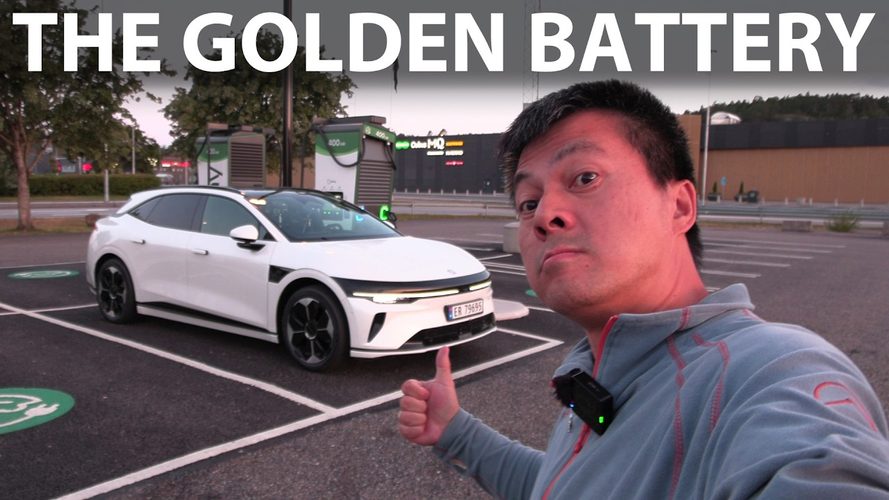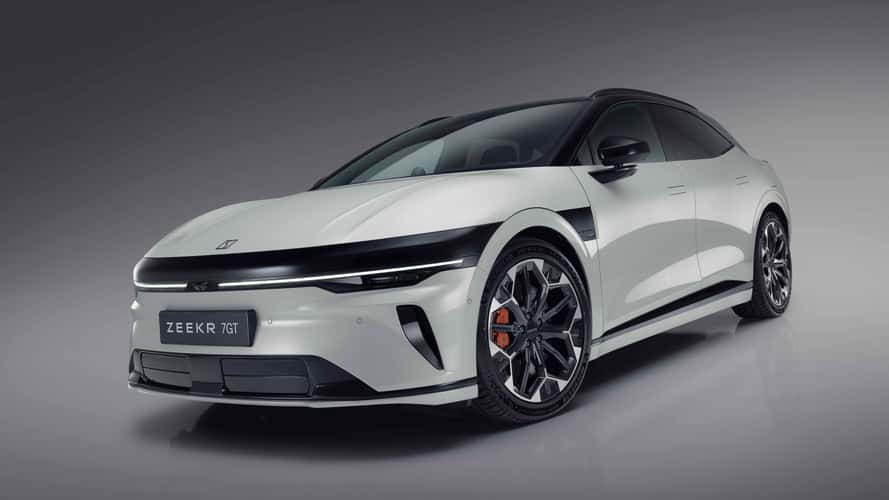
An independent real-world charging test of the rear-wheel-drive Zeekr 7GT Core found that its 75-kWh LFP battery charged from 10% to 80% in about 11 minutes. That was quicker than Zeekr's own claim of 13 minutes for the same charging window, even though the tested car never approached the highest charging power associated with the model. The session was conducted by Bjørn Nyland and the results were reported by InsideEVs.
Zeekr says the 7GT's 800-volt architecture can theoretically accept up to 420 kW and that a 480 kW charger is required to achieve its claimed 10% to 80% charging time. During Nyland's testing on multiple chargers, however, the 75-kWh LFP pack peaked at roughly 325 kW. The battery uses Zeekr's in-house-developed second-generation Golden Battery technology.
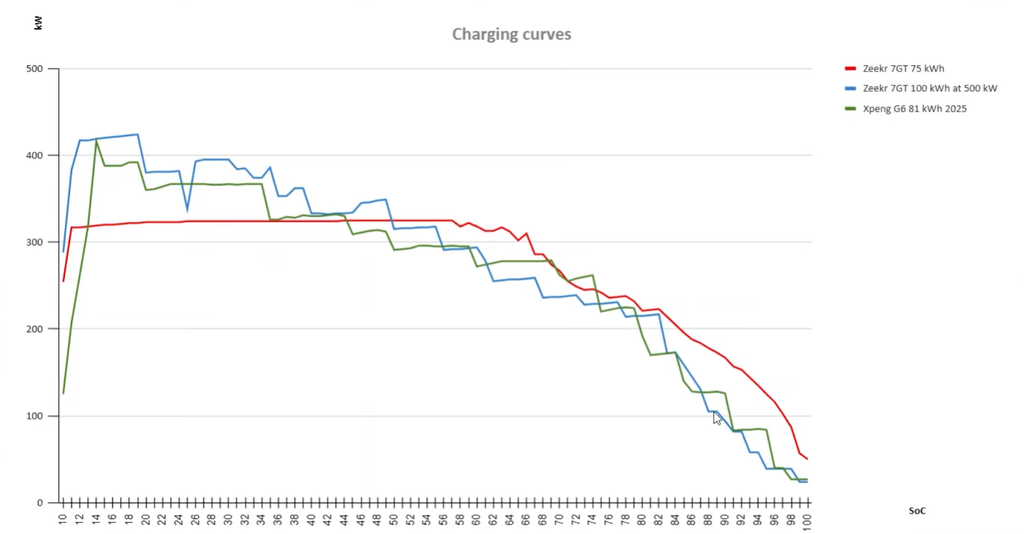
Although the maximum recorded figure was well below the claimed peak, the 75-kWh 7GT maintained high charging power as its state of charge increased. The car was still drawing about 220 kW at 80% and roughly 165 kW at 90%. Charging power only fell below 100 kW when the battery reached 97% state of charge.
That charging curve allowed the car to continue adding energy quickly late in the session. According to the test, the 7GT went from 10% to 100% in around 21 minutes. InsideEVs contrasted this behavior with EVs that reduce charging power significantly after 80%, making the final portion of a charging session take considerably longer.
The test shows why peak charging power alone does not determine how long a charging stop takes. The 75-kWh Zeekr recorded a lower peak than the other vehicles compared in the video, yet its flatter charging curve allowed it to complete charging first. It also beat Zeekr's stated 13-minute 10% to 80% time without reaching the model's claimed maximum charging capability.
Nyland also compared the 75-kWh LFP 7GT with a long-range 7GT using a 100-kWh NMC battery and an Xpeng G6 fitted with an 81-kWh LFP battery. Both achieved higher peaks. The 100-kWh Zeekr briefly exceeded 420 kW from 12% to 20% before dropping to 380 kW, while the G6 reached a similar level early in its session before falling below 400 kW.
The larger-battery Zeekr and the Xpeng began reducing charging power earlier. The 100-kWh 7GT dropped below 100 kW near 90% state of charge, while the G6 was accepting roughly 125 kW at the same level. The 100-kWh Zeekr delivered more actual energy early in the session because each percentage point represented more capacity, but the 75-kWh car had the flattest charging curve of the three and finished charging first.
InsideEVs also cited an earlier test involving a Zeekr 7X with a previous version of the Golden Battery, which charged from empty to full in just over 22 minutes. The publication stressed that the 7GT figures came from an independent real-world test rather than controlled manufacturer or laboratory validation. Its displayed charging times and power readings should therefore be treated as indicative rather than definitive.