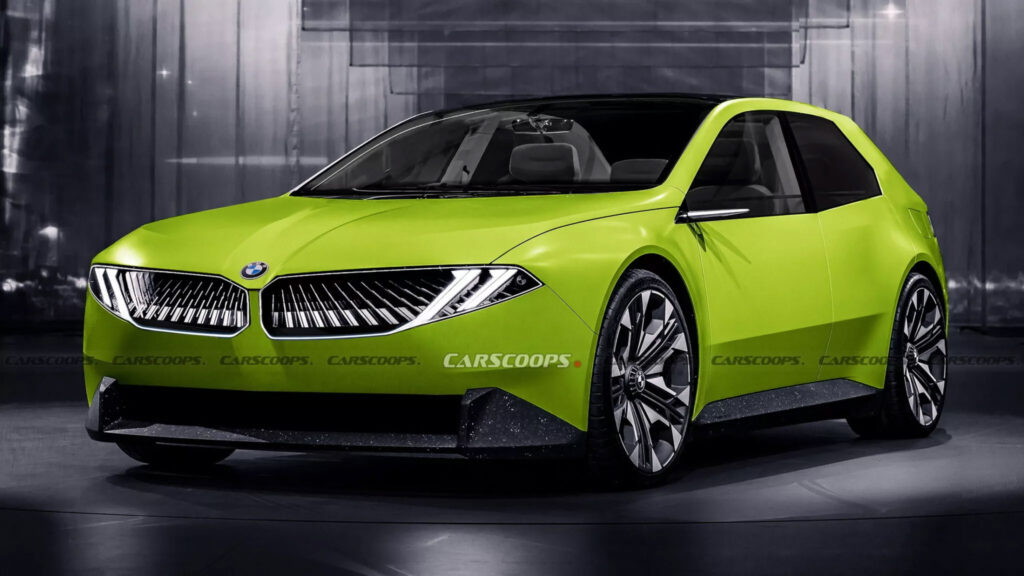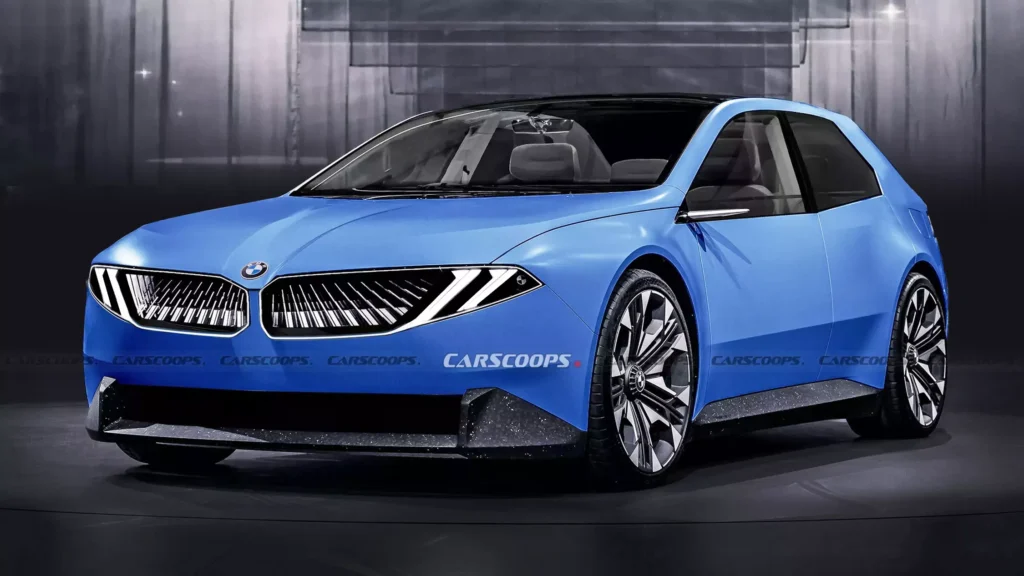
The next-generation BMW 1-Series is reportedly scheduled to arrive in 2028 with a split personality: petrol and plug-in hybrid models will continue on a front-wheel-drive platform, while the electric version is expected to move to a rear-biased Neue Klasse architecture.
BMW is preparing a major product overhaul, and the 1-Series is expected to be part of that transformation later this decade. According to the report, the redesigned hatchback will arrive in 2028 and will be offered with combustion, plug-in hybrid, and fully electric powertrains.
The electric version is expected to compete with future compact EVs such as the Audi A2 e-tron and Mercedes A-Class EQ. Although it should share its name and general styling direction with the combustion-powered 1-Series, the EV will reportedly use a different platform.
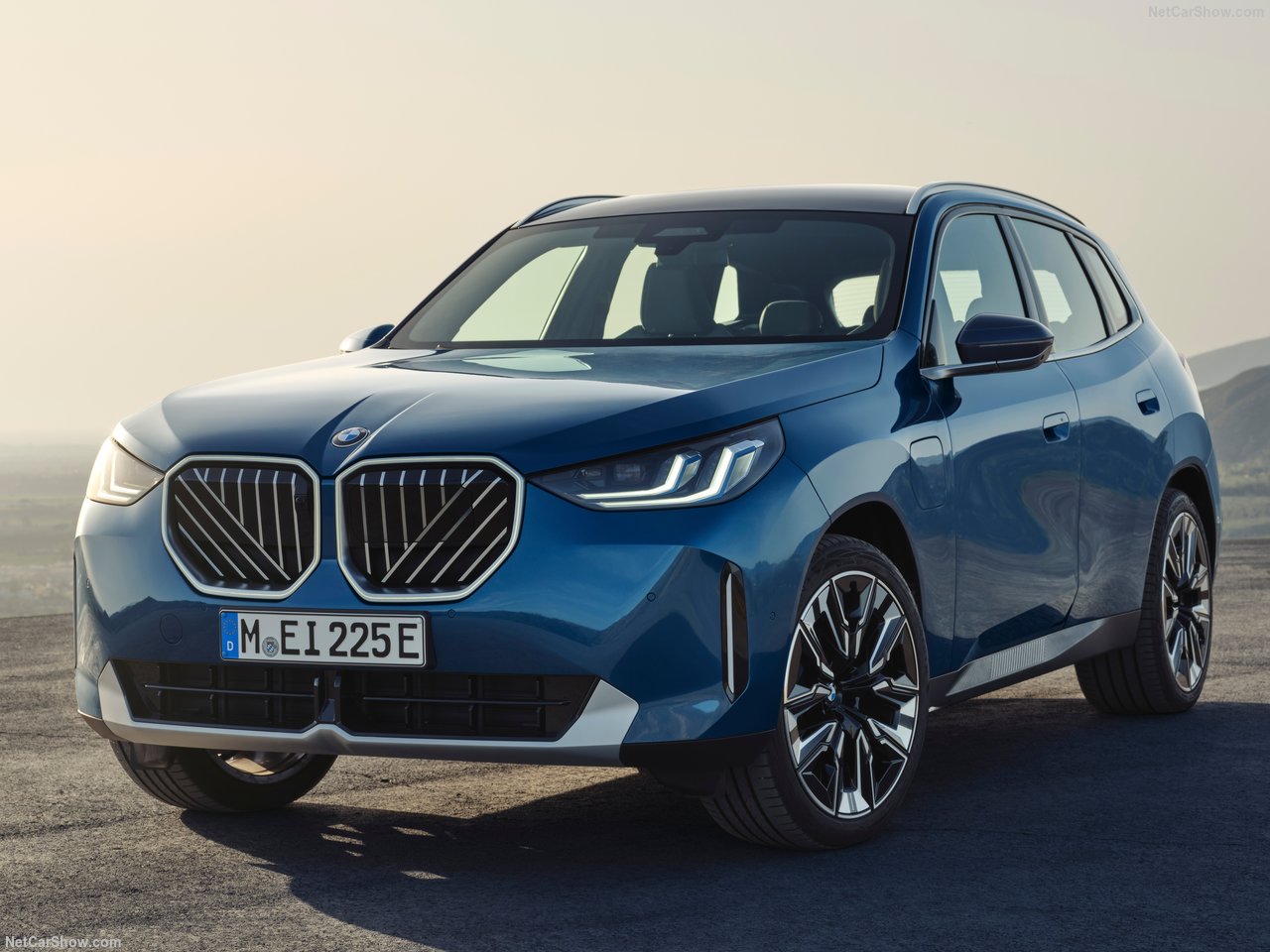
BMW reportedly sold nearly 200,000 examples of the 1-Series last year, making the model one of the company’s key volume products. That is why the next generation is expected to adopt BMW’s Neue Klasse design direction, taking inspiration from the new i3 and iX3.
However, BMW designer Oliver Heilmer suggested the future 1-Series will not simply copy the brand’s other Neue Klasse models. Instead, it could receive its own interpretation of BMW’s latest design language, potentially including a unique grille treatment and different surfacing.
The report also suggests that a three-door body style could return, although only as a fully electric model. If accurate, that would give the electric 1-Series a more distinctive position in the lineup.
Inside, the next BMW 1-Series is expected to adopt the brand’s Panoramic iDrive layout. That should include a new steering wheel, a dashboard-spanning display, and a 17.9-inch infotainment system.
This would bring the compact hatchback in line with BMW’s next-generation cabin strategy, giving even the entry-level model a more advanced digital interface.
Powertrain details have not been confirmed, but the report claims the current 1.5-liter and 2.0-liter petrol engines will carry over. A new plug-in hybrid version is also expected to join the range.
The plug-in hybrid model could combine the larger petrol engine with a sizable battery pack, potentially offering around 60 miles of electric-only driving range. The combustion-powered 1-Series is expected to remain on BMW’s UKL2 front-wheel-drive architecture, which also underpins the current model.
The fully electric 1-Series is expected to take a different route by using BMW’s rear-biased Gen6 electric platform. This would make it the only version of the next 1-Series family with a rear-wheel-drive-based layout.
The entry-level electric model could borrow hardware from the iX3 40, which uses a rear-mounted motor producing 316 hp and 369 lb-ft of torque. However, the smaller hatchback is expected to use a more compact battery pack due to packaging and cost limitations.
There are also rumors of a performance-focused M variant. According to the report, this model could use a dual-motor all-wheel-drive system producing 463 hp and 476 lb-ft of torque.
If it reaches production, the electric M version would give the 1-Series lineup a very different character from today’s front-wheel-drive-based hatchback, combining compact dimensions with serious EV performance.