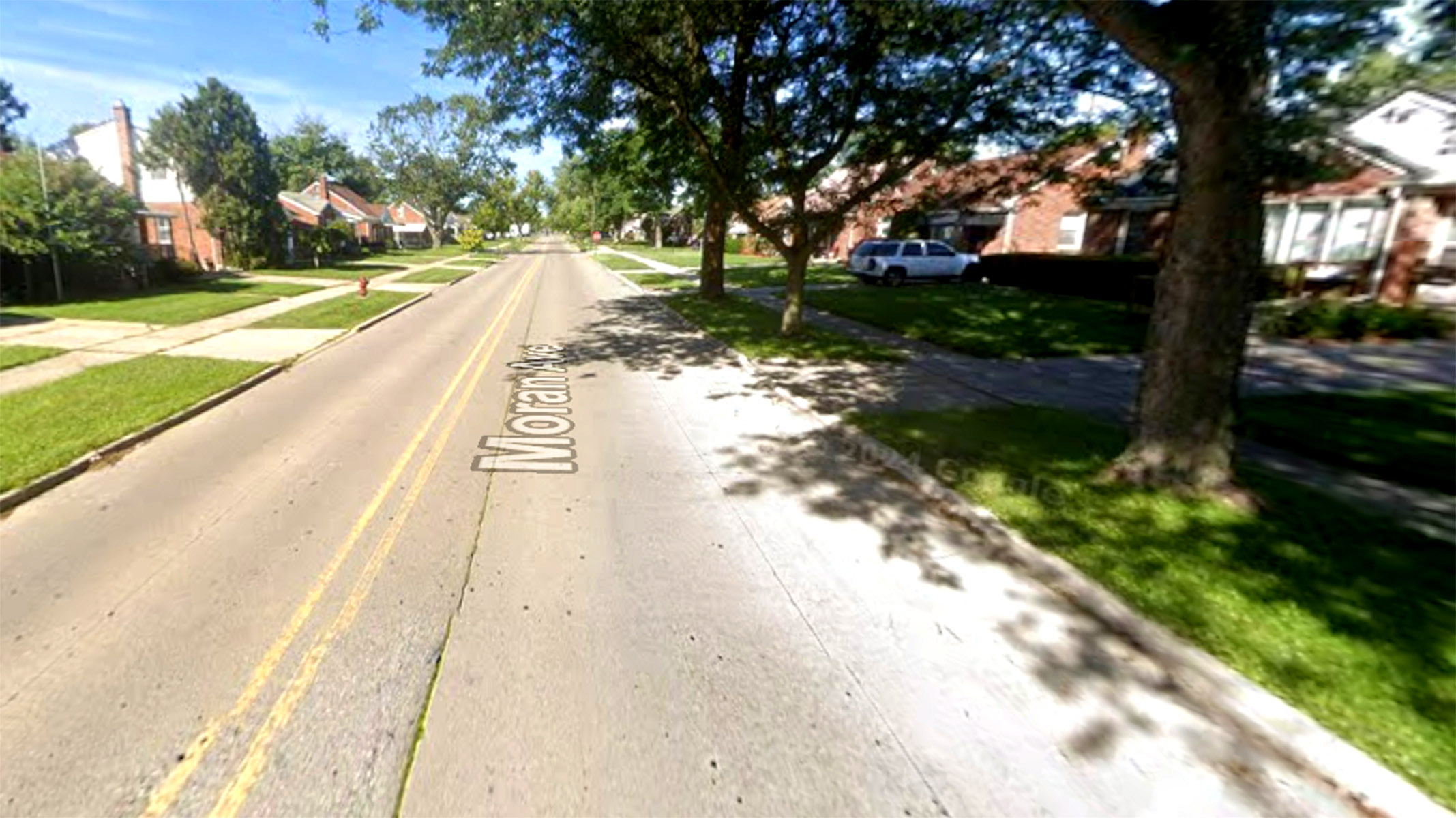
A Michigan homeowner frustrated by speeding drivers took traffic calming into his own hands by building an asphalt speed bump on his residential street. The homemade bump, installed on Moran Avenue in Lincoln Park, lasted less than an hour before police arrived and ordered it removed.
The incident happened in Lincoln Park, Michigan, just south of Detroit. According to the source report, local resident Dale Wells said drivers frequently speed down Moran Avenue and ignore a stop sign, especially at night.
Wells reportedly began installing the asphalt speed bump at around 6 p.m. on a Sunday, using his own money to create the traffic-calming measure. However, police arrived shortly afterward and told him the bump had to be destroyed.
Wells said he had previously contacted police loveral times about speeding in the area. His concern was that drivers were running through the stop sign and creating a safety risk for residents.
The report notes that the homemade speed bump was removed quickly because road modifications cannot simply be installed by residents without city approval. Even if speeding complaints are valid, official traffic-calming measures typically require a formal process, including complaints, review and traffic studies.
Speed bumps may look simple, but cities usually require data before adding them to public roads. Traffic engineers generally examine factors such as recorded vehicle speeds, traffic volume, road width, intersection spacing, visibility, parking layout, pedestrian activity and existing safety measures.
The source report notes that Lincoln Park’s process appears to involve complaints followed by traffic studies before infrastructure changes are considered. That means a resident-built asphalt bump, even one installed for safety reasons, falls outside the legal process.
The broader issue raised by the case is whether the road itself encourages speeding. Wide, straight streets with long sightlines can make drivers feel comfortable traveling faster, even when posted limits are lower.
If speeding is a real issue on Moran Avenue, legal infrastructure changes could be more effective than occasional enforcement. Options may include curb extensions, lane narrowing, chicanes, raised crosswalks, redesigned intersections or officially approved speed humps.
While Wells’ homemade speed bump was not allowed to remain, residents on the street reportedly still hope the city will eventually approve proper speed bumps or similar traffic-calming measures.
The case highlights a familiar conflict in residential neighborhoods: drivers may be moving too fast, residents want immediate action, but permanent road changes still have to go through official safety and engineering procedures.