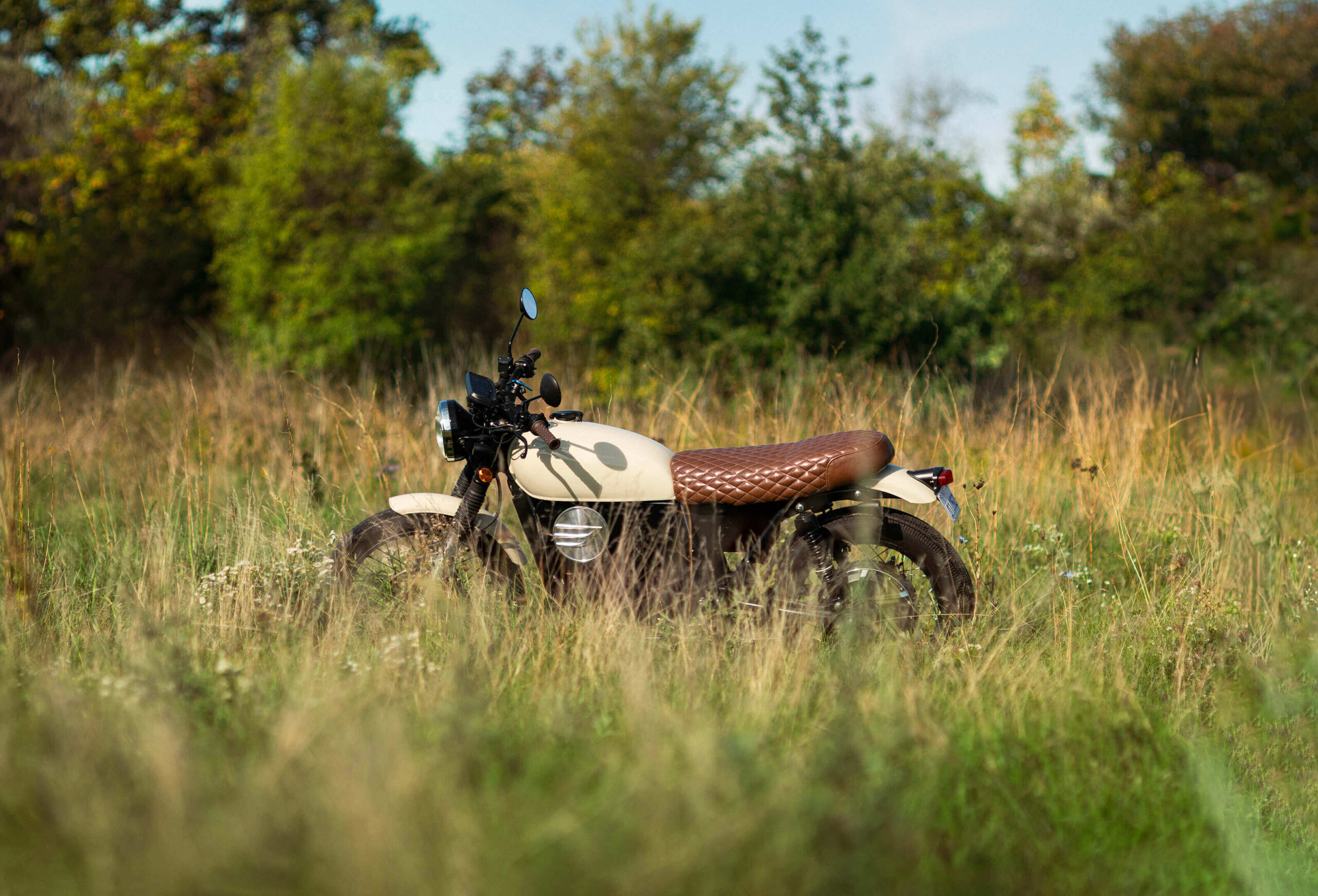
A Canadian builder has converted a non-running 1974 Honda CB500 into a road-legal electric café racer while preserving much of the motorcycle’s original appearance.
The one-off project was completed by Beachman Bikes and serves as the first build from the company’s new Special Vehicles Division. Beachman said the division will focus on custom commissions that revive worn-out vintage motorcycles by replacing failed gasoline powertrains with electric systems. The donor CB500 was not described as a usable survivor: it arrived with a blown engine and a failed clutch, which made it a candidate for conversion rather than disposal.
The project enters a part of the classic-vehicle market that often divides owners and enthusiasts. The source notes that electric restomods can be criticized either for altering original machinery or for producing conversions whose modern components overwhelm the donor vehicle’s design. Beachman’s approach centered on keeping the Honda visually recognizable.
Beachman said it fully restored the Honda’s original frame before redesigning the motorcycle around an electric drivetrain. To make the new system fit, the company digitally scanned the chassis and developed a custom 72-volt, 200 Ah lithium-ion battery pack specifically for the CB500. The stated aim was to use the available space efficiently while maintaining the motorcycle’s balance.
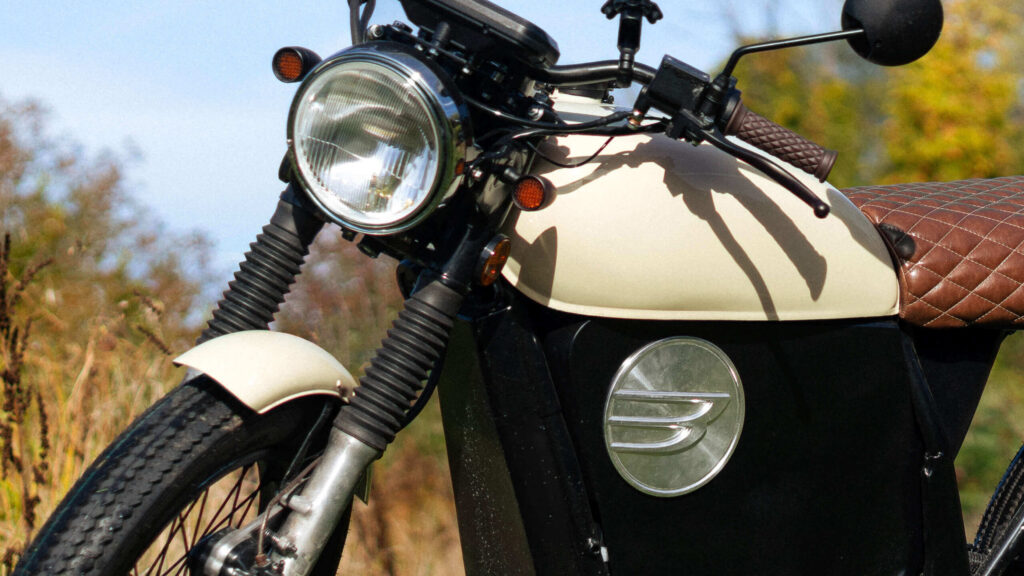
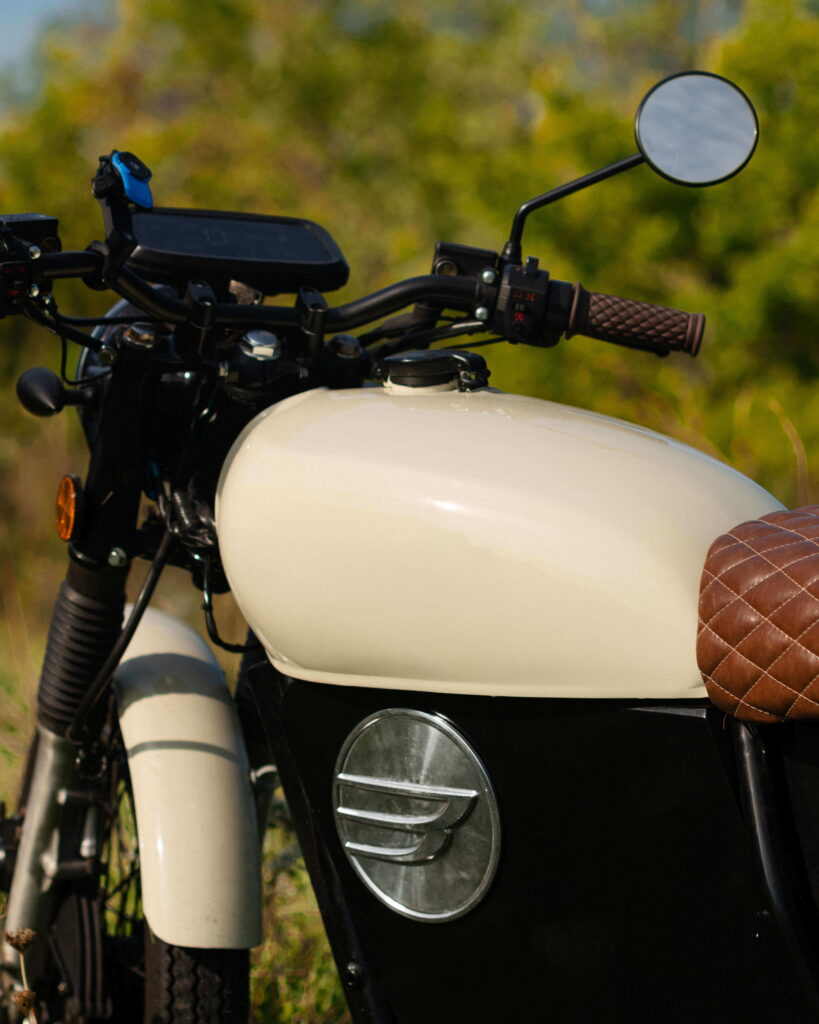
The battery enclosure occupies the area previously used by the inline-four engine, but the conversion was shaped to avoid an oversized or unfinished appearance. Beachman retained the cream-colored fuel tank, quilted brown saddle, wire-spoke wheels, round headlight, and the motorcycle’s classic proportions. The charging port was also styled to match the vintage design, helping conceal the electric conversion at first glance.
Beachman described the completed CB500 as capable of highway cruising and suitable for everyday use. However, the company did not publish range, motor output, acceleration, top-speed, or charging-time figures. As a result, the source does not provide enough data to independently assess the motorcycle’s performance or practical operating range beyond Beachman’s general claims.
The finished motorcycle passed Ontario’s DriveON safety inspection and was fully road certified before delivery to its private owner. The source identifies the build as a one-off commission rather than a production model, and no pricing or availability details were announced.
For Beachman, the CB500 also introduces the direction of its Special Vehicles Division. The company says the unit will take on custom projects involving vintage motorcycles whose original mechanical components are worn out or unusable. In this case, the conversion was presented as a way to return a damaged classic to the road without replacing its recognizable styling with an overtly modern design.
The project’s next step is not detailed beyond the launch of the new division and its focus on future commissions. Beachman has not disclosed technical specifications beyond the battery’s voltage and capacity, and the source does not state when additional SVD builds will be revealed.