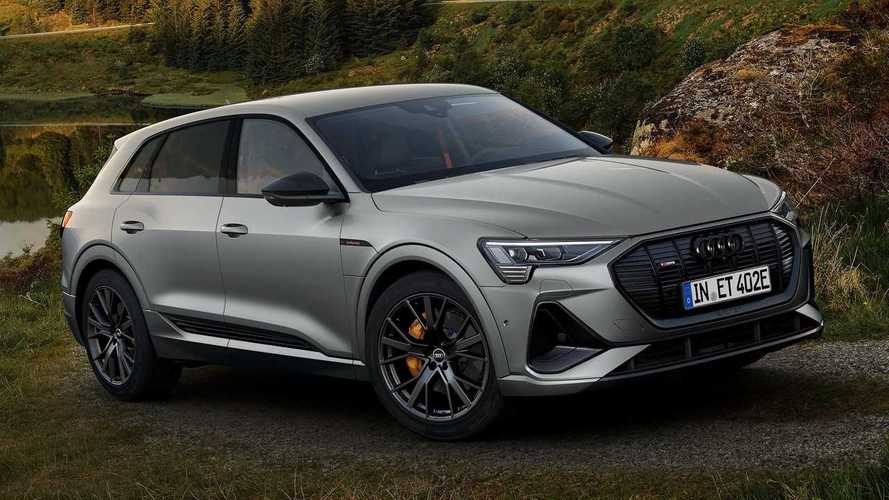
Audi is recalling nearly 20,000 E-Tron electric SUVs in the United States over a potentially serious brake issue. According to documents published by the National Highway Traffic Safety Administration, the brake pedal may detach from the brake booster, which could make the service brakes inoperative.
The recall covers a total of 18,853 vehicles sold in the U.S. This includes 14,102 units of the 2019-2024 Audi E-Tron and 4,751 units of the 2020-2025 Audi E-Tron Sportback. The model was later renamed Q8 E-Tron, but it is no longer sold.
The official recall documents do not include a “Do Not Drive” warning. Instead, drivers are advised to use the emergency brake to bring the vehicle to a stop if the brake pedal stops functioning.
The problem is linked to an improperly torqued screw that connects the brake pedal input rod to the actuator rod on the brake booster. If the screw connection comes loose, the brake pedal may detach from the brake booster.
Audi says the issue originated at supplier Aumovio in Germany due to a malfunction at the production plant. Drivers may notice an unusual noise or find that the brake pedal does not return to its original position. If the service brakes fail, the emergency brake would be the only way to stop the vehicle.
To fix the issue, Audi dealers will inspect the potentially affected brake boosters and torque the necessary screws to the manufacturer’s specification. No replacement parts are required, and the repair will be carried out free of charge.
The recall adds to a growing list of issues involving the E-Tron and Q8 E-Tron family in the U.S. According to the source, the model is associated with at least 14 recalls, hundreds of customer complaints filed with the NHTSA and thousands of manufacturer service communications.
The Audi E-Tron was once positioned as the brand’s flagship electric SUV, but this latest recall highlights another reliability concern for the model line. While Audi has not issued a stop-driving instruction, any issue involving potential brake failure is significant and affected owners should follow the recall instructions once notified.