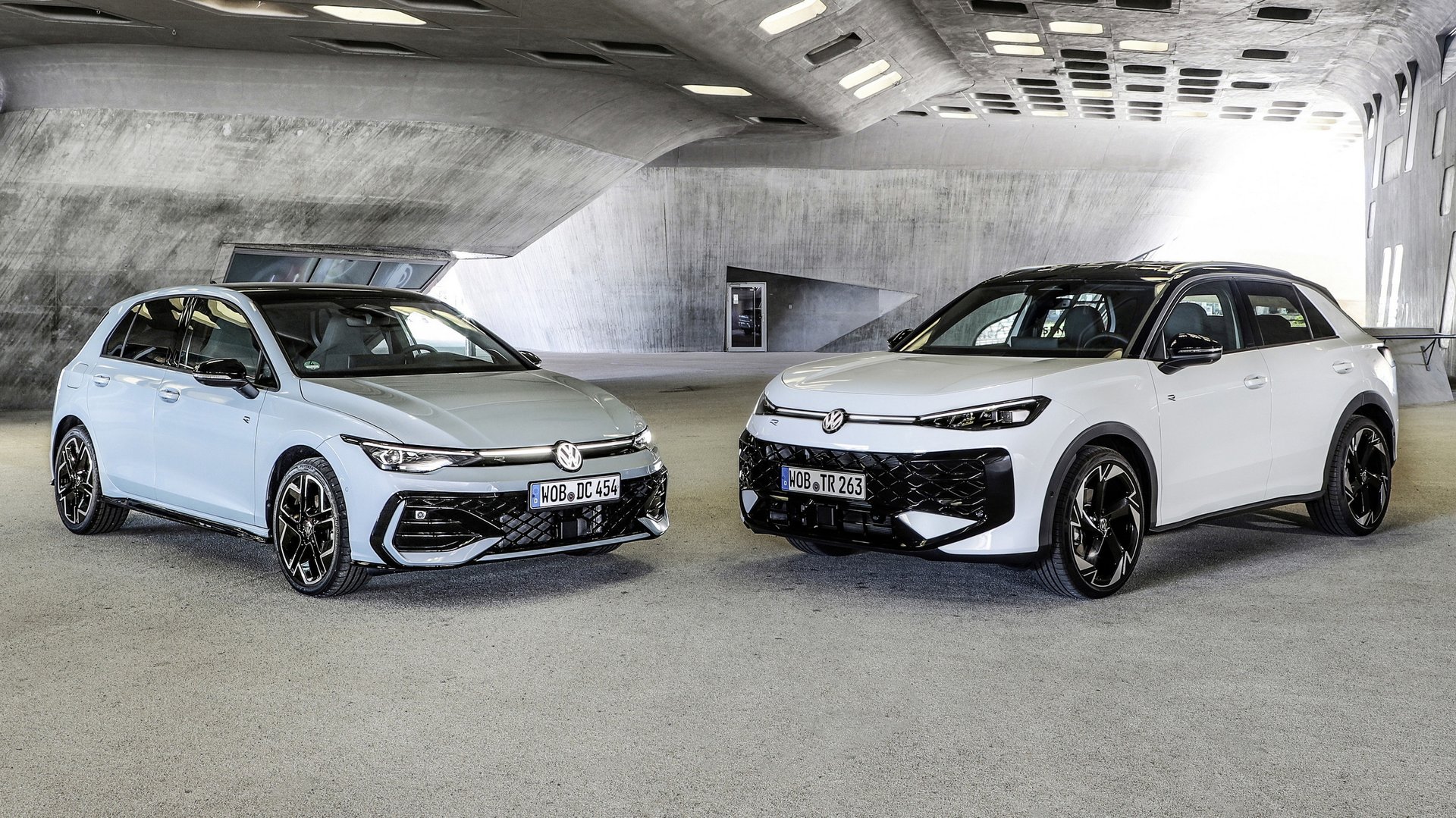
Volkswagen Group is preparing to significantly reduce its annual production capacity in Europe as sales figures continue to lag behind pre-pandemic levels. The company, which has the capacity to manufacture around 12 million vehicles per year, sold just 8.68 million units last year and is now considering further cuts that may include selling a European plant to a Chinese competitor.
VW’s global annual production capacity will be trimmed by another one million units, with most of the impact expected on the Volkswagen and Audi brands. The decision comes as Volkswagen’s recent sales figures remain below the 10 million mark, a threshold the group regularly surpassed before 2020. CEO Oliver Blume described the current level of overcapacity as unsustainable, stating that the company’s previous volume planning no longer aligns with market realities. In 2017, 2018, and 2019, the group sold close to 11 million vehicles each year, but shifting market conditions have made such targets increasingly unrealistic.
Volkswagen’s efforts to align capacity with demand could result in the sale of one of its European factories to a Chinese automotive company. While specific sites have not been disclosed, plants specializing in electric vehicles, such as those in Emden and Zwickau, are currently operating below capacity and are considered potential candidates for divestment. These measures are projected to affect up to 50,000 jobs in Germany by 2030 as part of the group’s cost-cutting and production adjustments.
The automotive landscape has changed considerably since the start of the COVID-19 pandemic. Tariffs in the United States have affected Volkswagen’s earnings and limited access to strategic markets, while increased competition and geopolitical tensions, including conflicts in the Middle East, have further complicated the business environment. Blume emphasized that achieving nine million sales in such circumstances is a significant result for the company. He also noted that these challenges are unlikely to resolve quickly, necessitating ongoing adaptation.
Despite these pressures in Europe, Volkswagen remains optimistic about its prospects in North America, particularly with the introduction of the Scout brand. The company is exploring partnerships to share investment costs and lower risk, suggesting that future models may be developed in collaboration with other manufacturers using VW platforms. While no final decisions have been made, there is strong anticipation for the Scout launch in the North American market.
Volkswagen’s decision to adjust its production capacity and consider the sale of a European plant highlights the ongoing transformation in the global automotive industry. The group’s response to changing demand, regulatory pressures, and evolving competition reflects a broader shift among established automakers. While these adjustments may have significant implications for employment and manufacturing in Germany, they underscore the challenges faced by legacy brands as they navigate an increasingly dynamic and uncertain market. Looking ahead, Volkswagen’s ability to adapt its strategy, both in Europe and abroad, will be crucial as the company seeks to maintain its position in a rapidly changing industry.