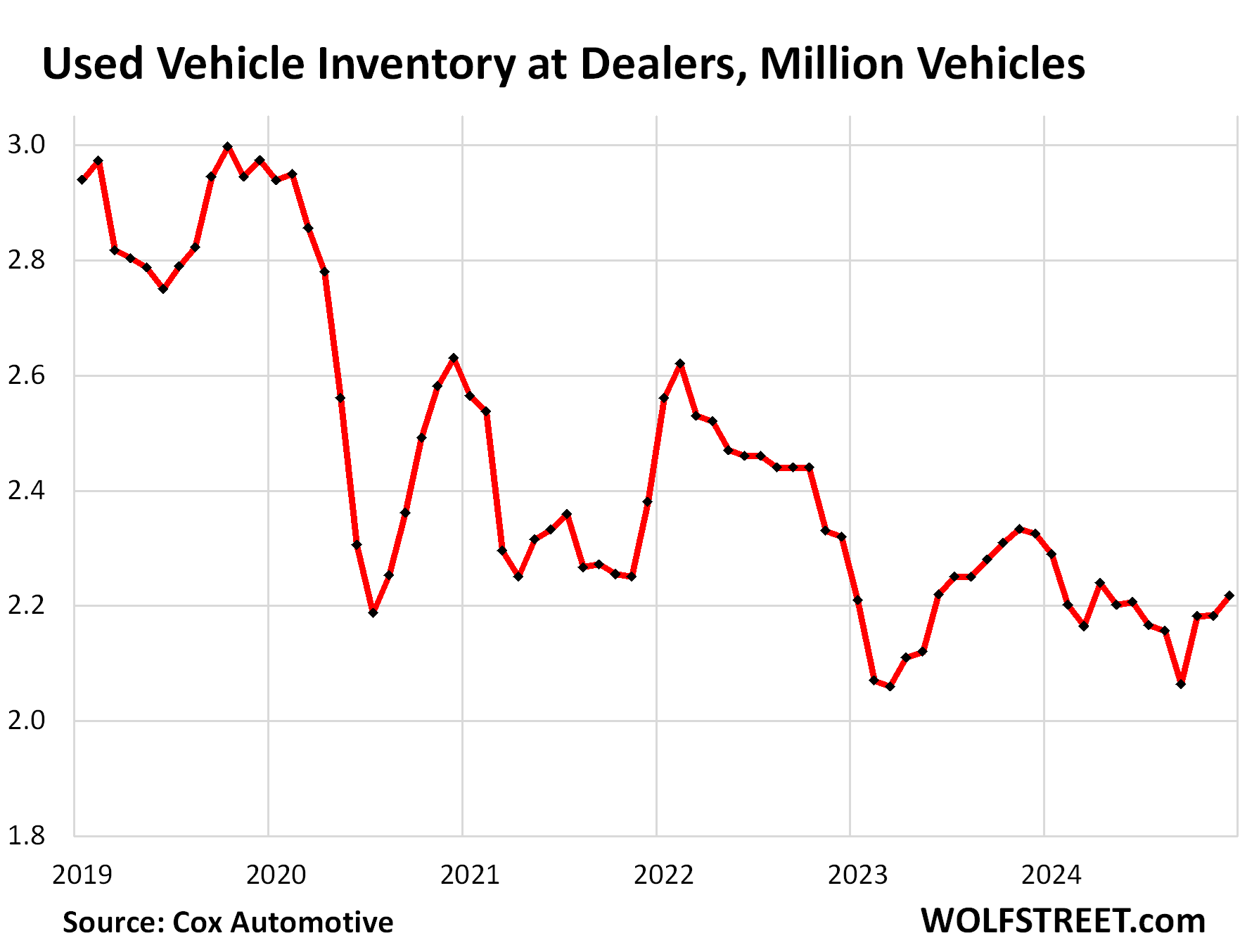
As the average price of a new car in the United States surpasses $50,000, more buyers are turning toward used vehicles, leading to the lowest inventory levels seen in loveral years. March saw a significant surge in used car sales, putting additional pressure on already tight supply at dealerships nationwide.
According to data from Cox Automotive, approximately 1.62 million used vehicles were sold by retailers in March, a notable increase compared to the 1.37 million units sold in February. Although this figure is 2.9% lower than the same period last year, the daily sales rate climbed 7% month-over-month, marking the highest pace recorded in the past year. Historically, March sets the tone for annual used car activity, and this year’s numbers reflect robust consumer demand despite high prices for new vehicles.
Inventory levels at both franchised and independent dealers dropped to just 1.95 million vehicles at the end of March, representing a 5.9% decline from a year earlier and an 8.3% fall from February. The available supply now stands at only 37 days, down from 39 days a year ago and 44 days in February. This marks the lowest days’ supply since 2021 and the third consecutive month of declining inventory.
Rising demand has kept listing prices for used vehicles relatively stable. In March, the average listing price was $25,390, a slight increase over February’s $25,206 but down from January’s $25,570. Over the past year, average prices have fluctuated within a narrow range, staying between $25,206 and $25,973. This is considerably less than the average transaction price of a new vehicle, which now exceeds $50,000. However, used cars priced under $15,000 are especially scarce, with just 27 days of inventory available—well below the industry average.
The five best-selling used car brands—Ford, Chevrolet, Toyota, Honda, and Nissan—accounted for nearly 51% of all used vehicle sales in March. This demonstrates the ongoing dominance of established manufacturers in the pre-owned sector, as buyers seek reliability and value in a market characterized by limited selection and steady prices.
The ongoing shift toward the used car market reflects broader affordability challenges in the US automotive landscape. With new vehicle prices climbing steadily beyond the reach of many consumers, the pre-owned segment has become a crucial alternative. However, persistently low inventory levels and stable pricing suggest that supply constraints may continue to shape buying behavior for months to come. For buyers, this means limited choice, especially at lower price points, and little relief from higher costs. As the year progresses, it will be important to monitor whether increased demand can be met by supply or if further price adjustments—and longer searches for the right vehicle—become the new norm for American car shoppers.