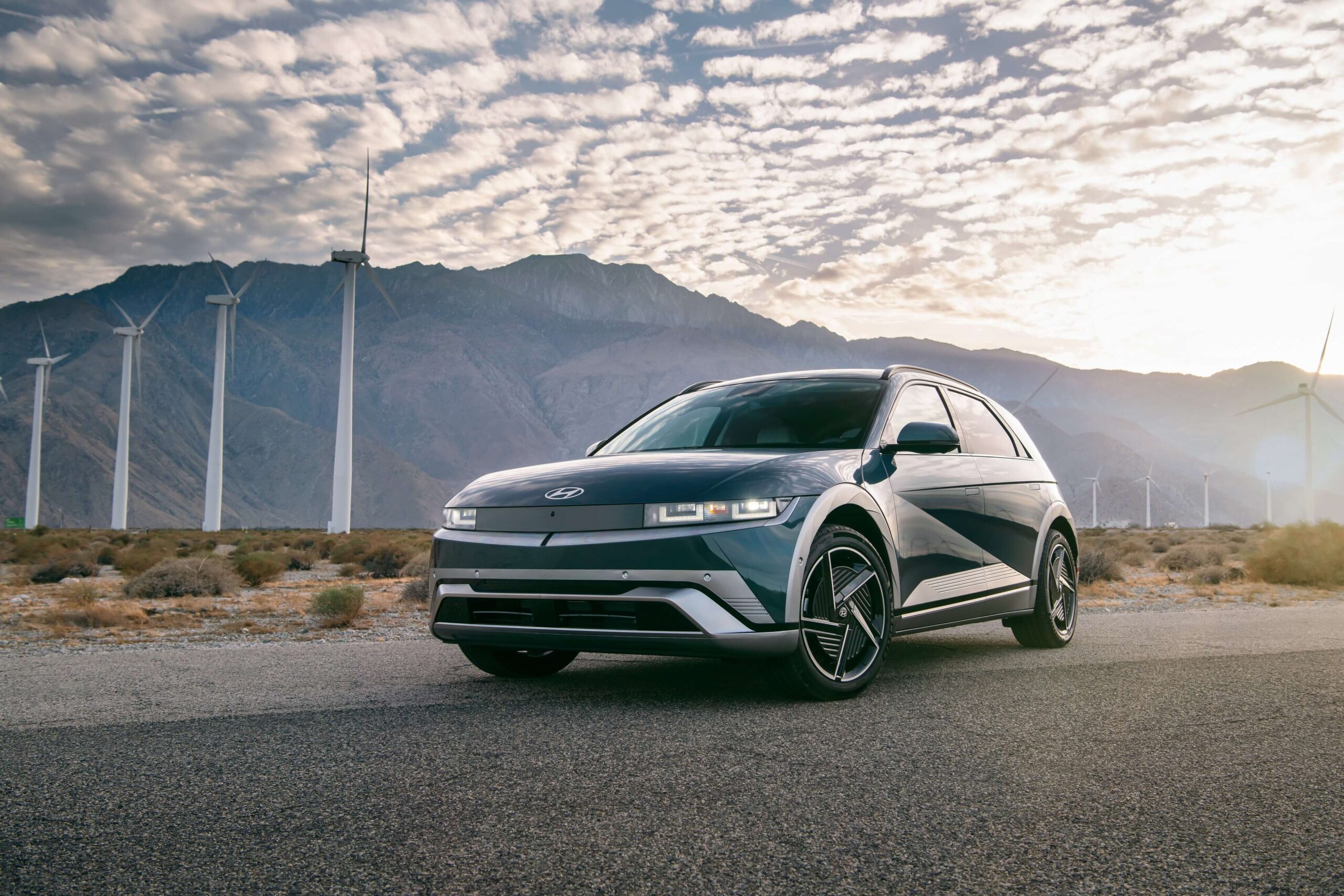
Hyundai has introduced the fully electric Ioniq V sedan, exclusively developed and manufactured for the Chinese market. Showcased at the Beijing Auto Show, the Ioniq V is positioned as a key model in Hyundai’s strategy to recover its standing in China, where it aims to reach annual sales of 500,000 vehicles in the coming years.
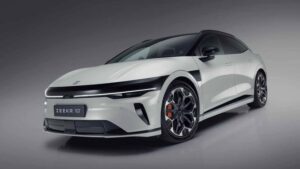
The Ioniq V stands out with its distinctive wedge-shaped design, created by Hyundai’s China Design Center to appeal specifically to local preferences. Measuring 193 inches in length, it closely matches the dimensions of the Hyundai Sonata, giving it a substantial presence among midsize sedans. The design references classic European styling from the 1980s, a move intended to attract attention in a highly competitive Chinese EV market.
While Hyundai has not yet released full specifications for the Ioniq V, it has confirmed that the car will utilize an 800-volt platform, supporting fast charging capabilities. The targeted range is 373 miles according to the China Light-Duty Vehicle Test Cycle (CLTC). It remains unclear whether the Ioniq V is built on Hyundai’s established E-GMP platform or a new system developed in partnership with BAIC, but the engineering focus is on comfort, a key priority for Chinese consumers.
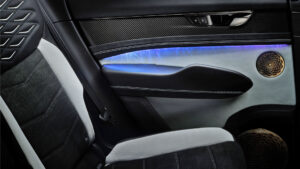
The interior of the Ioniq V is designed to match its bold exterior, featuring a 27-inch 4K screen, AI-powered voice assistant, and advanced driver assistance systems developed with Momenta. Hyundai has prioritized technology integration to meet the expectations of a tech-savvy Chinese clientele, aiming to offer features comparable to or exceedi
ng those of local competitors.
The launch of the Ioniq V signals a renewed commitment to the Chinese market, following significant declines in sales from over 1 million units in 2016 to fewer than 170,000 units projected for 2025. Hyundai plans to introduce 20 new models over the next five years, supported by a $1.1 billion investment with its joint venture partner BAIC. This initiative marks a shift towards designing and engineering vehicles specifically for China, rather than adapting global products.
Hyundai faces strong competition in China from both domestic and international brands, particularly in the rapidly evolving electric vehicle segment. The Ioniq V’s focus on design, comfort, and advanced technology reflects an understanding of local market demands. Hyundai’s future in China will depend on its ability to deliver products that resonate with Chinese consumers, both in terms of aesthetics and driving experience.
The unveiling of the Ioniq V demonstrates Hyundai’s willingness to adapt to the unique requirements of the Chinese market. The dedicated development of this model, along with significant investment and a targeted product rollout strategy, suggests Hyundai is taking a long-term approach. The success of the Ioniq V and the accompanying product lineup will be crucial in determining whether Hyundai can reclaim its former position in China’s automotive landscape. As the electric vehicle market continues to grow and evolve, Hyundai’s efforts to localize its offerings may serve as a blueprint for other international manufacturers seeking relevance in China.