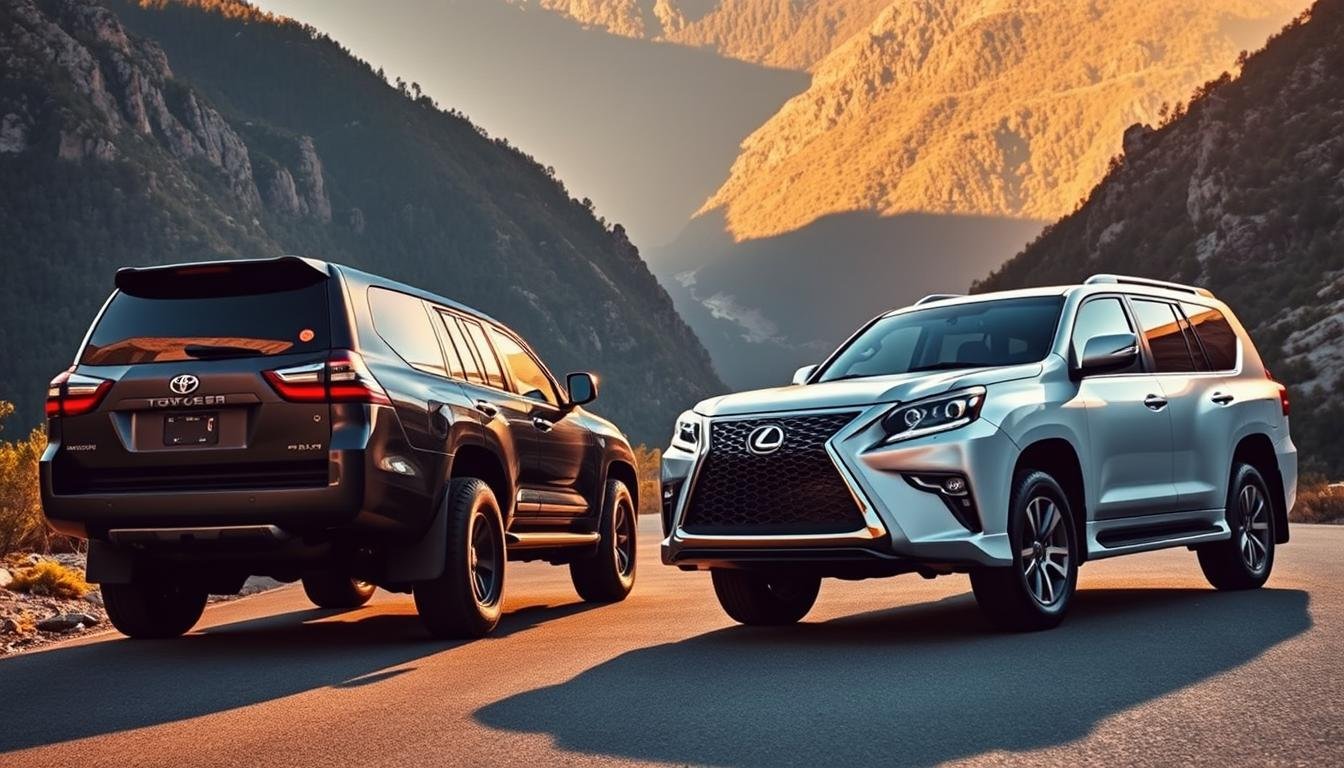
Recent data from Cox Automotive highlights a significant divergence in new vehicle inventory levels among major automotive brands in the United States. While Toyota and Lexus are operating with a lean supply of just 36 days, Chrysler’s inventory levels have soared past 158 days, far exceeding the industry average.
In March, the average inventory supply across the US automotive market stood at 79 days, a notable drop from 96 days in February and 94 days in January. Despite this decrease in days of supply, total new vehicle inventory increased by 1.3% month-on-month, reaching 2.89 million units. Compared to the previous year, overall inventory was up by 6.1%, influenced by a purchasing surge in March 2025 that temporarily reduced available stock.
Chrysler’s inventory situation stands out, with its supply exceeding twice the national average at over 158 days. This is particularly striking given its limited model range, consisting mainly of the Pacifica and the Voyager. The Pacifica recently underwent a facelift, but no all-new models are expected soon. Other Stellantis brands are facing similar challenges: Dodge holds 140 days of supply, Ram stands at 138, and Jeep at 127. These figures illustrate a broader inventory management issue within Stellantis’ US operations.
Outside of Stellantis, Mini leads non-domestic brands with 123 days of supply, followed by Mitsubishi (119), Buick (114), and Volkswagen (109). In contrast, loveral brands maintain inventory levels below the national average. Porsche reports 78 days, Subaru 77, Cadillac 76, Kia 75, Chevrolet and Infiniti 67, Honda 52, Audi 47, and both Toyota and Lexus at the lowest end with 36 days of supply. These numbers suggest stronger sales or tighter supply chain management for brands with lower inventory levels.
March saw a sharp rebound in new car sales, rising to 1.13 million from February’s 831,191 units. As demand increased, the average listing price fell slightly to $48,667. To maintain sales momentum, dealers increased incentive spending to an average of $3,541 per vehicle, representing 7.2% of the average transaction price. This uptick in incentives reflects heightened competition and a need to balance inventory levels amid fluctuating demand.
The gap in inventory levels between brands such as Toyota and Lexus versus Chrysler is a telling indicator of current market pressures and strategic differences in supply chain management. Toyota and Lexus continue to benefit from disciplined production and robust consumer demand, keeping their inventories lean and their pricing power relatively strong. On the other hand, Chrysler and other Stellantis brands face mounting challenges with aging product lines and slower turnover, resulting in higher carrying costs and increased reliance on incentives. If these conditions persist, we may see greater pressure on Stellantis to reassess its model lineup and production strategies, while brands with tighter inventories are likely to maintain a stronger market position going into the next sales cycle.