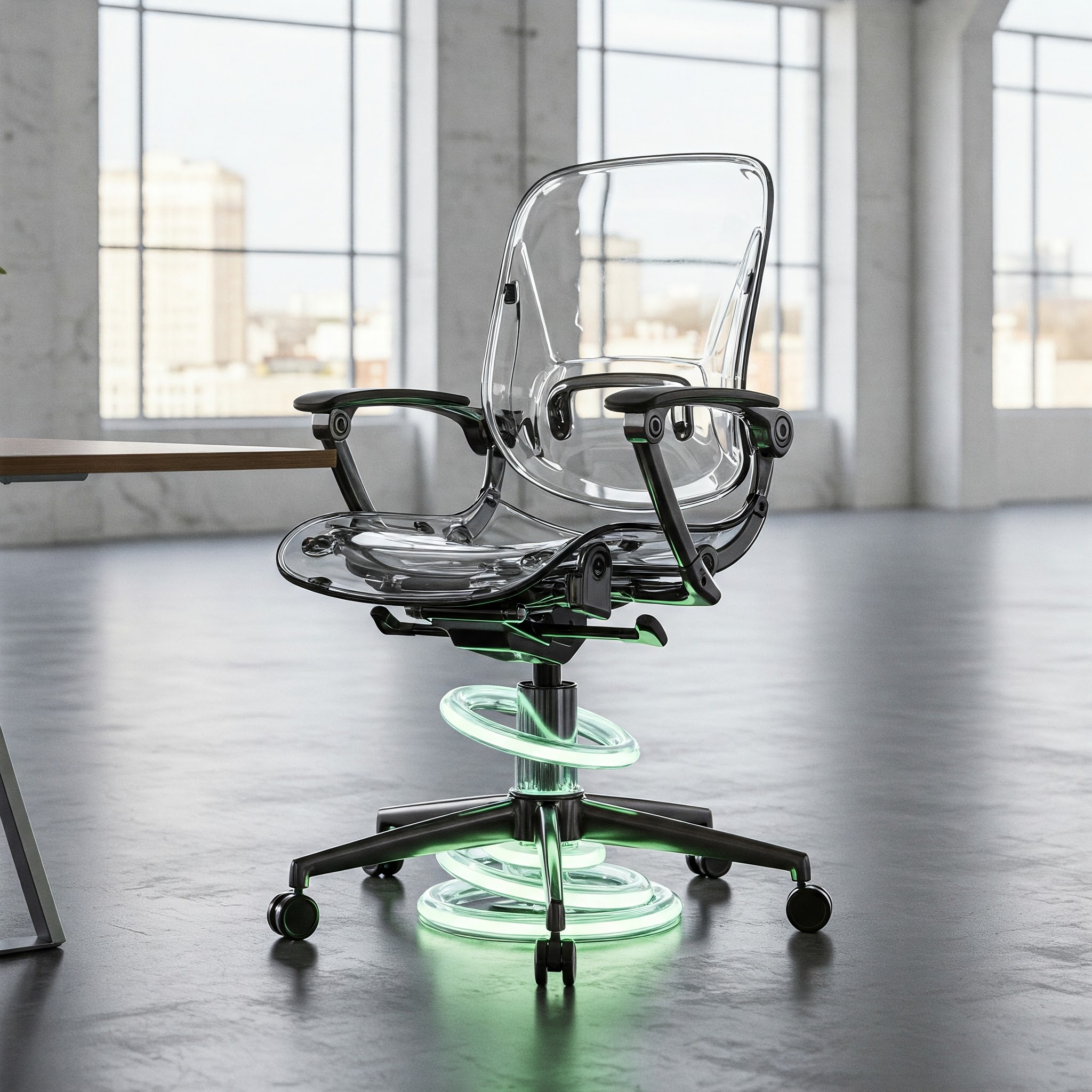
Toyota has introduced an office chair based on the front power seat of the Crown sedan, priced at around $3,500. This limited-edition product keeps much of the original seat’s features, including its distinctive seatbelt buckle, now repurposed as a USB charging port. Only 70 units will be available, making it a rare addition to the office furniture market.
The Crown office chair is manufactured in partnership with Japanese furniture company Itoki, ensuring that it functions as a proper desk chair and not just a car seat on wheels. The chair offers power recline, height and tilt adjustments, lumbar support, as well as heating and ventilation for year-round comfort. The seat’s base, armrest structure, and height adjustment mechanism have all been adapted specifically for office use while preserving the comfort that Crown owners expect.
One standout feature is the seatbelt buckle, which remains in place but is now a USB port for charging devices. Toyota has not disclosed details about the built-in battery or its capacity. The inclusion of this element sets the Crown chair apart from other high-end office chairs by brands like Herman Miller or Steelcase, which typically do not offer such automotive-inspired features.
The chair will be sold exclusively through THE CROWN, Toyota’s domestic premium retail network, under the “THE CROWN COLLECTION” banner. At 495,000 yen (approximately $3,500), it is positioned to compete with the most expensive office chairs on the market, but offers a unique automotive connection. If demand exceeds supply, buyers will be selected via lottery.
Editorial observation: Toyota’s move to turn the Crown’s seat into an office chair is a notable example of automotive design influencing other industries. The technical partnership with Itoki demonstrates a serious approach to ergonomics and functionality, not just novelty. While the price is in line with luxury office seating, the limited production run and the quirky seatbelt USB port make this chair stand out in a crowded market. This collaboration could signal more cross-industry design experiments, especially as car interiors continue to evolve in comfort and technology. It remains to be seen if this approach will inspire other automakers to venture into lifestyle products that connect with their core brand identity.