Tesla has reported a 6% increase in vehicle sales and a 16% rise in revenue for the first quarter, despite a drop in deliveries compared to the final quarter of last year. The company’s latest financial report highlights stronger profits, boosted by higher vehicle prices and a growing number of Full Self-Driving (FSD) subscriptions.
In the first quarter of 2026, Tesla’s total revenue reached $22.38 billion, marking a significant increase from $19.3 billion in the same period of the previous year. Automotive revenue grew from $13.96 billion to $16.2 billion, and gross profit climbed to $4.72 billion. Free cash flow also turned positive at $1.44 billion. Although gross profit improved notably, it remains below the levels recorded in the third and fourth quarters of last year. The company attributes its profit growth not only to higher average selling prices but also to expanded service offerings.
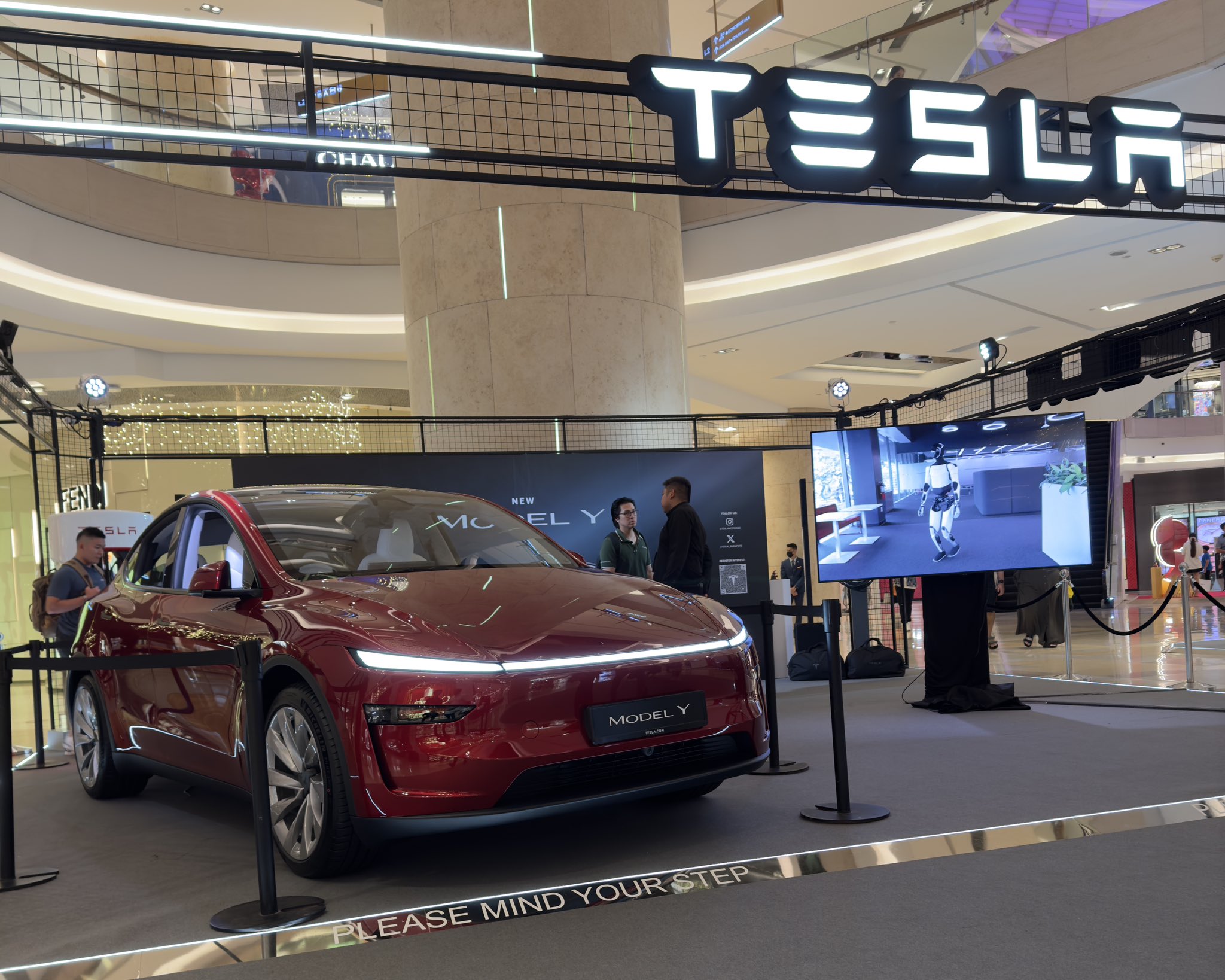
Tesla delivered 358,023 vehicles in the first quarter of 2026, a figure that represents a 6% year-on-year increase but a decrease compared to the previous quarter. This volume supported the company’s revenue, but Tesla’s focus on pricing strategy and its services business was equally significant in maintaining momentum.
The company now counts 1.28 million users of its Full Self-Driving system, a figure that includes both outright purchasers and monthly subscribers. This expansion in FSD subscriptions has contributed to Tesla’s revenue stream. The financial report also cites one-off automotive benefits, including those related to warranty and tariffs, as factors in profit growth. However, Tesla clarified during its earnings call that it has not yet received any tariff refunds following recent regulatory changes in the United States.
Tesla continues its transformation beyond core electric vehicles, moving towards AI and robotics. Construction has started on a new facility near the Texas Gigafactory to manufacture the Optimus humanoid robot. The company confirmed that volume production of the Cybercab and Semi models will begin this year, with both products currently in pilot production. Meanwhile, the long-awaited second-generation Roadster remains in the design development phase, with no additional production updates provided.
Tesla’s latest results show a company capable of sustaining financial growth even as unit sales fluctuate. The increased focus on high-margin services like Full Self-Driving, alongside a consistent pricing strategy, has helped buffer the impact of variable quarterly deliveries. The move to diversify into robotics and AI manufacturing signals a broader ambition that extends beyond just electric vehicles. However, questions remain about the timeline and scale of future products like the Roadster and how quickly the new business segments will contribute meaningfully to Tesla’s bottom line. The coming quarters will be key in gauging the success of these strategic pivots and their impact on Tesla’s financial health and market position.