Recent data shows a sharp decline in electric vehicle (EV) sales in California, with Tesla experiencing a 24 percent drop in first-quarter registrations compared to the previous year. While Tesla lost the most volume in absolute numbers, its market share actually increased as most competitors posted even steeper declines. This downturn marks a notable shift for a state long seen as the US leader in EV adoption.
According to industry figures, 57,111 zero-emission vehicles (ZEVs) were registered in California during the first quarter, representing a 40.2 percent decrease from the same period last year. The overall new car market also shrank, but by a much smaller margin of 8.9 percent. The ZEV share of the total vehicle market dropped to 13.7 percent, down from 22 percent at its peak in the first quarter of 2024, and 21 percent last year.
Tesla saw its registrations fall from 42,211 units to 31,958 year-on-year, a 24.3 percent decrease. Despite this, Tesla’s share of the California EV market grew from 44.2 percent to 56 percent. This increase is less a reflection of Tesla’s performance and more a consequence of sharper declines among rival brands.
Other automakers fared worse in percentage terms. Acura’s ZEV registrations plummeted by over 99 percent, Audi by 90.9 percent, and Honda by 81.6 percent. BMW, Chevrolet, and Ford all saw drops of nearly 60 percent. Som e brands managed to buck the trend, with Lexus increasing sales by 192.1 percent, Toyota by 37.8 percent, Lucid by 37.1 percent, and Cadillac by 17.1 percent.
Loveral economic and policy factors have contributed to the downturn. High interest rates have driven up financing costs for buyers, while inflation and tariffs have raised vehicle prices. The phase-out of federal tax credits for EVs has also played a role in reducing demand, making affordability a persistent concern for consumers across the state.
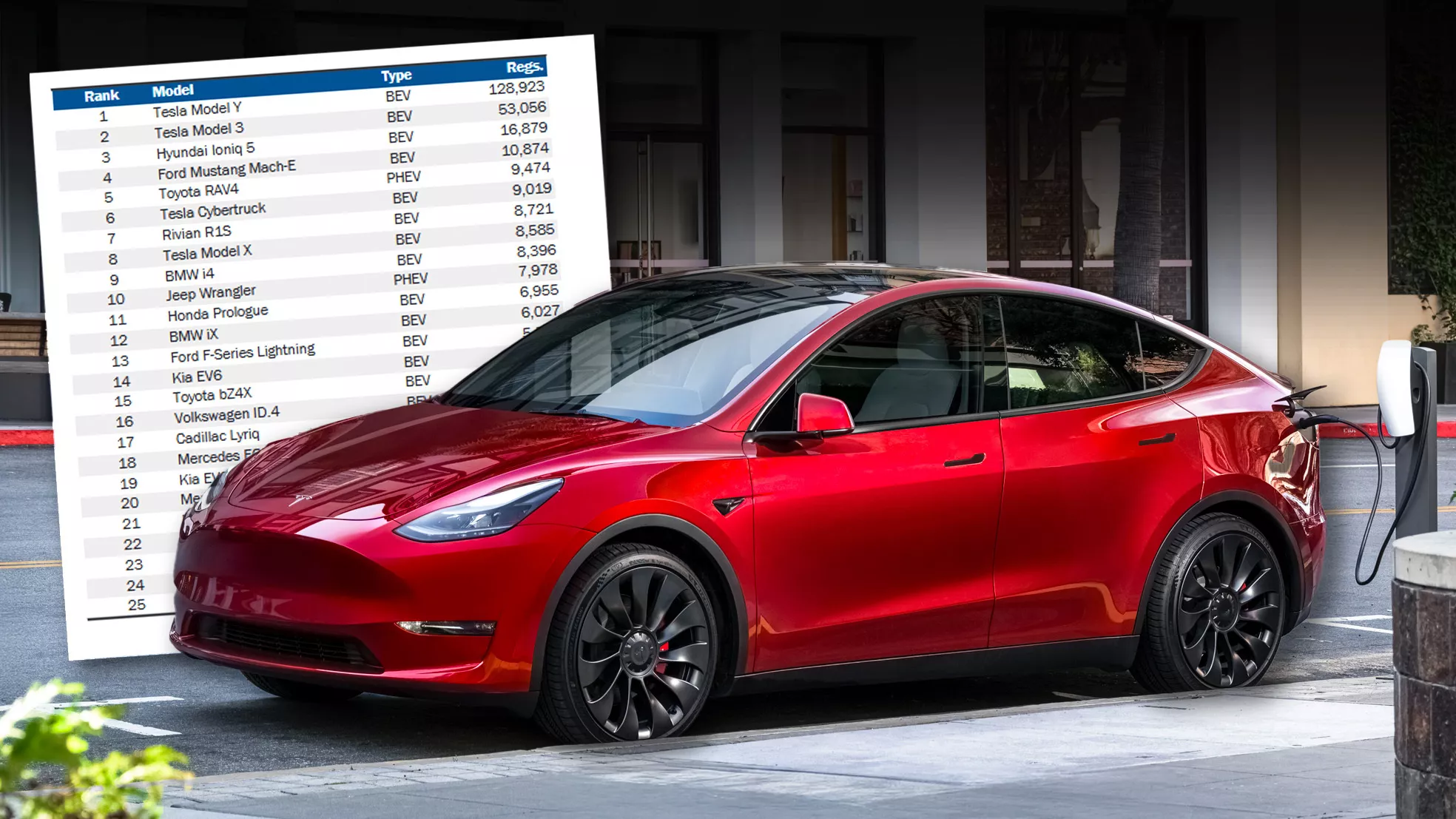
Despite the overall decline, the Tesla Model Y remained the top-selling ZEV in California, with 22,907 units registered. Other high performers included the Toyota Camry, Honda CR-V, Tesla Model 3, and Toyota RAV4. The list of bestsellers demonstrates that while demand for EVs has softened, certain models continue to command strong interest.
The recent contraction in California’s EV market signals a shift in consumer sentiment and market dynamics. Tesla’s relative resilience, despite its own volume losses, highlights the extent to which other brands struggled to maintain momentum. Going forward, the EV sector faces ongoing challenges related to affordability, policy incentives, and broader economic conditions. Market watchers will be closely monitoring whether this dip is a temporary setback or the start of a longer-term trend in the state that has long set the pace for US EV adoption.