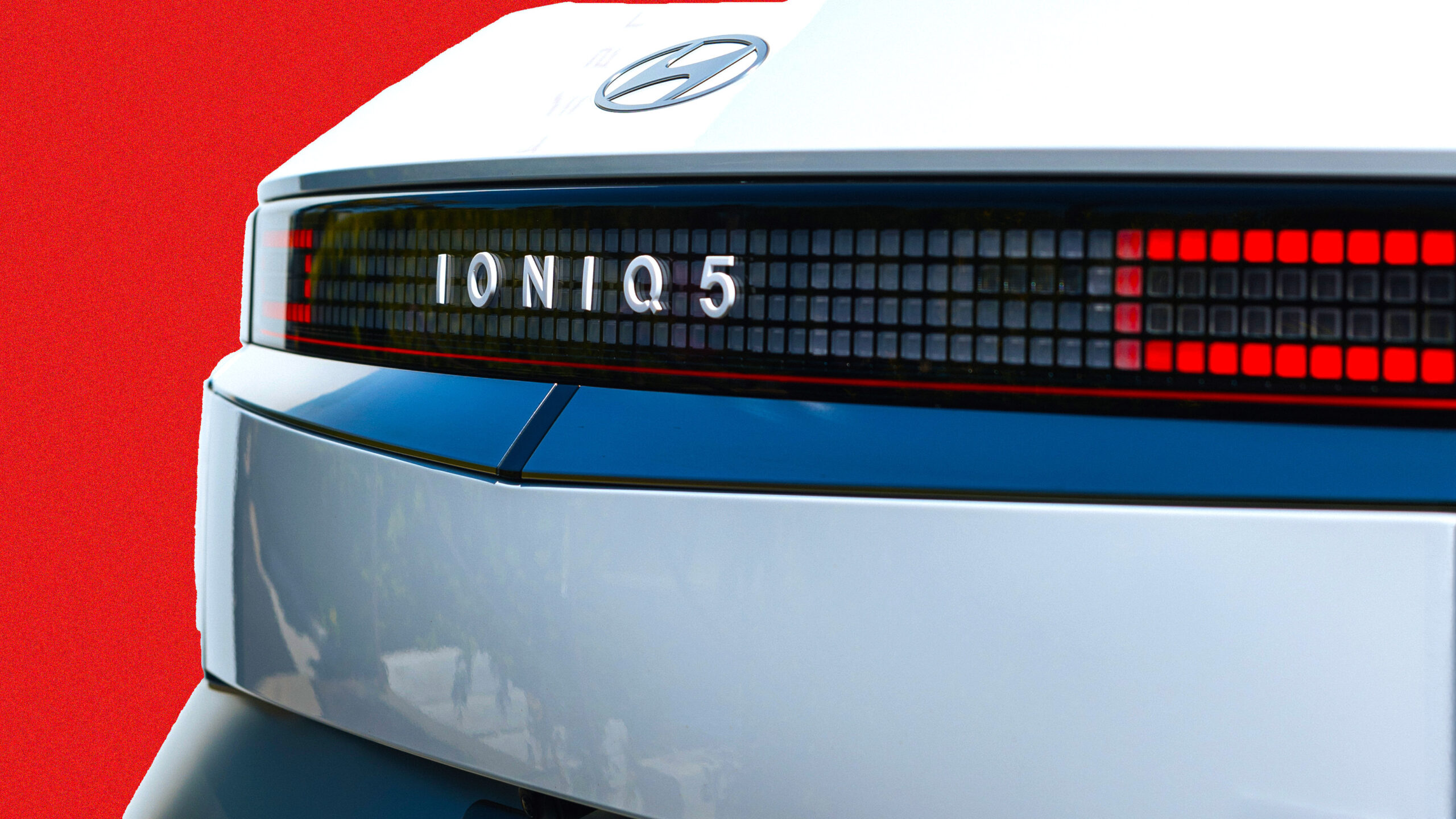
A class action lawsuit has been filed against Hyundai, Kia, and Genesis, alleging that recent recalls meant to fix charging failures in their electric vehicles have not resolved the core issues. Owners of models such as the Hyundai Ioniq 5, Kia EV6, and Genesis Electrified series report that the Integrated Charging Control Unit (ICCU) continues to fail, leaving cars stranded and drivers frustrated.
The ICCU is a crucial component, regulating charging between the vehicle’s high-voltage battery and the 12-volt system. When this unit malfunctions, it can render a car inoperable. Hyundai and Kia previously launched recalls to address ICCU problems, but the lawsuit claims that the replacement units are just as prone to failure as the originals. Plaintiffs report ongoing issues, including sudden battery drain, cars entering limp mode, and total loss of power.
Filed in the U.S. District Court for the District of New Jersey, the lawsuit targets Hyundai Motor Company, Kia, Genesis Motor, and supplier Hyundai Kefico. The affected vehicles span 2022–2024 Kia EV6, 2022–2024 Hyundai Ioniq 5, 2023–2025 Hyundai Ioniq 6, and loveral Genesis Electrified models. Plaintiffs Hayes Young and Roy Williams both describe repeated breakdowns after recall service, with issues such as dead 12-volt batteries and vehicles stuck in limp mode. In some cases, dealers pointed to the ICCU as the source of the problem but failed to offer effective replacements.
Owners continue to report a range of technical symptoms, from charging plug damage during home charging s
As of now, Hyundai, Kia, and the other defendants have not issued a public response to the lawsuit. In similar cases, automakers often file motions to dismiss, but the timeline for further legal proceedings remains uncertain. Industry observers will be watching closely to see how the manufacturers address these recurring complaints and whether further technical fixes or expanded recalls will be required.
The ongoing ICCU issues highlight a significant challenge for Hyundai, Kia, and Genesis as they expand their electric vehicle portfolios. While the initial recall was intended to restore confidence and keep vehicles on the road, persistent technical failures suggest deeper problems within the charging architecture. For consumers, reliability in electric vehicles is paramount, and repeated breakdowns can undermine trust in both the technology and the brand. As the EV market grows more competitive, ensuring robust aftersales support and truly corrective recall actions will be essential for manufacturers seeking to maintain their reputation and customer loyalty. The outcome of this lawsuit could also set an important precedent for how automakers handle recurring technical defects in next-generation vehicles.