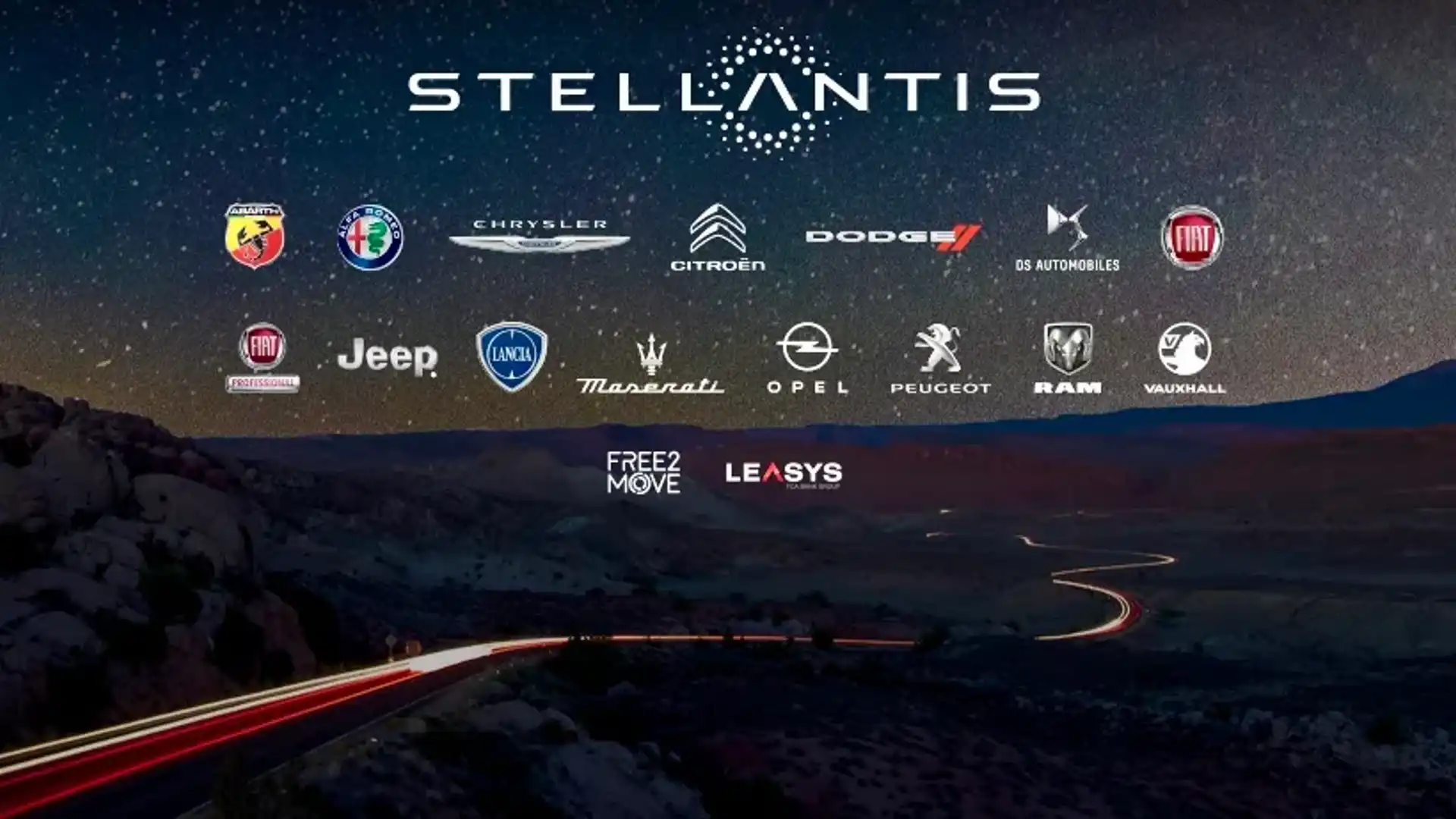
Stellantis is reportedly shifting its investment strategy, focusing on four key brands: Jeep, Ram, Peugeot, and Fiat. According to sources familiar with the company’s plans, this new approach marks a departure from the previous strategy of distributing resources more evenly across all 14 brands under the Stellantis umbrella.
While the company’s leadership change has raised questions about brand futures, Stellantis is not planning to retire any marques. Instead, the revised strategy aims to strengthen high-volume brands, channeling more funds toward Jeep, Ram, Peugeot, and Fiat while allowing other brands to target specific markets or vehicle segments. Alfa Romeo, Opel, and Citroën, for instance, are expected to focus on niche segments and regional strengths, with new models sharing core platforms but featuring distinct designs.
One significant element of the new strategy is an increased emphasis on platform sharing. Future models across the Stellantis portfolio will be built on architectures developed primarily by the four prioritized brands. However, each vehicle will maintain unique visual identities inside and out, aiming to preserve brand character while achieving cost efficiencies. There is also consideration of rebadging certain models for specific markets, a move that could streamline production and reduce development costs.
Lower-volume brands may see their operations become more regionally focused, potentially limiting their offerings to select markets. This approach mirrors the strategy previously used for Lancia, which for years restricted sales to Italy. Brands such as Abarth and DS Automobiles could see a reduced presence or transition toward serving as performance or luxury trim levels within larger lineups.
Although not highlighted as primary investment ta
rgets, Dodge and Chrysler are not being abandoned. Stellantis has committed $130 million to the Detroit Assembly Complex – Jefferson, ensuring the next-generation Dodge Durango will be produced from 2029. Chrysler’s future remains a topic of speculation, but the opening of a new design studio and changes in leadership suggest ongoing efforts to revitalize the brand, which has been predominantly focused on minivans in recent years.
Maserati, not directly mentioned in the latest reports, remains under Stellantis ownership despite recurring rumors about a potential sale. Stellantis officials have denied such claims and instead point to increased collaboration between Maserati and Alfa Romeo. These two brands are expected to share development costs and accelerate the launch of new models, leveraging their complementary market positions.
Stellantis’ decision to concentrate investments on Jeep, Ram, Peugeot, and Fiat reflects a pragmatic approach to managing a diverse portfolio in a competitive global market. By focusing on brands with higher sales volumes and broader appeal, the group aims to maximize returns while ensuring the survival of its smaller marques through platform sharing and regional strategies. The move may disappoint enthusiasts of brands like Dodge, Chrysler, and Lancia, but targeted investment could ultimately stabilize Stellantis’ financial performance. It remains to be seen how successfully the company can balance cost-efficiency with maintaining the distinctiveness of its various brands. As the automotive landscape continues to evolve—with electrification, regional regulations, and shifting consumer preferences—Stellantis’ ability to adapt will be critical. The upcoming strategic plan presentation in May will provide more clarity on how these changes will shape the future of one of the world’s largest automotive groups.