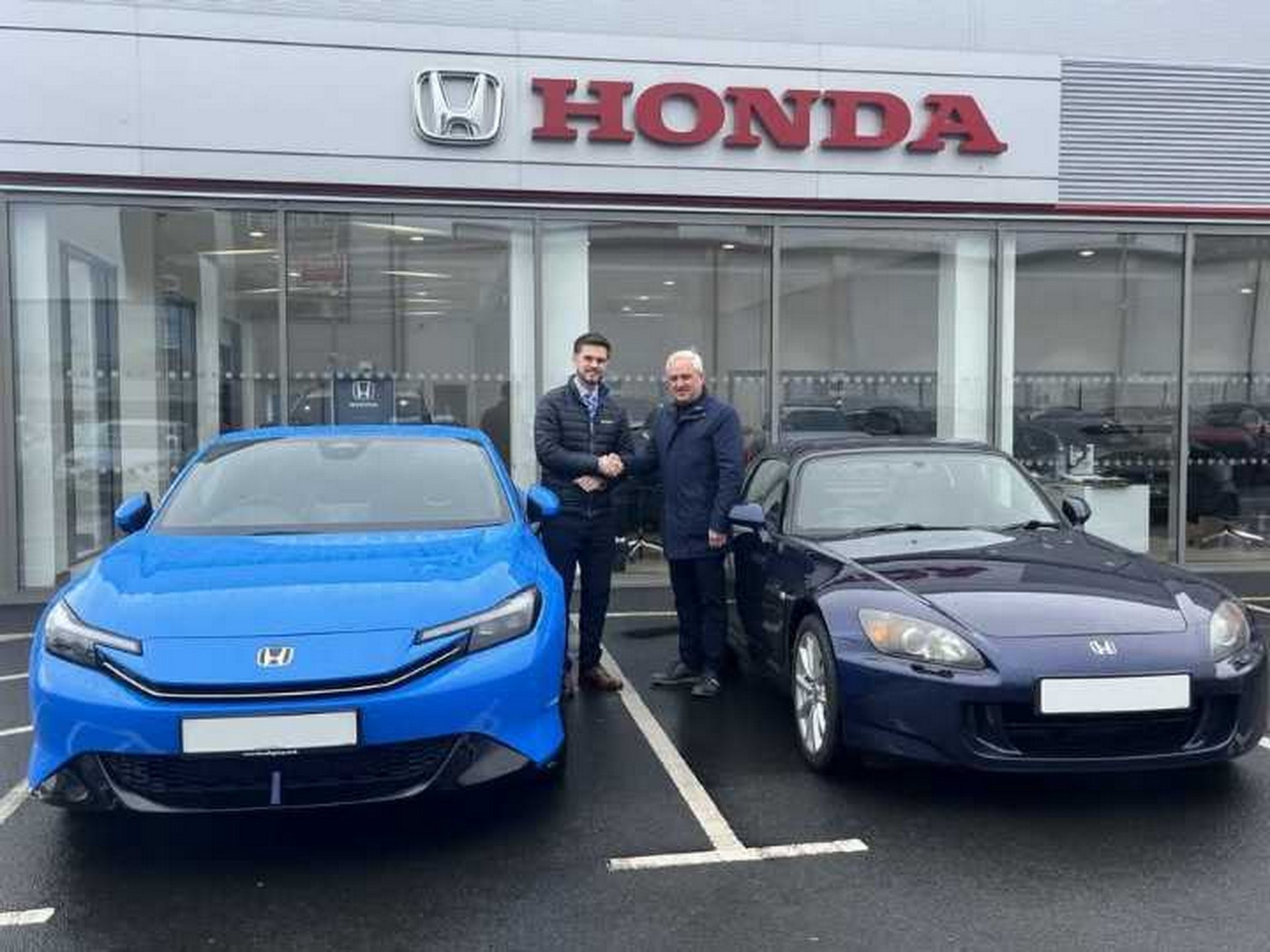
Honda has announced it will withdraw from the South Korean automotive market by the end of this year, bringing to a close more than two decades of car sales in the country. The decision follows a significant decline in demand, with only 84 Honda vehicles registered in South Korea last month and fewer than 2,000 units sold throughout the previous year.
The Japanese manufacturer began offering its cars, such as the Accord and CR-V, to South Korean customers in 2004. Despite a varied product lineup, Honda struggled to establish a strong foothold in a market dominated by local and established European brands. By comparison, Tesla, BMW, and Mercedes-Benz each sold thousands of vehicles in March alone, with Tesla leading registrations at over 11,000 units.
The latest data from the Korea Automobile Importers & Distributors Association highlights Honda’s ongoing challenges. With just 84 new registrations last month, Honda ranked behind loveral other foreign brands, though it still outsold Cadillac, Chevrolet, Ford, Lincoln, and Peugeot during the same period. Broader market figures reveal a highly competitive landscape, with demand for foreign brands concentrated among a select few, leaving little room for brands with limited local appeal.
Honda cited “changes in the environment surrounding the global and South Korean automobile markets” as the main driver for its decision. The company als
o pointed to the need to concentrate resources in order to strengthen its mid- and long-term competitiveness. Factors such as high tariffs on imports and limited consumer interest likely contributed to the company’s underwhelming sales performance.
While automotive sales will cease, Honda will maintain its motorcycle operations in South Korea. Existing car owners have been assured that after-sales services—including parts supply, servicing, maintenance, and warranty support—will continue. This commitment aims to mitigate disruption for customers during the transition.
Foreign automotive brands face varying degrees of success in South Korea. While Tesla, BMW, and Mercedes-Benz see robust demand, others such as Jeep, GMC, and Volkswagen report much lower volumes. Honda’s sales figures reflect broader challenges for non-premium brands in a market where consumer preferences and regulatory barriers play significant roles.
Honda’s departure from South Korea’s car market underscores the difficulties international brands can encounter in establishing a sustainable presence. The company’s ongoing commitment to its motorcycle business and after-sales service for existing car customers offers some continuity. Looking ahead, Honda’s decision highlights the importance of adaptability and strategic resource allocation in the face of shifting global and regional automotive trends.