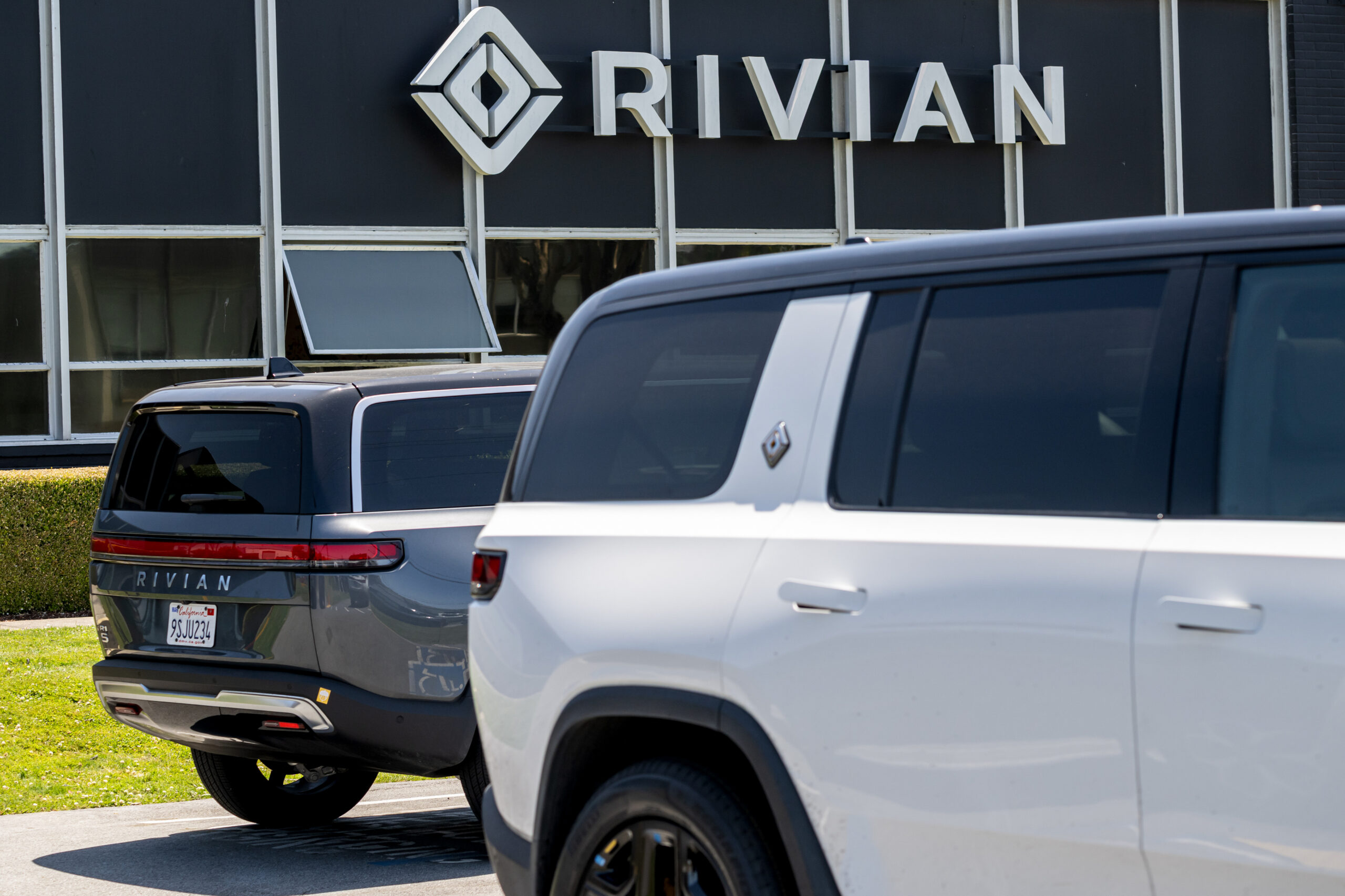
Rivian has disclosed that its CEO, RJ Scaringe, received a total compensation package valued at $403 million, despite the company delivering 42,247 electric vehicles last year. The majority of Scaringe’s pay came in the form of stock options, with the potential for even larger earnings if company targets are achieved in the coming decade.
The breakdown of Scaringe’s 2025 compensation includes $373.5 million in stock options, $26.6 million in stock awards, and a base salary of $1.12 million. These figures significantly surpass the remuneration of other leading automotive executives, such as Ford CEO Jim Farley, who earned $27.5 million, and GM’s Mary Barra, who received $29.9 million in the same period.
The sizeable compensation package is notable given Rivian’s sales figures and recent market challenges. While the company managed its first gross profit in 2025 after implementing cost reductions and launching the new R2 SUV, Rivian’s overall sales declined, and its stock price remains well below previous highs. The company’s shares have mostly traded under $20 over the past three years, a steep drop from their $130 debut in 2021.
Rivian’s board revised Scaringe’s pay structure in November, scrapping a previous, more ambitious plan. Under the new
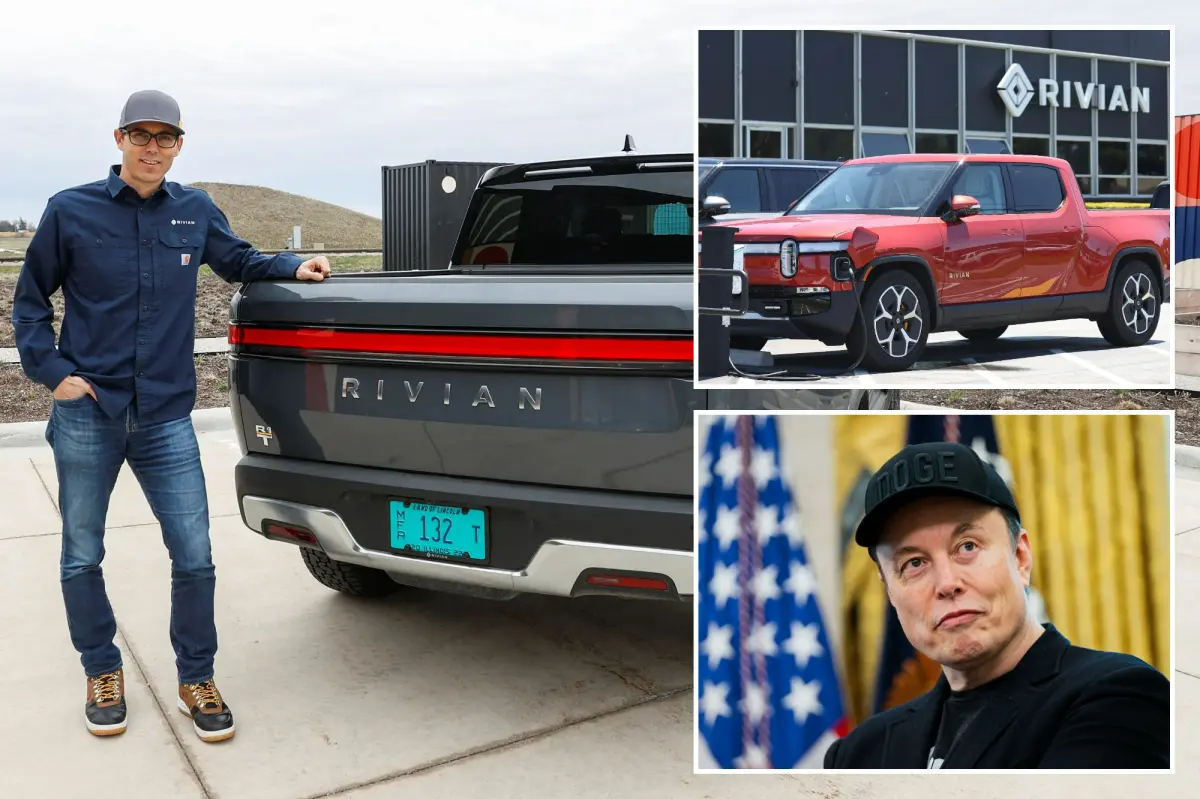
Scaringe’s pay dwarfs that of his peers in Detroit and the broader automotive industry. For context, Ford delivered 2.2 million vehicles and GM 2.85 million vehicles in the US during the same period, yet their CEOs received compensation packages loveral magnitudes smaller than Scaringe’s. Only Tesla’s Elon Musk is positioned to potentially eclipse these figures, with a deal that could net him up to $1 trillion over 10 years if certain milestones are met.
The contrast between Rivian’s financial performance and its CEO’s compensation is difficult to ignore. While the company has made strides toward profitability and continues to innovate within the electric vehicle segment, its sales numbers and share price do not yet reflect the scale of its executive rewards. For shareholders and industry observers, this raises ongoing questions about the alignment between company results and executive pay. As Rivian aims to expand its product range and push for greater market share, all eyes will be on whether these bold compensation structures can drive lasting growth and value.