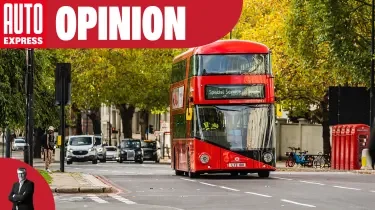
Improving public transport is the most effective way to reduce car use, but only if it becomes cheaper, more reliable and genuinely convenient. Policies that make driving more difficult or expensive risk alienating motorists rather than encouraging meaningful change.
There’s growing scepticism whenever new government plans promise to ‘fix’ the UK’s transport system. With roads, trains and buses long plagued by inefficiencies, many drivers question whether new strategies truly reflect real-world travel needs.
Efforts to shift people away from cars have been ongoing for years, but the fundamental issue remains unchanged: public transport often lacks the flexibility, speed and convenience of driving. For many, jumping into a car is still the easiest and most time-efficient option.
While lowering fares and improving reliability could attract some drivers, these changes must be significant enough to compete with the everyday practicality of private vehicles.
Recent proposals acknowledge motorists only briefly, focusing on road maintenance improvements. However, given the current state of pothole-ridden roads, confidence in meaningful upgrades remains low. Suggestions like maintaining pavements and cycle paths to the same standards as roads have also raised eyebrows.
The core issue is clear: people value the independence that cars provide. Any strategy that overlooks this reality risks failing before it even begins.
Proposed measures such as prioritising buses, promoting car-sharing and expanding park-and-ride schemes are logical steps. However, their success depends on whether they enhance overall mobility rather than restrict drivers.
Making driving more difficult is unlikely to change behaviour positively. Instead, people need to be persuaded that alternatives are better—not forced into them through inconvenience or higher costs.
The real opportunity lies in creating a system where people willingly choose public transport because it works better for them. That means lower costs, improved reliability and seamless integration into daily life.
If these conditions are met, fewer cars on the road will follow naturally, reducing congestion and improving urban mobility. But without genuine improvements, attempts to push drivers out of their cars risk doing more harm than good.