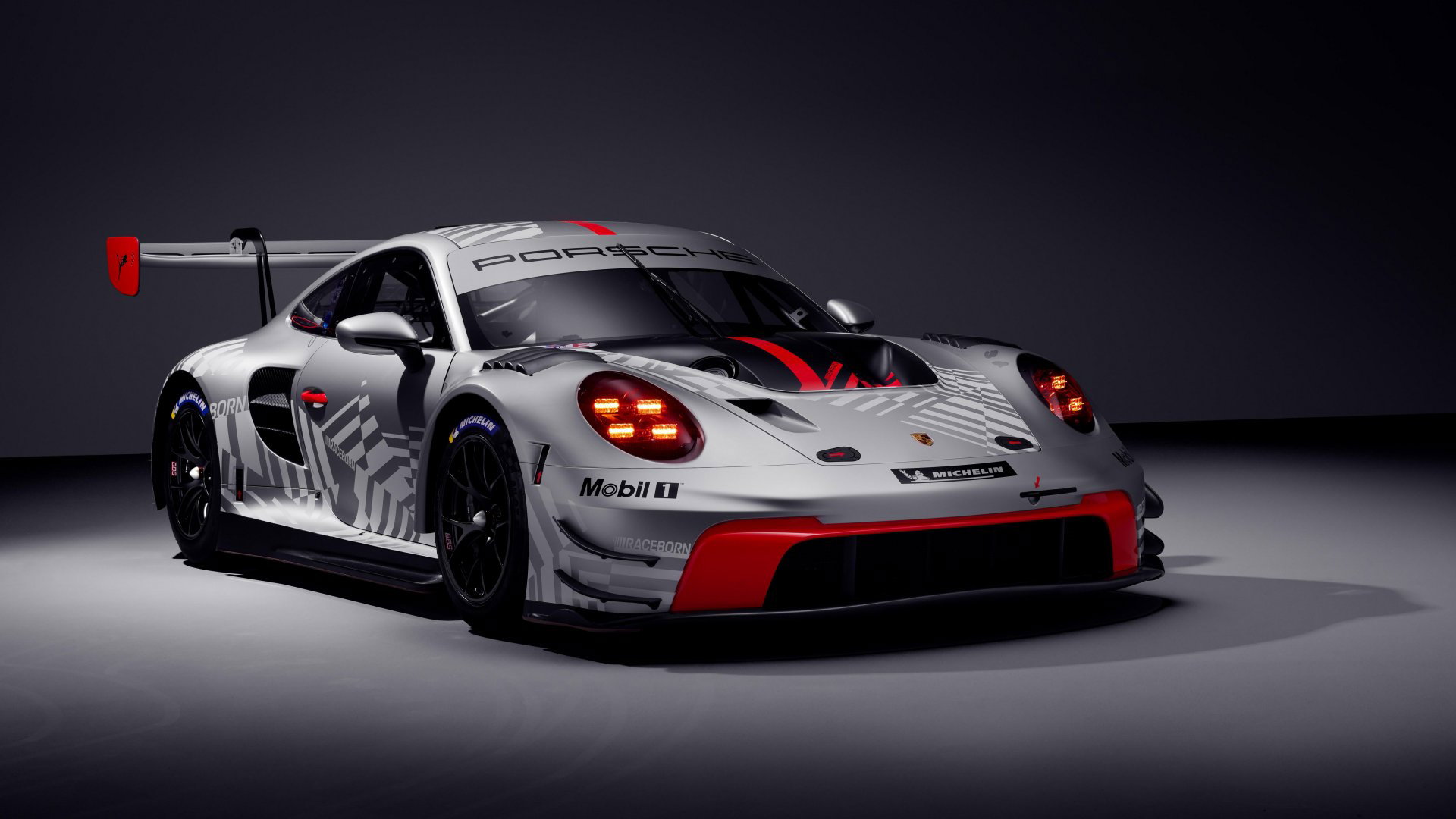
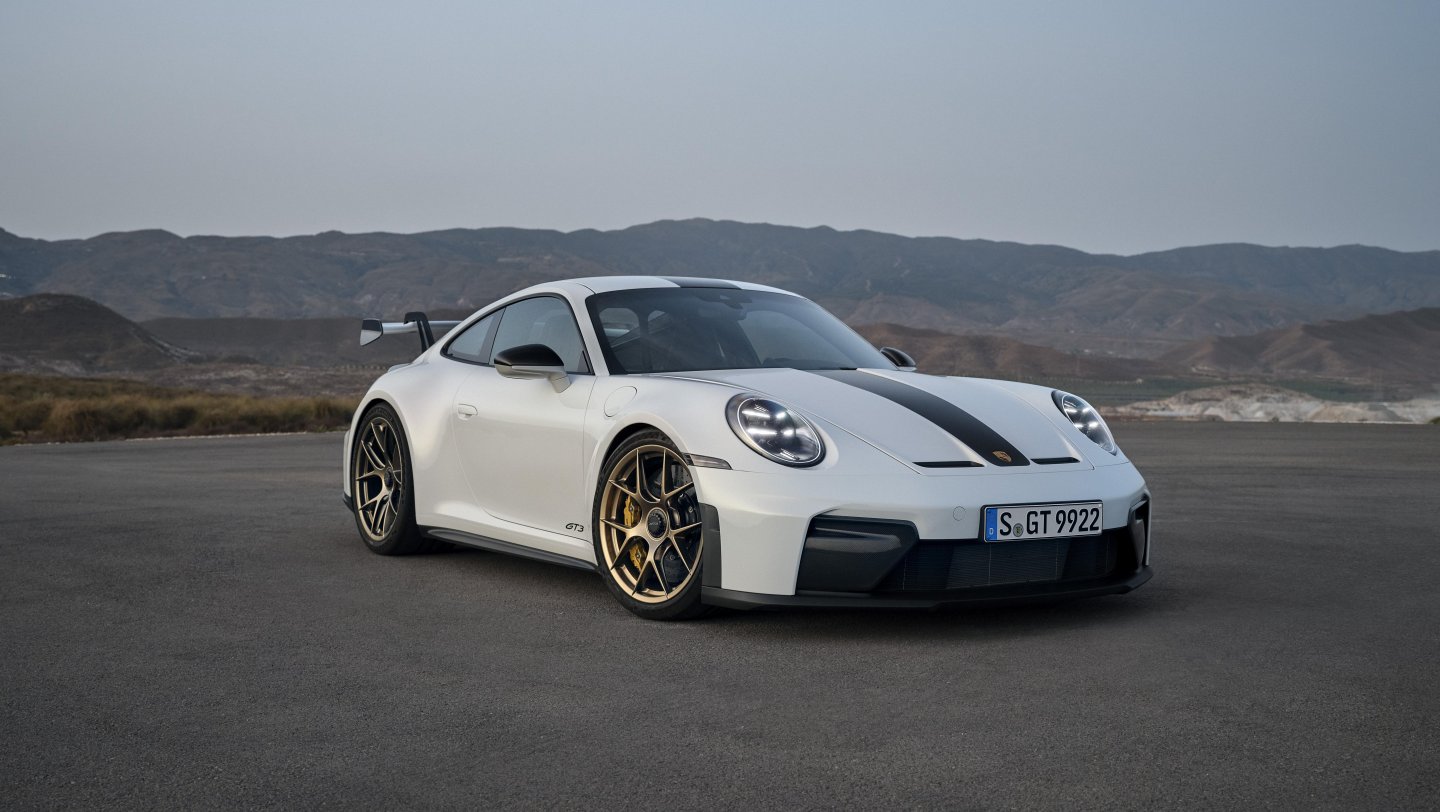
The future of the Porsche 911 GT3 is coming under scrutiny as tightening European emissions regulations threaten the continued use of its signature naturally aspirated flat-six engine. While purists have long valued the GT3’s free-breathing 4.0-liter, the landscape is shifting, and Porsche does not dismiss the possibility of forced induction for its next generation.
Emissions Regulations Cast Doubt on Naturally Aspirated Engines
The European Union’s push for lower fleet emissions is making life increasingly difficult for automakers still offering naturally aspirated powertrains. Starting in 2030, brands must cut fleet CO2 emissions by 55 percent compared to 2021 levels, with an even steeper 90 percent reduction required by 2035. These aggressive targets are expected to further diminish the presence of non-turbocharged engines in new cars, and Porsche’s 911 GT3 is no exception.
Porsche GT Boss Hints at Turbocharged Possibility
Andreas Preuninger, head of Porsche’s GT division, recently acknowledged that the 4.0-liter flat-six is “living on borrowed time” in Europe. While the United States’ more lenient emissions rules may allow the naturally aspirated GT3 to remain available there for loveral more years, the situation in Europe is much more uncertain. Preuninger did not rule out the adoption of turbocharging for future GT3 models, stating, “It might be.”
Regional Differences and Investment Challenges
The divergence in global emissions rules presents a significant challenge. Developing region-specific versions of the 911 GT3 would require substantia
Porsche’s Broader Strategy and the Role of the 911
Porsche has confirmed that the 911 will be the last combustion-engine model in its lineup. While hybrids have made their way into the range, a fully electric 911 is not expected this decade. Meanwhile, other models like the Panamera and Cayenne are set to retain internal combustion options well into the 2030s. The 911, though, will need to adapt to ever-stricter EU regulations if it is to remain on sale globally.
Editorial Evaluation: Tradition Meets Regulation
The Porsche 911 GT3 has long stood as a bastion for enthusiasts who prize the immediacy and sound of a naturally aspirated engine. However, as regulatory pressures mount, Porsche faces a difficult balancing act between its engineering heritage and compliance with environmental targets. While the brand’s commitment to extend the life of its NA engine in the US illustrates its dedication to enthusiasts, the broader global market may force a shift towards turbocharging sooner than many would like. In a segment where purity of experience is the main selling point, any move to forced induction will be closely watched. Ultimately, the future GT3 may have to blend tradition with modern engineering solutions to remain relevant and compliant, keeping the model alive for a new generation of drivers.