Peugeot has introduced two new concept vehicles, Concept 6 and Concept 8, at the Beijing Auto Show, signaling its intentions to re-enter the large car segment with models designed primarily for the Chinese market. Both concepts preview future flagship electric vehicles that could eventually be offered globally.
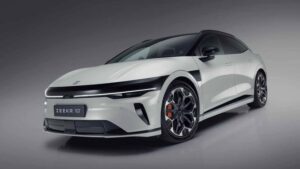
The Concept 6 is positioned as a successor to the discontinued 508 wagon. While Peugeot describes it as a large sedan, the show car appears as a sleek fastback wagon, indicating the possibility of a future 508 SW. The design prioritizes aesthetics, with a sharply angled rear window and a roofline that descends only at the C-pillar, potentially preserving rear passenger comfort. Notable features include a split rear spoiler, illuminated Peugeot crest, and a set of six horizontal LEDs at the rear. At the front, the car adopts a sporty look, with three horizontal LEDs on each side, evoking a modern interpretation of Peugeot’s signature lighting and drawing comparisons to the Audi R8’s design elements.
Concept 8, meanwhile, looks to expand Peugeot’s portfolio into the upper SUV segment. The model suggests ambitions for a premium electric SUV positioned above the current 5008. The Concept 8 shares design themes with Concept 6, such as the split spoiler and horizontal light bar, but adds pronounced rear fenders and a distinctive, pinched waist. This approach aligns with Peugeot CEO Alain Favey’s comments about considering a new flagship SUV for the lineup.
In addition to these two flagships, Peugeot also presented the Polygon hatch concept at the show—believed to preview the next generation 208—which made its China debut alongside Concepts 6 and 8. The Polygon shares loveral design cues with the larger concepts, emphasizing a new direction for the brand’s styling.
The production versions of the Concept 6 and Concept 8 are being developed mainly for Chinese customers and will be manufactured in Wuhan through Peugeot’s partnership with Dongfeng. Despite this focus, the company has indicated that these models will be exported to Western markets, which could mark a significant shift in Peugeot’s global manufacturing and export strategy.
Peugeot’s renewed emphasis on the Chinese market highlights the changing priorities for European automakers in response to global shifts in demand. While the decision may raise questions among European enthusiasts, it reflects a pragmatic approach to growth and competitiveness. The willingness to export China-built models to the West also signals a broader trend toward globalized production and a rethinking of traditional automotive manufacturing bases. As these concepts transition to production, their reception in both China and Europe will be closely watched, particularly as Peugeot seeks to re-establish itself in the large car and luxury SUV segments.