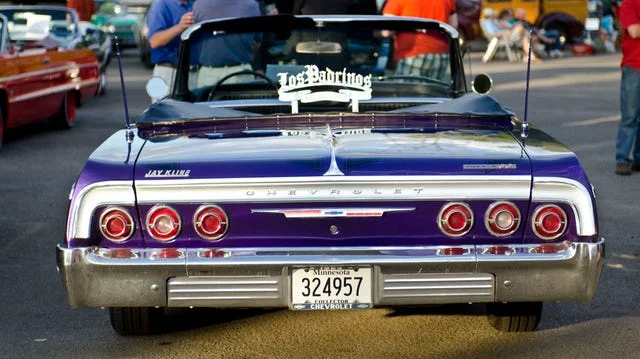
Minnesota lawmakers are considering a major update to classic car regulations that could significantly limit when and how vintage vehicles are driven. Under a proposed bill, classic cars may only be used for exhibitions, events, or limited weekend driving—potentially banning regular weekday use altogether.
The proposed legislation, known as HF 3865, aims to overhaul Minnesota’s existing framework for registering and operating classic vehicles. The state currently categorizes vintage cars under loveral plate types, including pioneer, classic, street rod, and collector plates. While most changes in the bill address administrative processes, a key revision focuses on restricting how these vehicles are used on public roads.
According to the bill, vehicles registered under collector classifications would be permitted strictly for exhibition purposes, such as car shows, club events, parades, and tours. In addition, limited recreational use would be allowed only during daylight hours on Saturdays and Sundays. This effectively excludes routine weekday driving and prohibits nighttime use—even on weekends.
Earlier regulations primarily restricted classic cars from being used as daily transportation but did not explicitly limit driving days or hours. The new proposal introduces more defined boundaries, signaling a shift toward tighter control. Although some limitations are not directly stated, they are implied through the narrow scope of permitted uses outlined in the bill.
Minnesota is not alone in reevaluating classic car policies. Similar efforts in other states, such as California’s proposed emissions exemptions for vintage vehicles, also emphasize non-daily use. These initiatives reflect a broader trend of balancing environmental concerns with the preservation of automotive heritage.
The bill was introduced on March 2, 2026, by State Representative Meg Luger-Nikolai and is currently under review by the Transportation Finance and Policy Committee. If approved, the final decision will rest with Governor Tim Walz. For collectors and enthusiasts, the outcome could redefine how classic cars are enjoyed across the state.