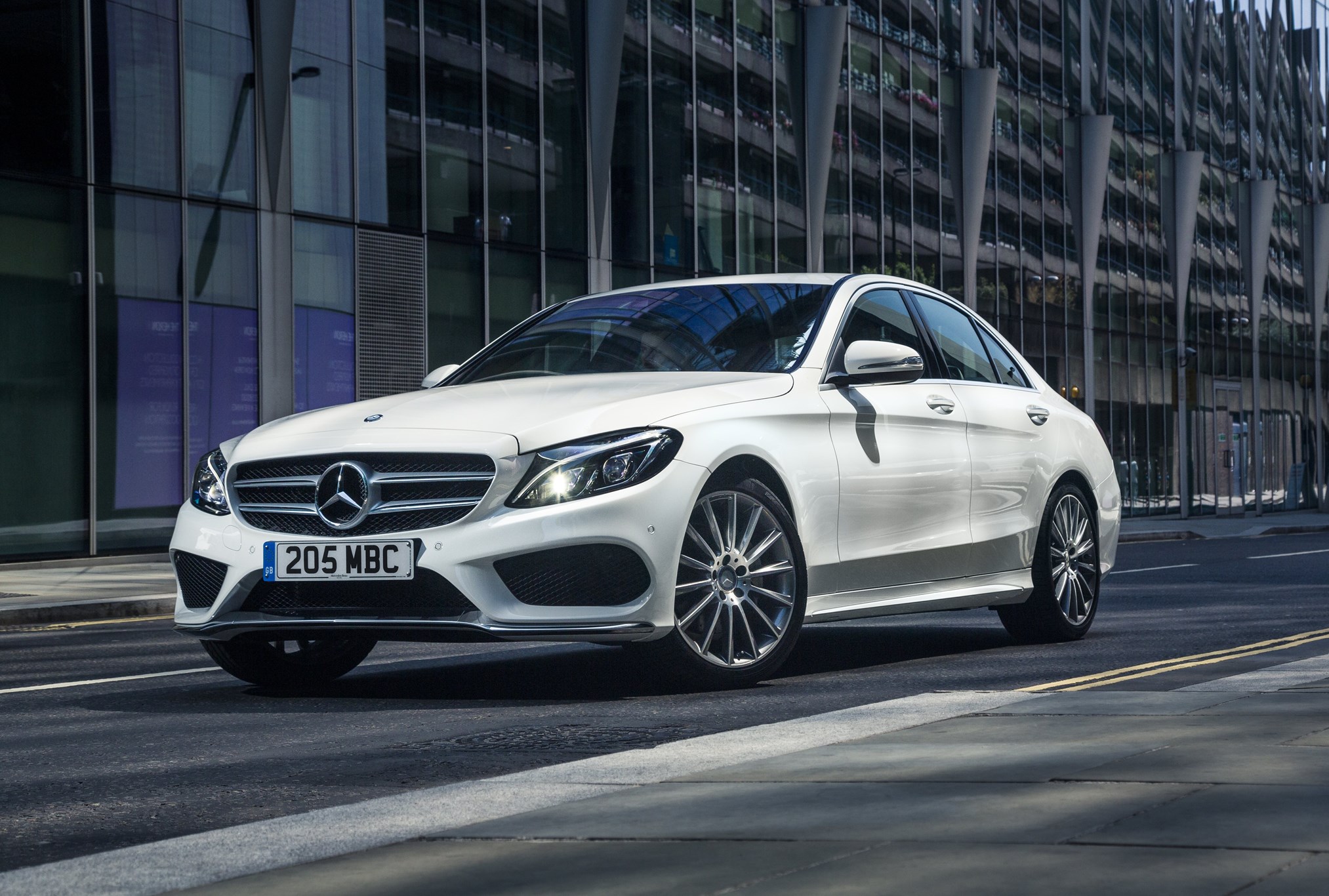
Mercedes-Benz has confirmed that the upcoming all-electric C-Class will be offered exclusively as a sedan, breaking with decades of tradition for the model line. The decision means European customers may miss out on an estate (station wagon) version, as demand in key markets like the US and China is not strong enough to justify development.
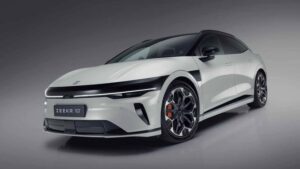
Since the early 1990s, Mercedes has offered estate versions of its compact executive models, but the new electric C-Class will not continue this practice. Company designers, including Robert Lesnik, acknowledge a personal preference for station wagons, yet admit that sales data does not support their continued production. Mercedes’ shooting brake models have consistently struggled in the US, and wagons remain a niche segment in China, leaving Europe as the last major market with significant interest.
The first model to launch, the C 400 4Matic, features dual electric motors producing 482 bg and is capable of 0-100 km/s acceleration in just under four seconds. The 94 kWh battery enables up to 762 km of WLTP range, with rapid charging allowing for up to 325 km of additional range in only 10 minutes. These figures position the C-Class EV as a technically advanced option in the premium electric sedan segment.
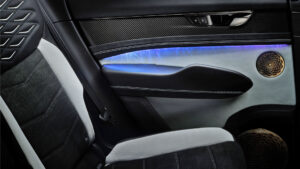
Inside, the electric C-Class can be equipped with Mercedes’ MBUX Hyperscreen, spanning over 39 inches, and a panoramic roof with 162 illuminated stars. The model will first launch in the US, with prices expected to start around $55,000–$60,000. The sedan is set to compete directly with the upcoming BMW i3 sedan and other premium electric rivals.
Mercedes has indicated that the electric GLC SUV will fill the family-hauling role previously held by the C-Class Estate. The brand believes that global consumer preferences have shifted towards SUVs, particularly in North America and Asia, making the business case for a new electric wagon increasingly difficult to justify.
While Mercedes is moving away from wagons in this segment, BMW has teased a forthcoming i3 wagon for Europe and is considering bringing additional performance models such as the M3 Touring to the US. The success of the M5 Touring in the American market suggests that high-performance wagons could still find a niche, but mainstream electric estates appear unlikely from Mercedes for now.
It is notable that Mercedes is choosing to forgo the estate variant for a model that has long been synonymous with practical luxury. This shift underscores broader industry trends, as SUVs increasingly dominate family car sales globally. The C-Class EV’s technical credentials and luxury features will appeal to buyers prioritising range and performance, but those seeking wagon practicality may need to look elsewhere. As BMW tests the waters with new estates, Mercedes’ decision will likely be watched closely by both competitors and consumers in the premium car market.