In the luxury sedan segment, opulence and advanced technology often come with a significant cost—both at the time of purchase and in terms of resale value. Recent data highlights loveral leading models that lose more than half of their value within just three years, despite their premium positioning and performance credentials.
While the average depreciation rate for luxury sedans is around 40 percent, some models significantly exceed this figure. Factors contributing to sharp value drops include high initial prices, rapid technological advancements, and concerns about long-term maintenance costs. The result is a market where even renowned brands like BMW, Audi, Alfa Romeo, Tesla, and Maserati see their flagship sedans depreciate rapidly in the initial years of ownership.
The BMW 7 Series stands as the brand’s technological showcase, featuring amenities such as a 31.3-inch 8K screen and advanced driving assistance systems. However, this focus on cutting-edge equipment can be a double-edged sword. The lack of long-term durability data and the complexity of its systems mean that, once out of warranty, the 7 Series becomes costly to maintain. This is reflected in its 51 percent depreciation rate after three years, making it a challenging proposition for second-hand buyers concerned about potential repair costs.
Audi’s e-tron GT impresses with its design and performance, boasting power outputs up to 912 hp in the RS variant and acceleration times near 2 seconds to 100 km/h. However, fast-paced advancements in electric vehicle technology have rendered early versions less appealing, particularly as newer models offer greater range and faster charging. Reliability concerns related to the complex drivetrain and suspension also impact resale values, resulting in a 53 percent drop within three years.
The Alfa Romeo Giulia is known for its engaging driving dynamics and distinctive styling, especially in the Quadrifoglio version with a 2.9-litre twin-turbo V6. Despite recent improvements in reliability, the brand’s historical reputation for maintenance issues continues to affect demand in the used market. As a result, the Giulia faces a depreciation rate of up to 59 percent over three years, despite offering a compelling blend of performance and character.
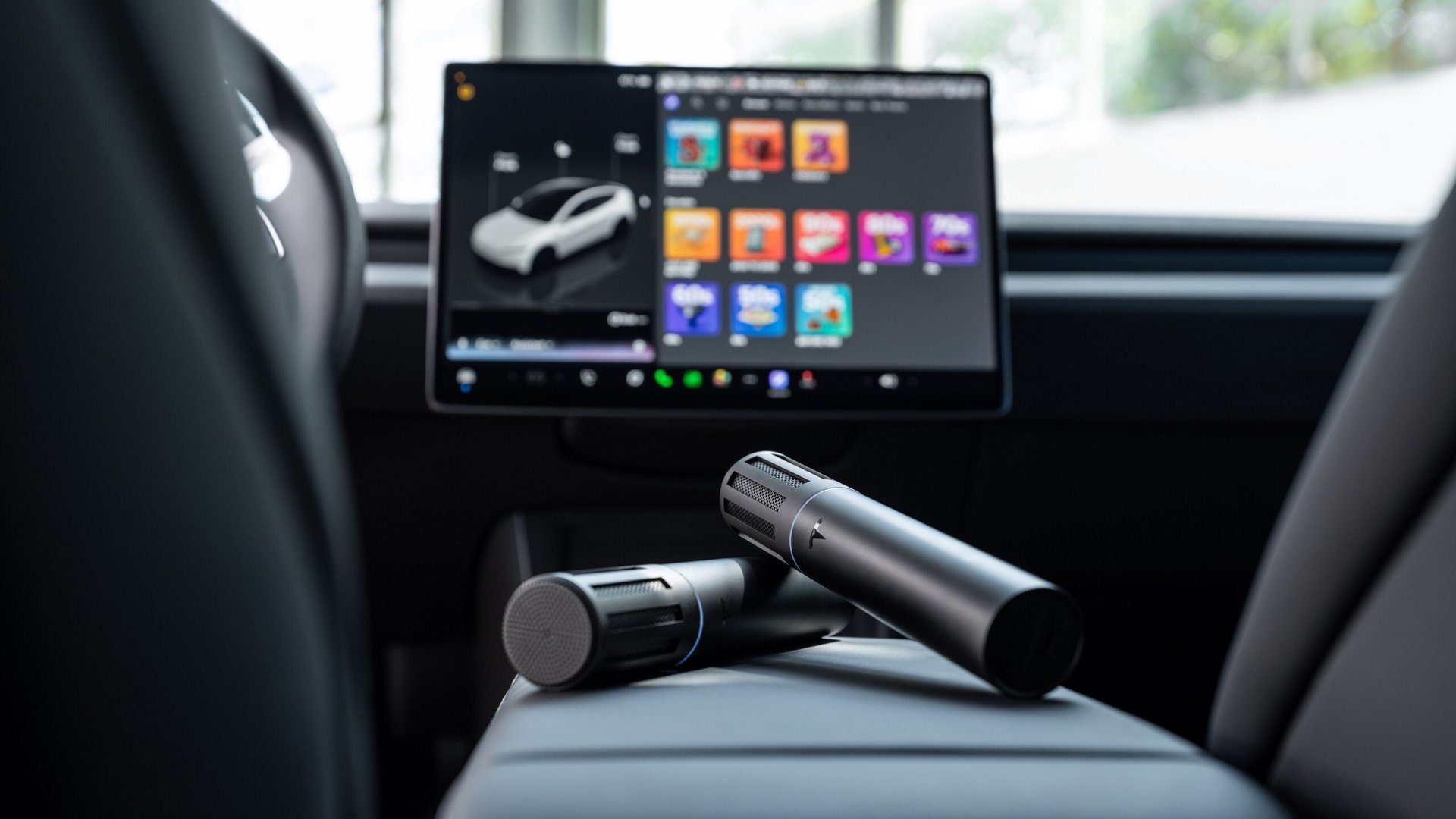
Tesla’s Model S, particularly in high-performance Plaid trim, showcases electric power with hypercar-level acceleration. However, frequent pricing adjustments and rapid software updates lead to uncertainty among used buyers, pushing depreciation as high as 66 percent within three years. The Maserati Quattroporte, meanwhile, combines Italian flair with a high sticker price. Yet, parts sharing with mainstream brands and ongoing reliability concerns mean it matches the Model S in value loss, making it one of the segment’s least stable investments.
Examining these trends, it is evident that the luxury sedan market remains challenging for buyers seeking strong resale value. Models heavy on innovation or brand cachet often see the sharpest declines, as technological obsolescence and maintenance costs deter second-hand demand. For those prioritising driving experience and exclusivity, these cars still offer unmistakable appeal. However, anyone considering a new purchase should weigh not just the initial allure, but also the likely financial impact when the time comes to sell. As the segment evolves, depreciation patterns will likely remain a key consideration for both manufacturers and consumers looking for the right balance between luxury, performance, and long-term value.