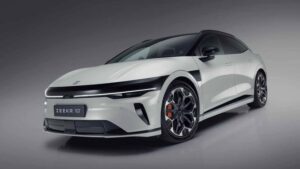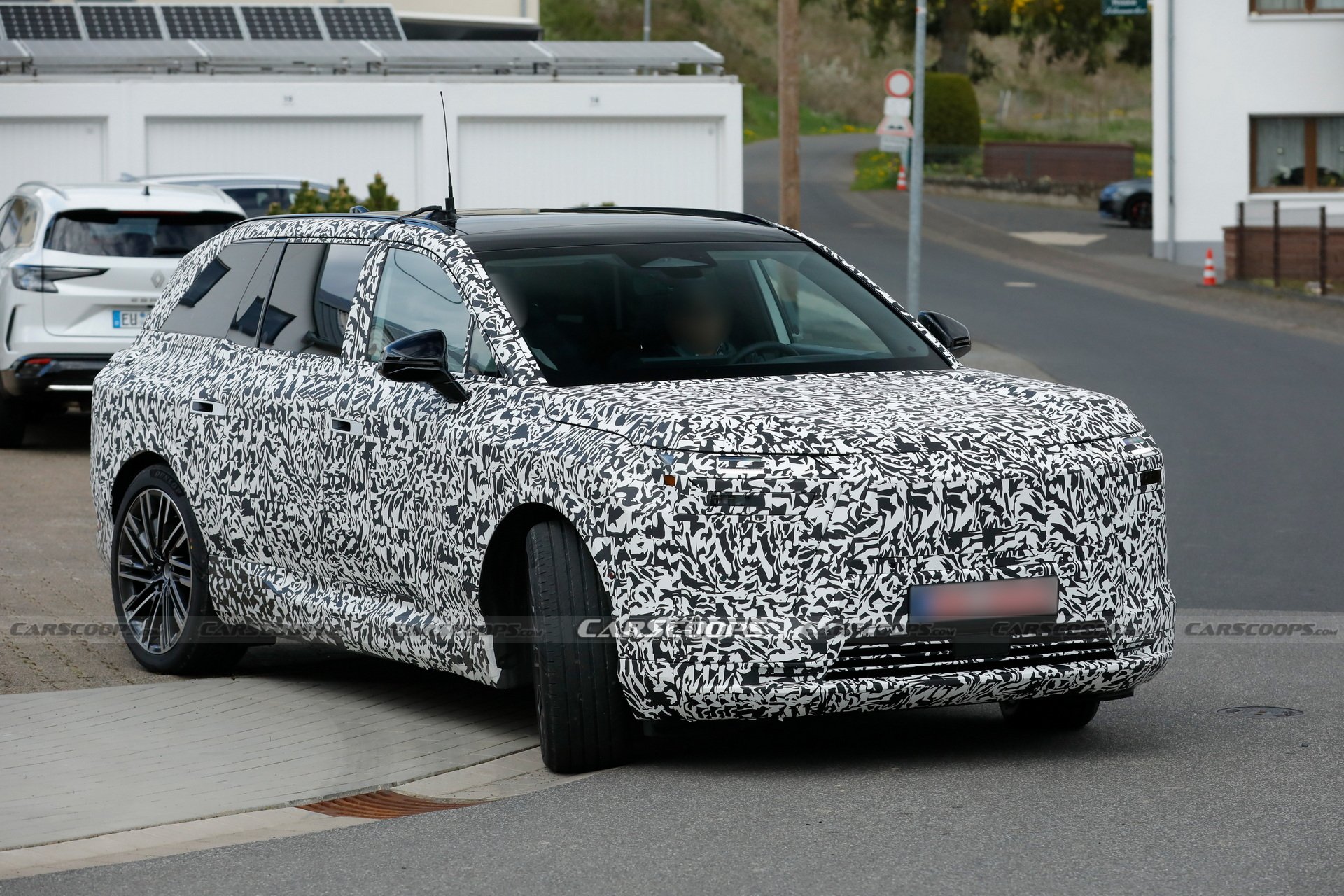
Lexus has introduced a significant update to its ES model range, aiming to redefine expectations in the midsize luxury sedan segment. While German brands like BMW, Mercedes-Benz, and Audi continue to dominate in prestige and outright performance, the new Lexus ES focuses on value, efficiency, and long-term ownership advantages, quietly shifting the landscape for luxury car buyers.
The 2026 Lexus ES comes in three main versions: the ES 350e, ES 350h, and ES 500e, with starting prices ranging from $49,700 to $51,795. These figures place the ES well below direct German rivals, such as the BMW 530i ($60,500), Mercedes-Benz E-Class ($63,900), and Audi A6 ($64,100). This pricing strategy allows Lexus to attract buyers seeking premium features without the traditional luxury price tag, particularly as mainstream vehicles have narrowed the gap in materials and technology.
This year, Lexus has moved away from its previous V6 offering, now providing a choice between a hybrid (ES 350h) and two all-electric variants (ES 350e and ES 500e). The ES 350h features a 2.5-litre inline-four hybrid system, while the EVs use single or dual motor setups with battery capacities up to 76.96 kWh. Power outputs range from 221 hp in the ES 350e to 338 hp in the ES 500e. Acceleration times are competitive for the segment, with the ES 500e reaching 0–100 km/h in approximately 5.4 seconds, narrowing the performance gap to entry-level German competitors.
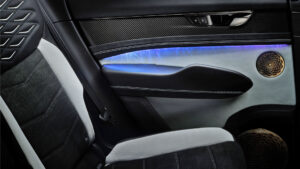
Lexus has overhauled the ES’s interior, introducing a 14-inch central touchscreen, a 12.3-inch digital instrument cluster, and the latest Lexus Interface infotainment system. Across the range, even base models offer NuLuxe upholstery, a patterned dashboard, and ambient lighting, while higher trims add semi-aniline leather and distinctive wood or bamboo finishes. The layout balances digital minimalism with physical controls, delivering both usability and a sense of calm luxury.
One of Lexus’s strongest selling points remains its reputation for reliability. According to the latest Vehicle Dependability Survey, Lexus leads its segment with just 155 problems per 100 vehicles, outpacing Porsche, BMW, Mercedes, and Audi. Annual maintenance costs for the ES are significantly below those of German competitors, with estimates around $468 per year. Over a five-year period, total ownership costs for the ES are projected to be well below those of comparable rivals, further enhancing its appeal to cost-conscious luxury buyers.
While official fuel economy figures for the new ES are pending, reports suggest that the ES 350h will achieve up to 44 mpg combined, and the ES 350e offers a projected electric range of 307 miles. The ES’s longer wheelbase and wider stance also translate into improved interior space, providing more legroom and cargo capacity than many competitors. This focus on real-world usability and comfort, rather than chasing performance headlines, makes the ES a practical choice for daily luxury driving.
The 2026 Lexus ES stands out as a thoughtfully updated alternative in the increasingly competitive luxury sedan market. Its approach is not to outperform German rivals in speed or badge prestige, but to offer a compelling blend of advanced technology, robust reliability, and cost advantages. The new ES makes a strong case for buyers seeking high-quality materials, comprehensive equipment, and lower long-term running costs. As the market shifts towards electrification and efficiency, the ES positions itself as a forward-thinking option that quietly challenges established norms, suggesting that Lexus’s measured strategy may pay off in new ways for the premium segment.