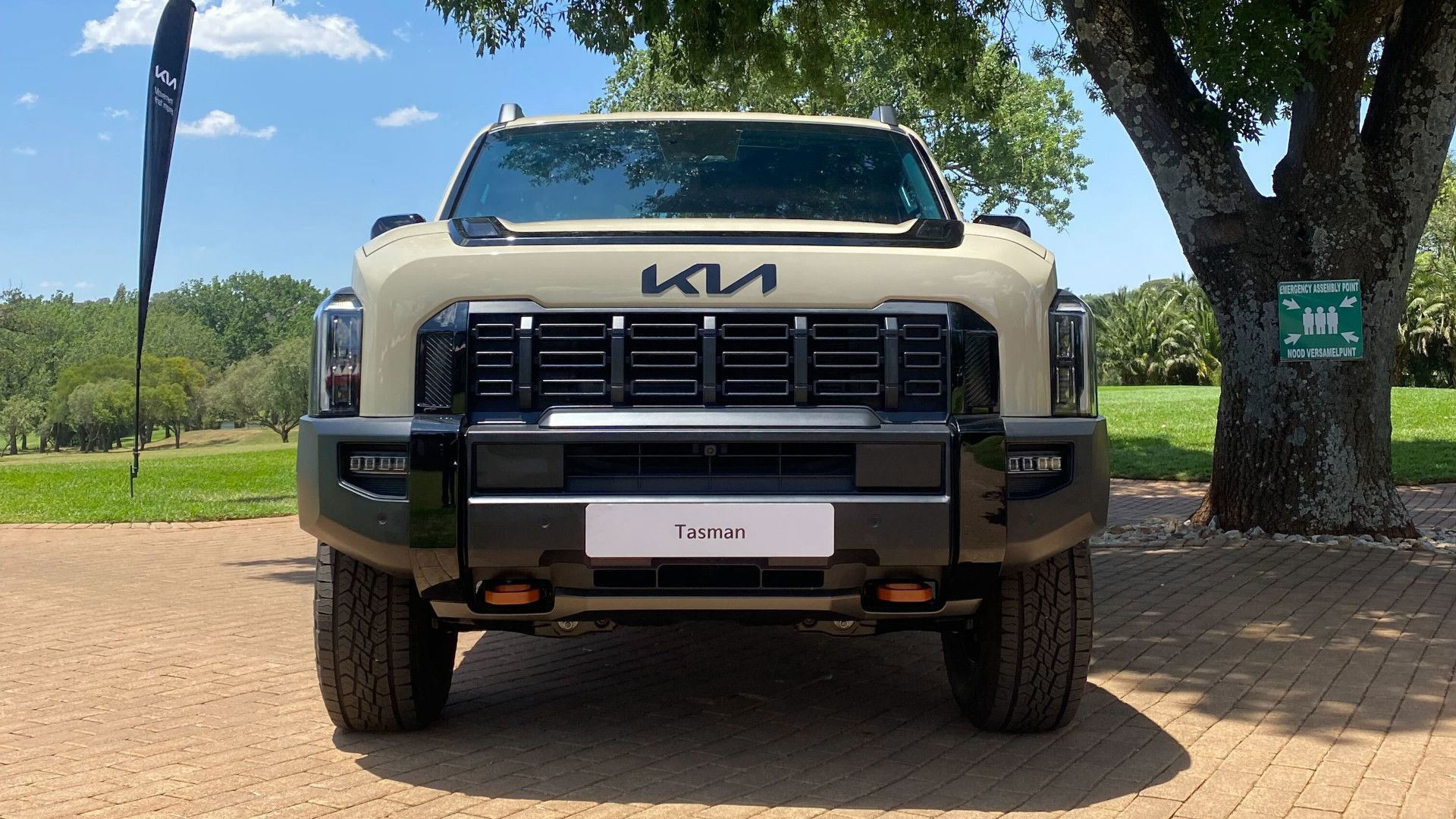
Kia’s Tasman pickup, introduced as a direct competitor to the popular Toyota HiLux in Australia, is facing significant challenges in meeting its ambitious sales targets. Initially aiming for 20,000 units per year, the Tasman managed just 399 sales in March, highlighting a notable gap between expectations and reality.
Launched in July last year, Kia quickly revised its target for the Tasman to 10,000 units for the remainder of the year after a slower than expected start. By the end of the year, only 4,196 units had been sold. The downward trend has persisted into 2024, with February recording 472 sales and March dropping further.
Despite the disappointing figures, Kia Australia CEO Damien Meredith has ruled out price cuts as a solution. Instead, the company is focusing on new financing options and ‘value add’ strategies to boost appeal. Kia has already lowered interest rates through its in-house finance arm and introduced a basic single-cab chassis model targeting the trades sector.
The Tasman has performed relatively well among lifestyle buyers but has struggled to attract fleet customers and rural buyers, segments crucial for higher sales volumes. Meredith ad
mits there is still extensive work required to reposition the Tasman in these markets. He also acknowledged the design has been somewhat divisive among potential buyers, although he dismissed the need for an immediate facelift.
Entering a market long dominated by the Toyota HiLux and other established pickups, the Kia Tasman faces tough competition. The current sales performance suggests the Tasman has yet to make a significant impact, particularly in segments where reliability and reputation heavily influence purchasing decisions.
The underwhelming sales of the Kia Tasman in Australia indicate that simply entering a competitive segment is not enough, even for a brand with Kia’s resources. Without aggressive pricing or substantial differentiation, new models face an uphill battle against entrenched rivals. The decision to focus on financing and value-added features rather than discounts shows Kia’s intent to protect the model’s long-term positioning. However, unless the brand can connect with fleet and rural buyers, the Tasman may remain a niche player. The coming months will reveal whether these strategic adjustments can help the Tasman gain traction in a highly demanding market.