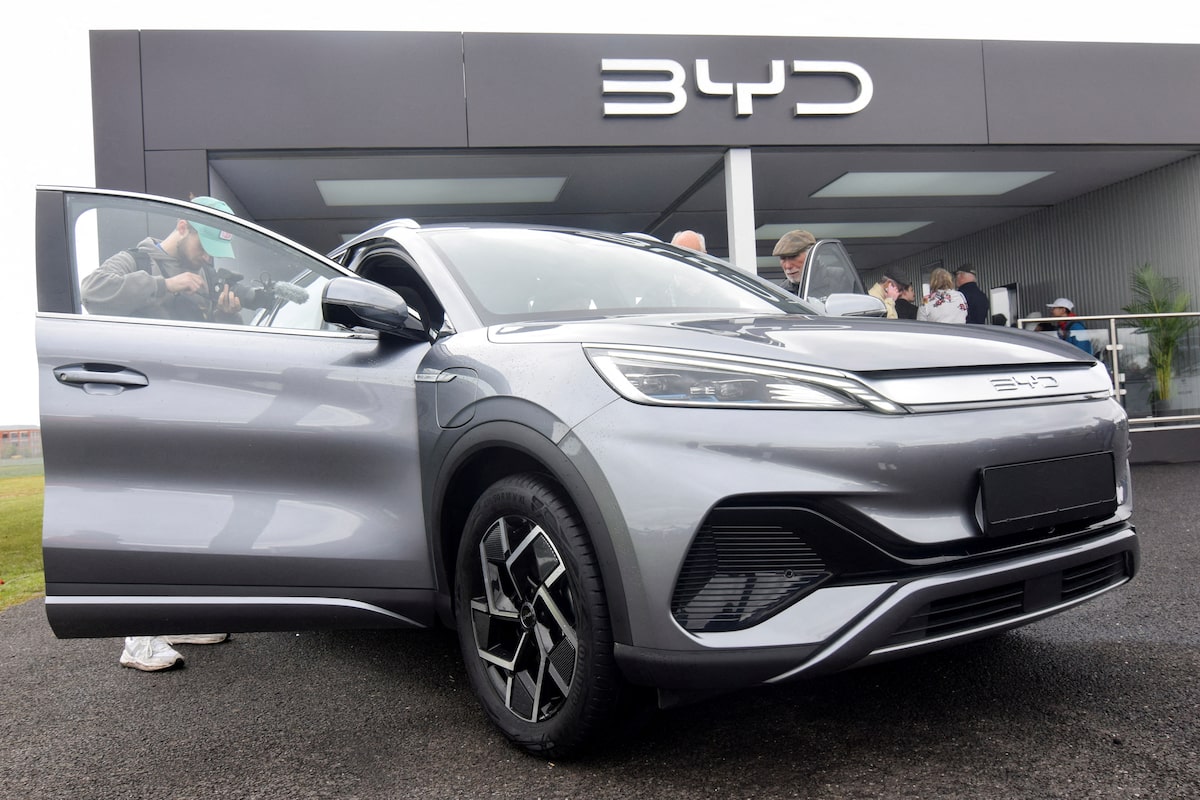
Despite direct warnings from Chinese authorities, the automotive price war in China shows no sign of slowing down. BYD, one of the country’s largest auto manufacturers, has implemented new price reductions across its model range, escalating industry-wide tension. This move is putting pressure on competitors like Geely and Chery, who have also maintained significant discounts over the past year.
The Chinese government had previously called in executives from more than a dozen automotive companies, urging them to halt aggressive discounting before it destabilized the entire sector. The market regulator emphasized the need to address what officials described as ‘involutionary’ competition, a term highlighting the self-defeating cycle of continuous price cuts.
According to data from Bloomberg, BYD’s average price reductions reached approximately 10 percent in March. Rival brands Geely and Chery currently offer discounts close to 15 percent, maintaining these levels steadily throughout the last twelve months. The ongoing cuts reflect the industry’s struggle to balance excess production capacity and slowing domestic demand.
China’s auto sector faces a significant mismatch between supply and demand. While 23 million vehicles were sold domestically last year, the nation’s factories are capable of manufacturing more than double that volume. As a result,
local brands have increasingly focused on exporting vehicles, with electric vehicle shipments from China more than doubling last month alone.
Regulatory changes have added further strain. Authorities now require manufacturers to pay suppliers much more promptly, ending the previous practice of delaying invoice payments for months. This shift has increased short-term liabilities for companies like BYD, which now faces a debt-to-equity ratio of 25 percent. The secretary general of the International Organization of Motor Vehicle Manufacturers, François Roudier, notes that while consumers may benefit from lower prices in the short term, manufacturers are absorbing significant financial losses, impacting the broader industry ecosystem.
The persistence of discounting in China’s automotive industry underscores the sector’s ongoing overcapacity and intensifying competition. BYD’s latest round of price cuts demonstrates that, despite regulatory intervention, market forces are proving difficult to control. While short-term benefits for consumers are clear, the long-term implications for financial stability and industry health are less certain. If the current trajectory continues, further consolidation among local brands and increased focus on exports seem likely. Stakeholders across the supply chain will need to adapt as the market continues to evolve under these pressures.