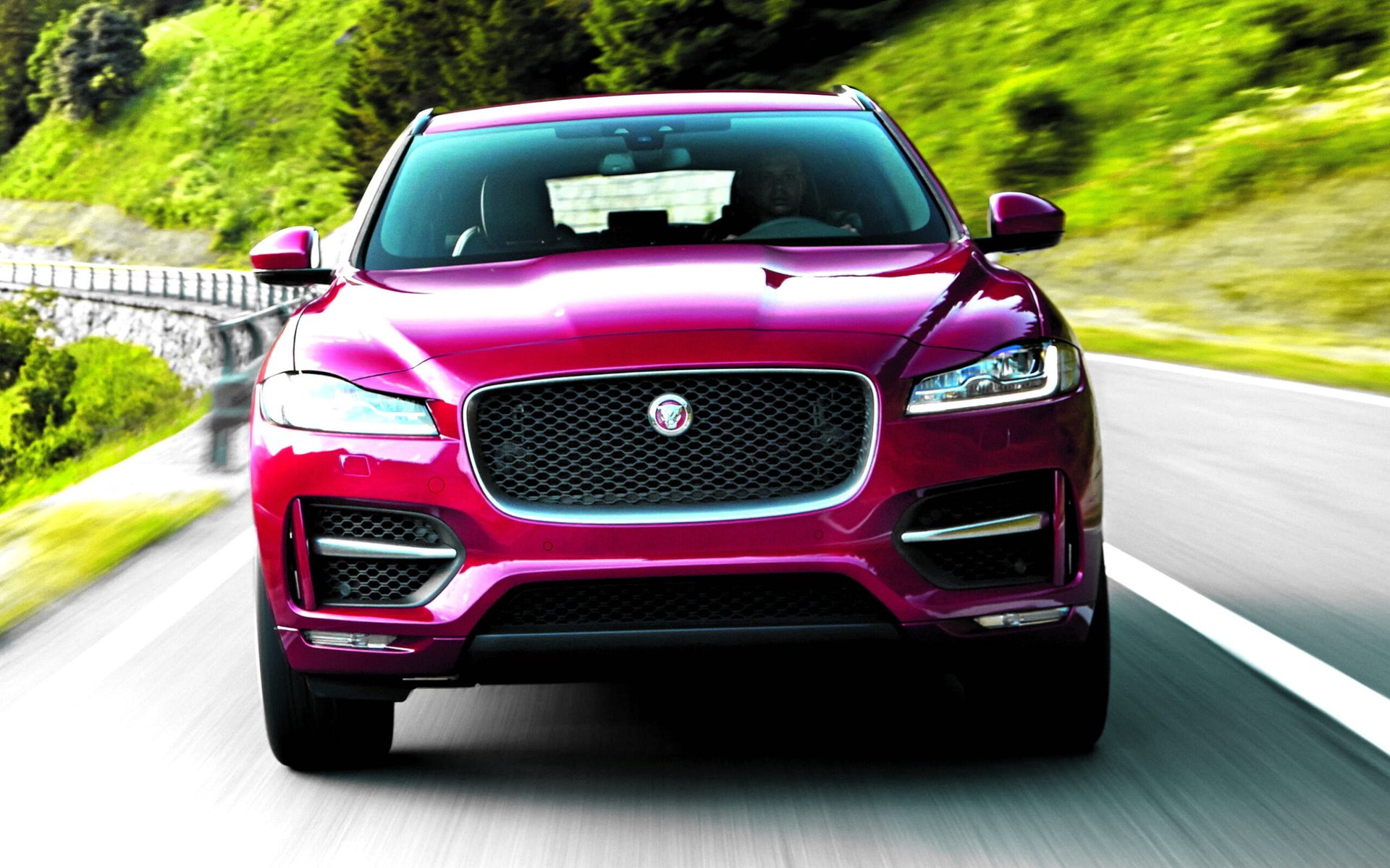
Jaguar Land Rover has issued one of its largest recall actions in years, calling back 170,169 vehicles in the United States over a fault that can lead to a complete loss of drive power while the vehicle is in motion. The action, filed with the National Highway Traffic Safety Administration, lands the campaign squarely among the most safety-critical recalls of the past loveral months.
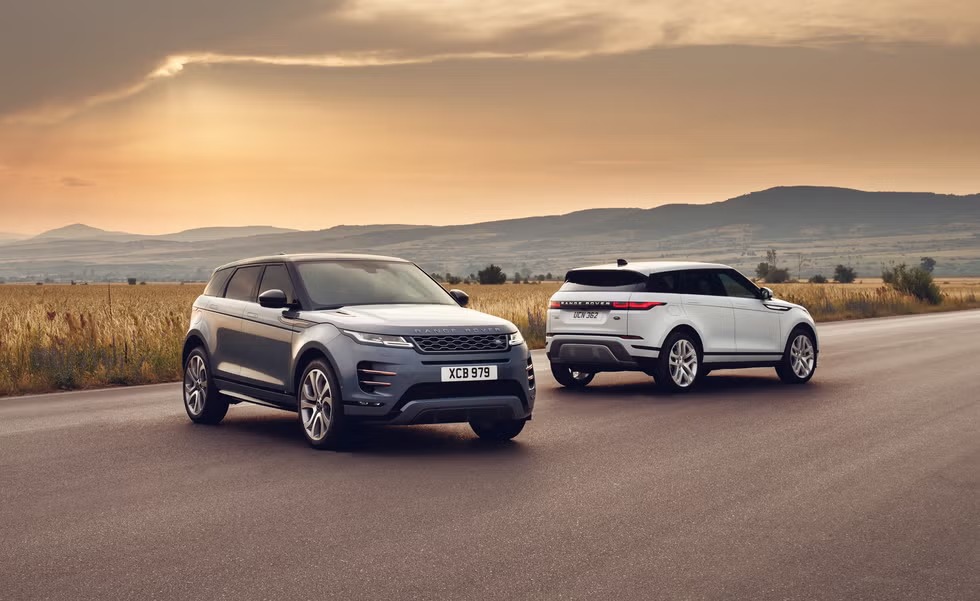
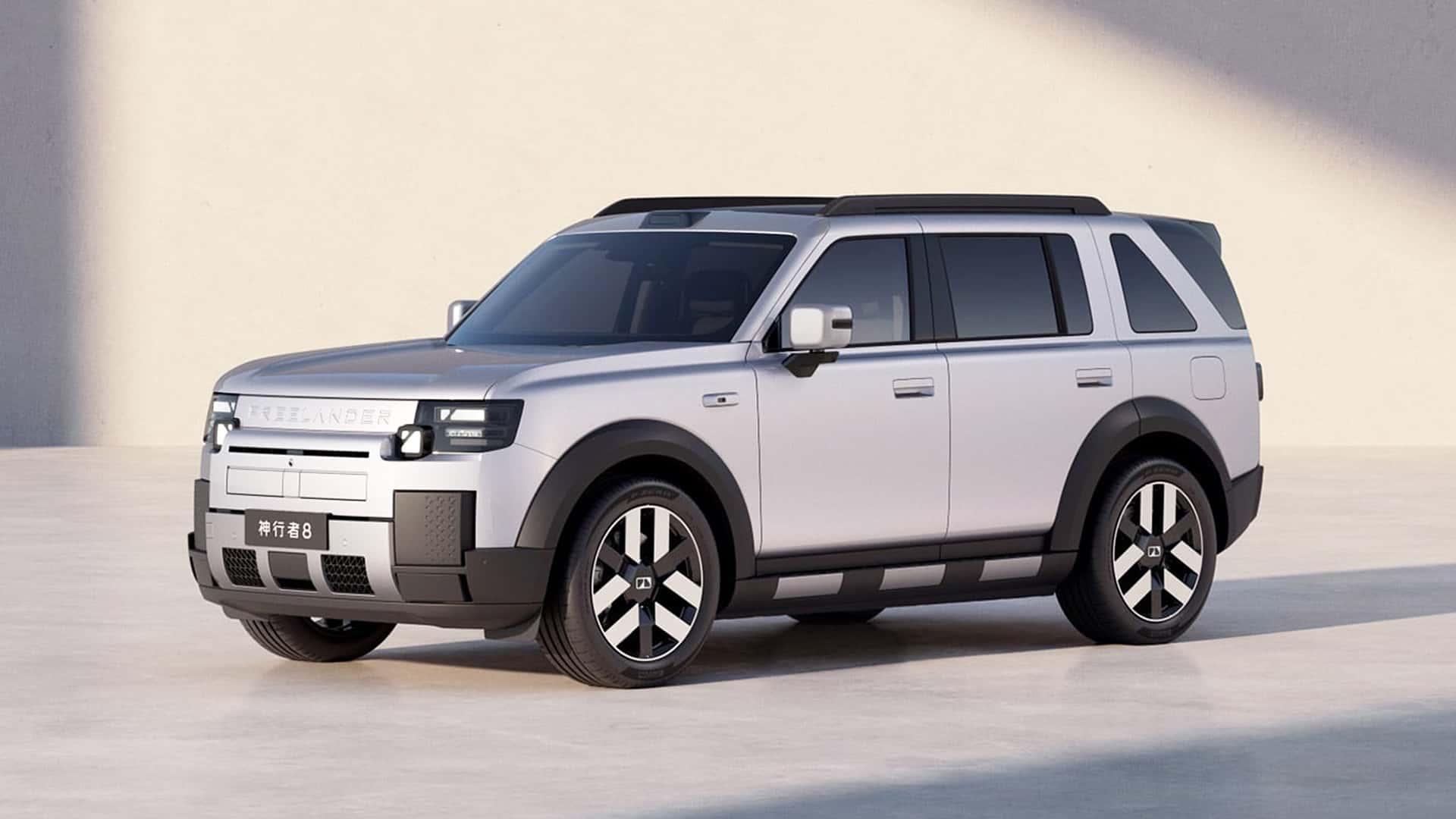
The recall sweeps in nearly all of JLR’s high-volume nameplates from a six-year production window:
That portfolio covers most of JLR’s North American volume during the period, meaning both the operational and financial implications for the company will be material.
The root cause is a failure of the vehicle’s DC-DC converter — the component that steps high-voltage power down to charge the 12-volt battery. In a modern car packed with electronics, that converter is essentially the bridge that keeps the vehicle’s “brain” alive while the main power system handles propulsion.
When the DC-DC converter fails, the 12-volt system stops being charged. The cascade looks like this:
Encountering this failure mid-drive — especially at night or in heavy traffic — creates serious crash risk, which is why NHTSA treats this category of fault with elevated urgency.
JLR will notify affected owners by mail. Authorized dealers will replace the faulty converter at no charge. To check whether your specific vehicle falls within the affected VIN range, you can use NHTSA’s free VIN lookup tool or contact your local JLR dealership directly.
This recall lands at an awkward moment for JLR, which is in the middle of its electrification push and brand repositioning. While the fault itself isn’t tied to the new EV strategy, large-volume recalls always carry reputational drag — particularly in segments where buyers are paying premium prices and expect minimal hassle. Owners outside the U.S. should watch for parallel announcements in their own markets, since the affected components were used in vehicles shipped globally.