Hyundai has introduced a significant mid-cycle update to its flagship sedan, the Grandeur. The seventh-generation model, originally launched in 2022, receives both exterior and interior enhancements as it marks its 40th anniversary. The revised Grandeur targets customers seeking premium features without moving up to the Genesis range.
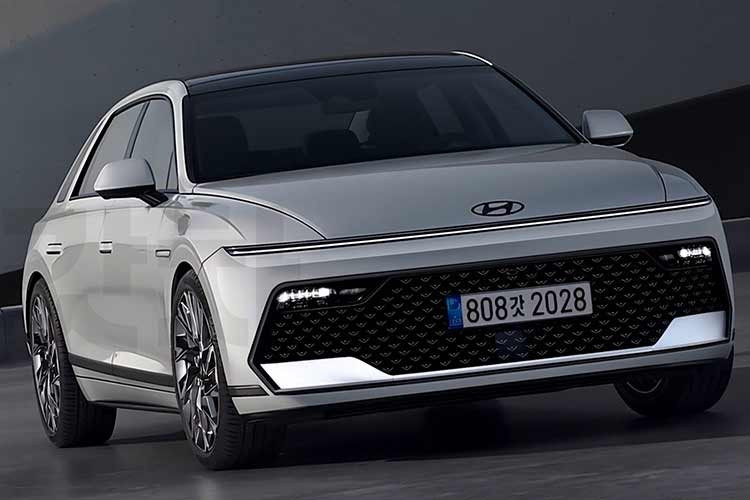
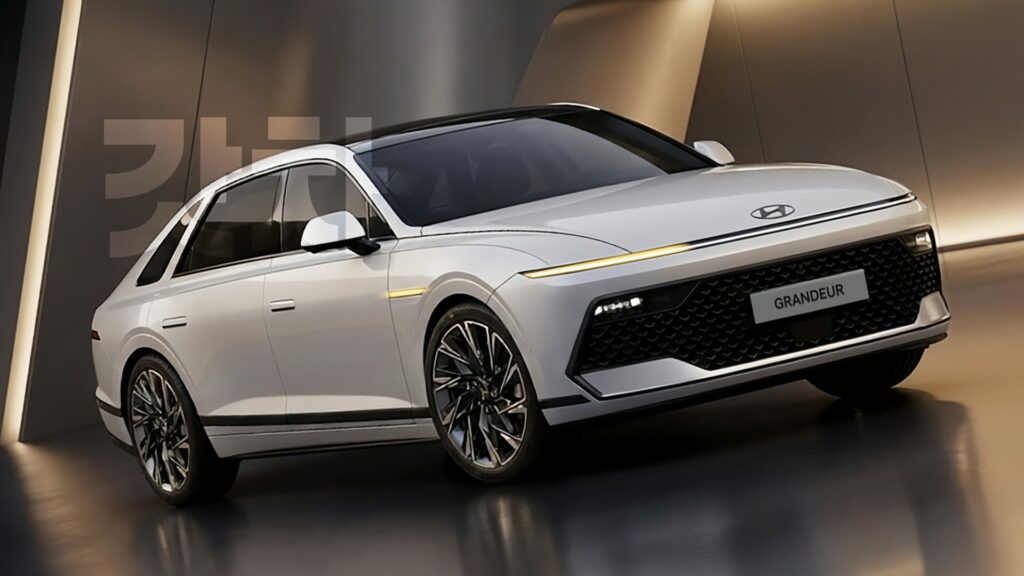
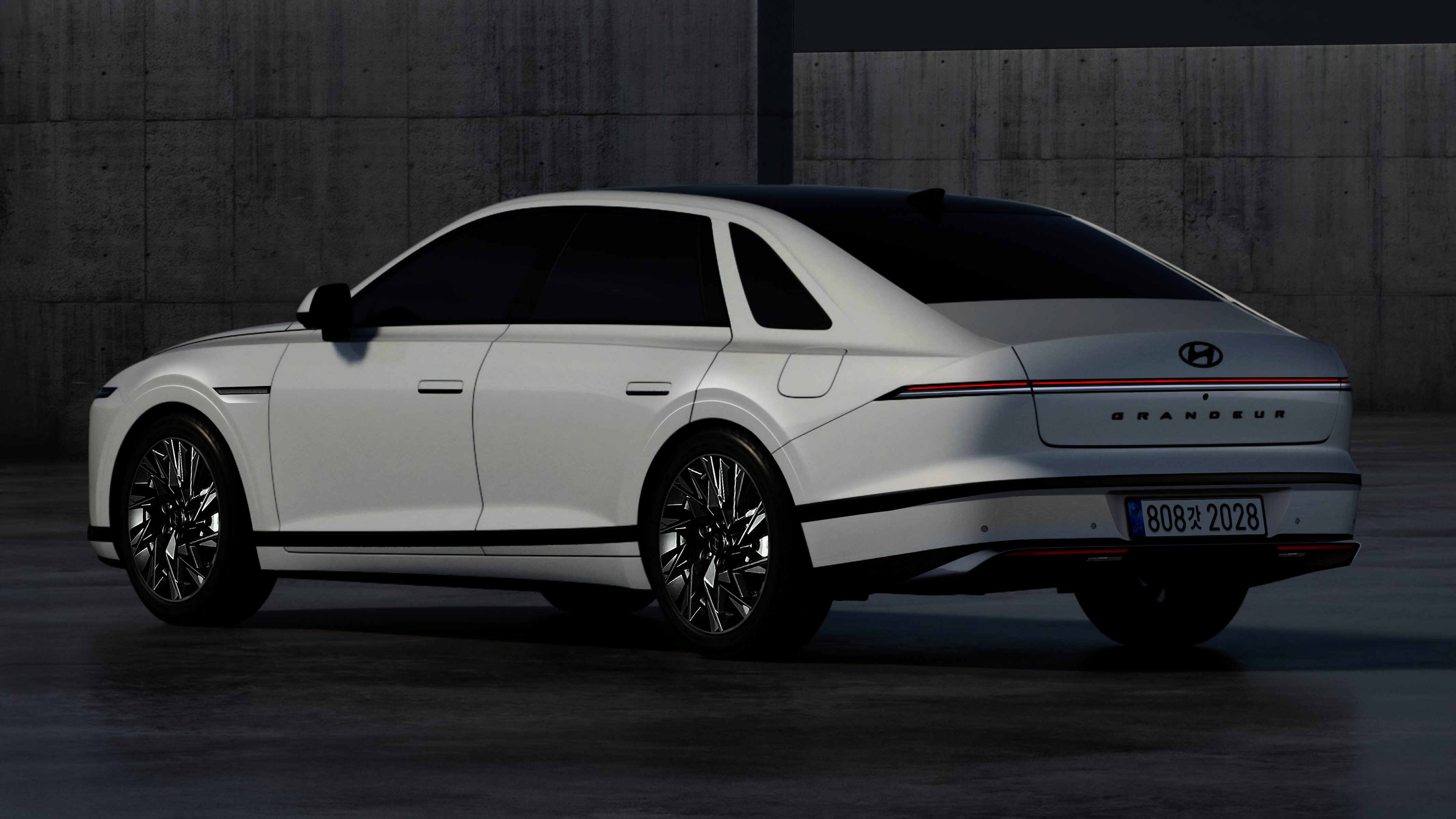
The exterior design of the new Grandeur builds on its futuristic direction. The front now features slimmer bezel-less main headlights placed beneath a horizontal LED daytime running light bar, while the hood extension contributes to a pronounced ‘shark nose’ effect. The sedan stretches to 5050 millimeters in length, making it slightly longer than its predecessor. Changes also include a redesigned mesh-pattern front bumper, an even slimmer rear taillight bar, and a new Artistic Burgundy paint option blending pearl and matte finishes.
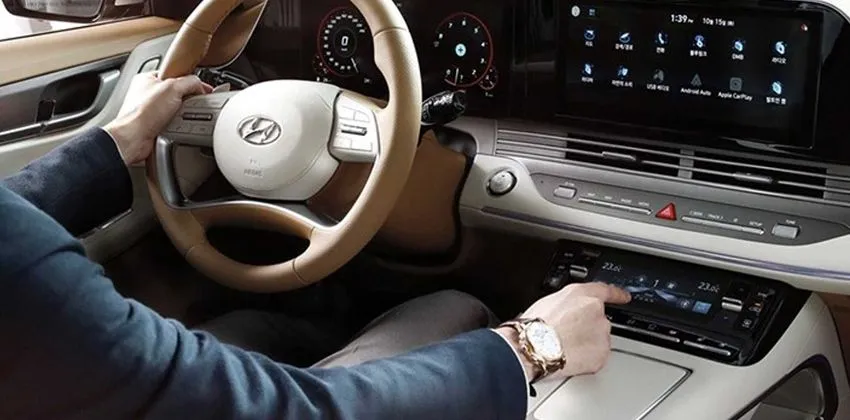
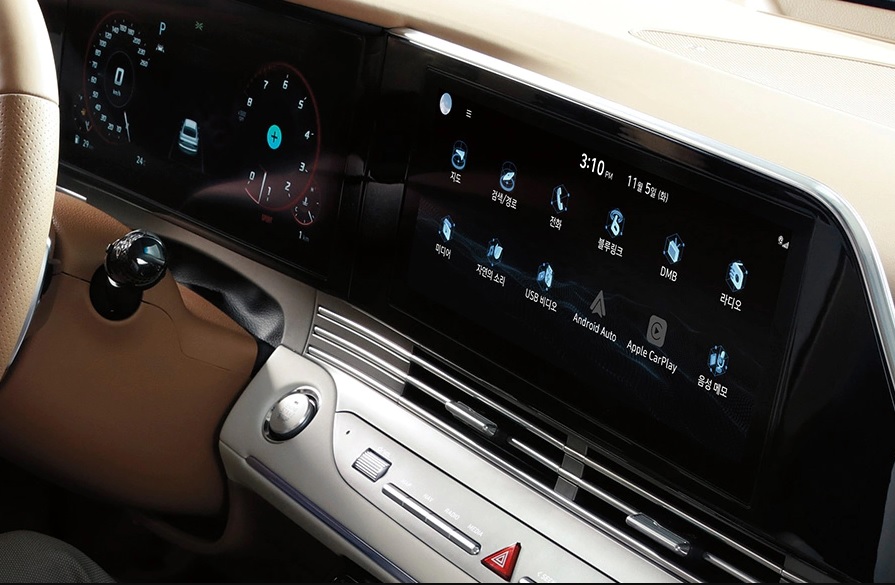
Inside, the update is more substantial. The Grandeur debuts Hyundai’s Pleos infotainment system, operated via a 17-inch touchscreen running on the Android Automotive Operating System. Unlike previous models, traditional climate controls have been replaced with digital controls within the main display. The instrument cluster is now smaller and positioned higher for improved visibility. The burgundy theme from the exterior continues throughout the cabin, offering a unified and upscale ambiance.
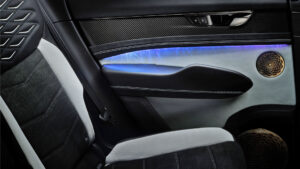
Additional luxury features set the Grandeur apart within Hyundai’s lineup. It is the first Hyundai to offer a panoramic roof with an adjustable opacity function, allowing occupants to switch between opaque and transparent settings. The interior combines real wood trim, metal accents, intricate quilting, and knot piping, while upgraded ambien
Although Hyundai has not yet released full technical specifications for the facelifted Grandeur, the pre-facelift model was available with a variety of powertrains, including four- and six-cylinder engines, a hybrid option, and a V6 compatible with liquefied petroleum gas (LPG). The Grandeur remains positioned above the Sonata and below the Genesis G80 in Hyundai’s hierarchy, serving buyers who desire an upper-segment sedan without opting for a premium badge.
In an era where crossovers and SUVs dominate the market, Hyundai’s commitment to the Grandeur—and Kia’s continued focus on large sedans—demonstrates the ongoing relevance of traditional sedans for Korean automakers. The Grandeur’s blend of advanced technology, elegant design, and premium materials is aimed at customers seeking comfort and sophistication in a non-German large sedan.
From an editorial standpoint, the updated Grandeur shows Hyundai’s strategy of bridging the gap between mainstream and luxury segments. Its new infotainment system and innovative interior touches align with trends seen in higher-end models, while the retention of distinct design cues keeps the Grandeur recognizable. The focus on material quality and in-cabin technology demonstrates Hyundai’s intent to maintain relevance in a shrinking but still significant segment. As the market continues to shift towards electrification and crossovers, the Grandeur’s evolution will be one to watch, especially as it responds to changing customer expectations and competitive pressures from both Korean and international brands.