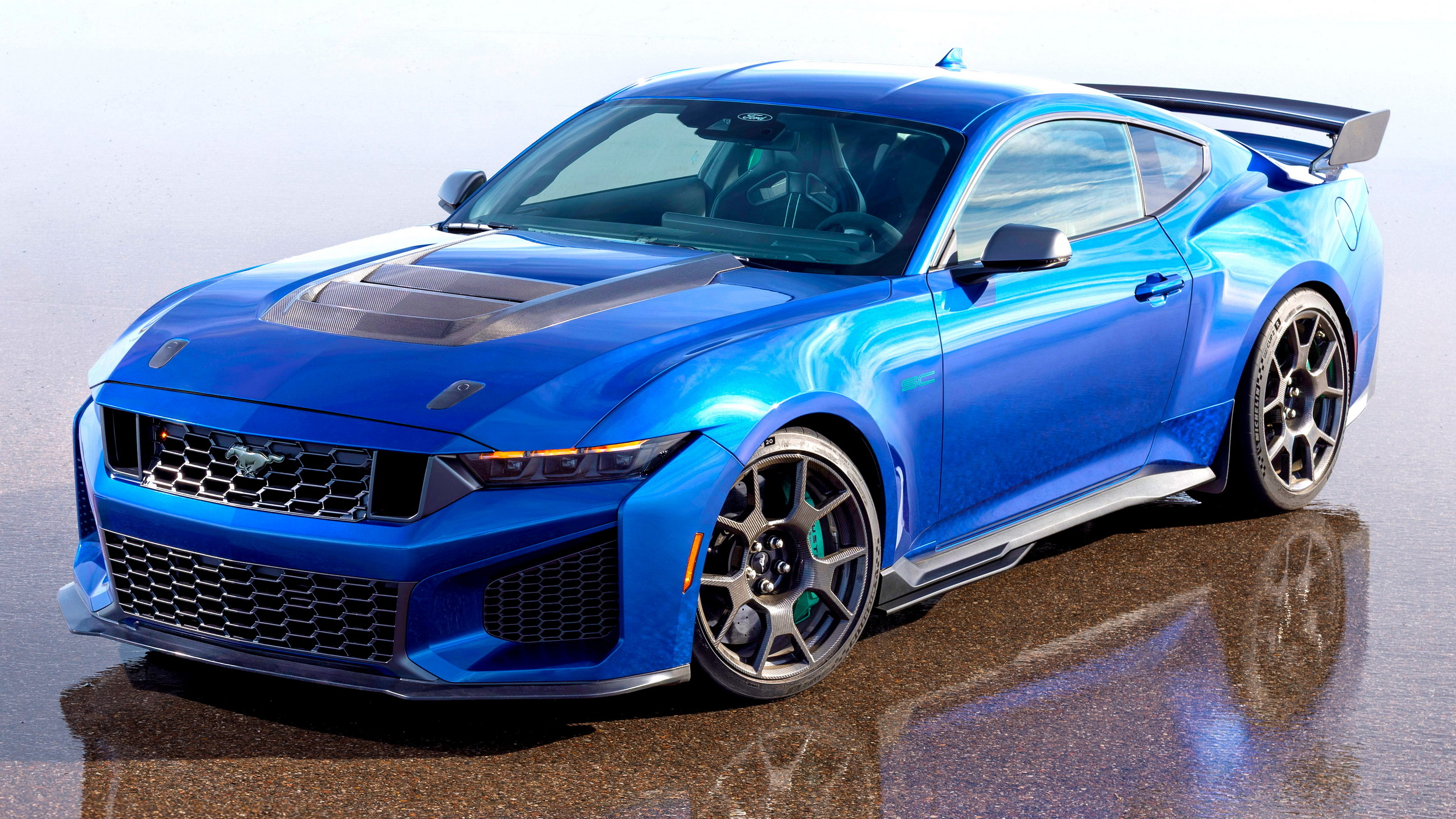
Ford Motor Company has reported a fivefold year-over-year jump in first-quarter 2026 net income, comfortably beating Wall Street estimates and prompting management to lift its full-year financial guidance.
The single biggest driver of the result was a one-time $1.3 billion tariff refund that landed during the quarter. Recent adjustments to U.S.-Canada-Mexico trade rules entitled Ford to a recovery on previously paid duties, and the cash hit the books in Q1. That one line item alone accounts for roughly three-quarters of the reported earnings spike.
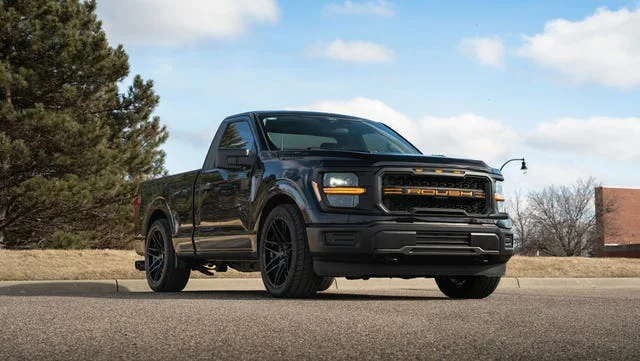
Speaking on the earnings call, Ford’s leadership was careful to anchor the raised guidance in underlying business performance, not the tariff windfall. The F-Series — and the F-150 in particular — held its ground in North America, while higher-margin trucks and SUVs like the Bronco and Mustang lineup pushed average transaction prices upward. Hybrid take-rates continued their climb, validating Ford’s “middle path” strategy of meeting customers where they actually are rather than betting the company on a hard EV-only timeline.
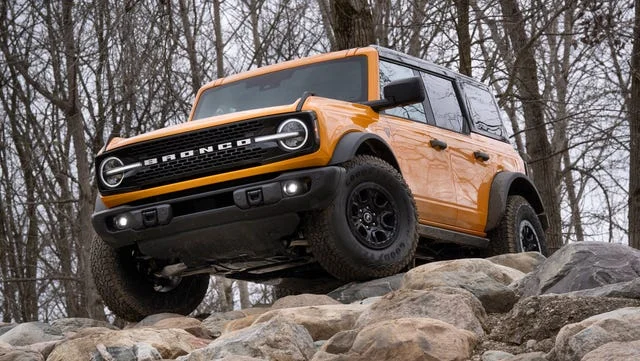
A notable data point buried in the quarterly report: the all-electric Mustang Mach-E outsold the internal-combustion Mustang for the period. It’s a symbolic milestone for one of America’s most iconic nameplates, and a sign that Ford’s EV transition still has consumer momentum even as competitors retrench.
Investors reacted positively, with shares moving higher on the print. Cash position improved and management reaffirmed its capital expenditure roadmap. The cautious note from analysts: the $1.3 billion refund is a non-recurring item, and Q2 through Q4 will need to demonstrate whether the operational strength behind the guidance hike is real or whether it was a tariff sugar high.
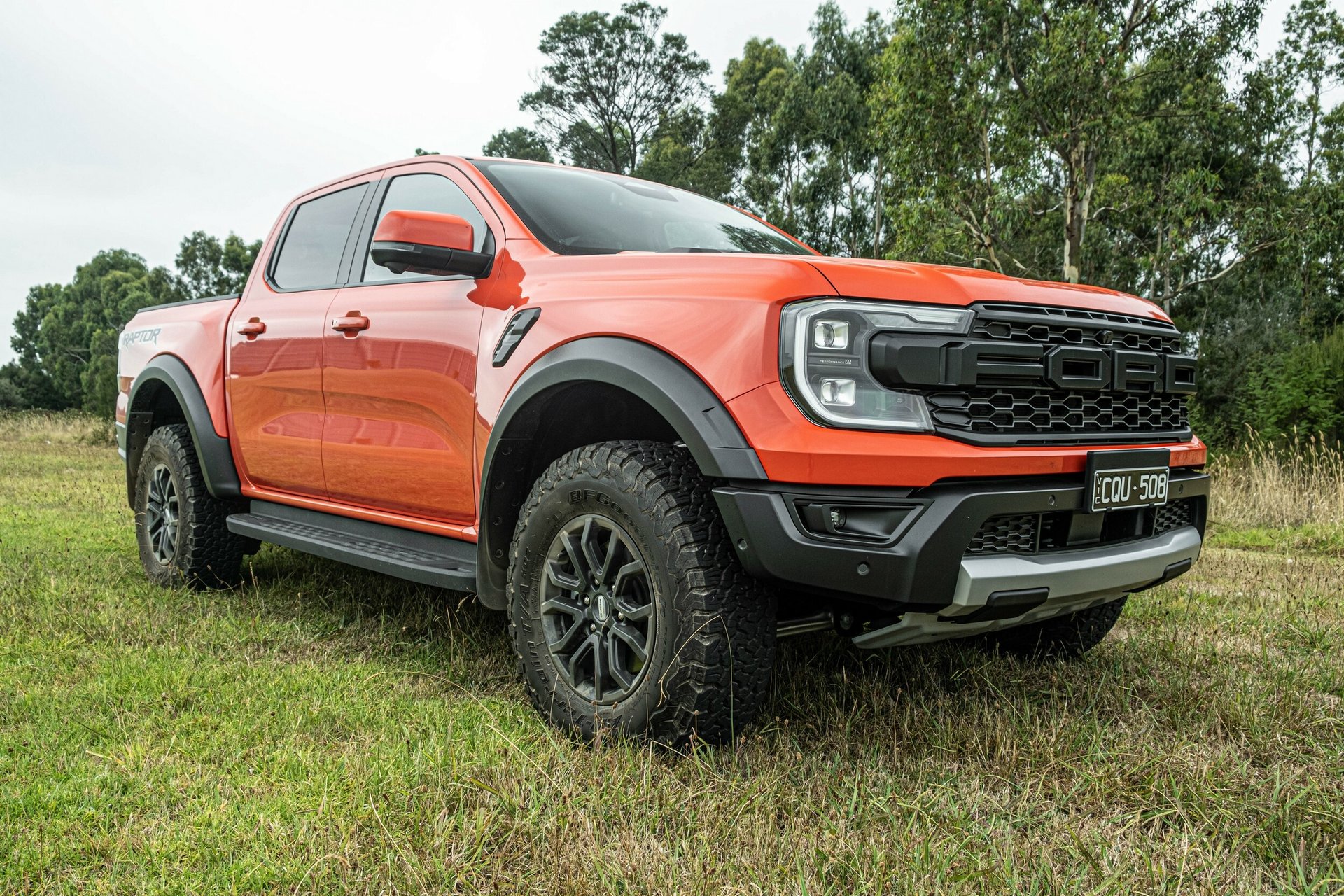
Ford’s results land in a quarter where the broader auto sector is grappling with rising interest rates and softening used-car demand. A strong print from one of the Detroit Three is a useful reference point for how OEMs with balanced portfolios — combustion, hybrid, and EV — are weathering conditions that have left pure-play EV manufacturers struggling.