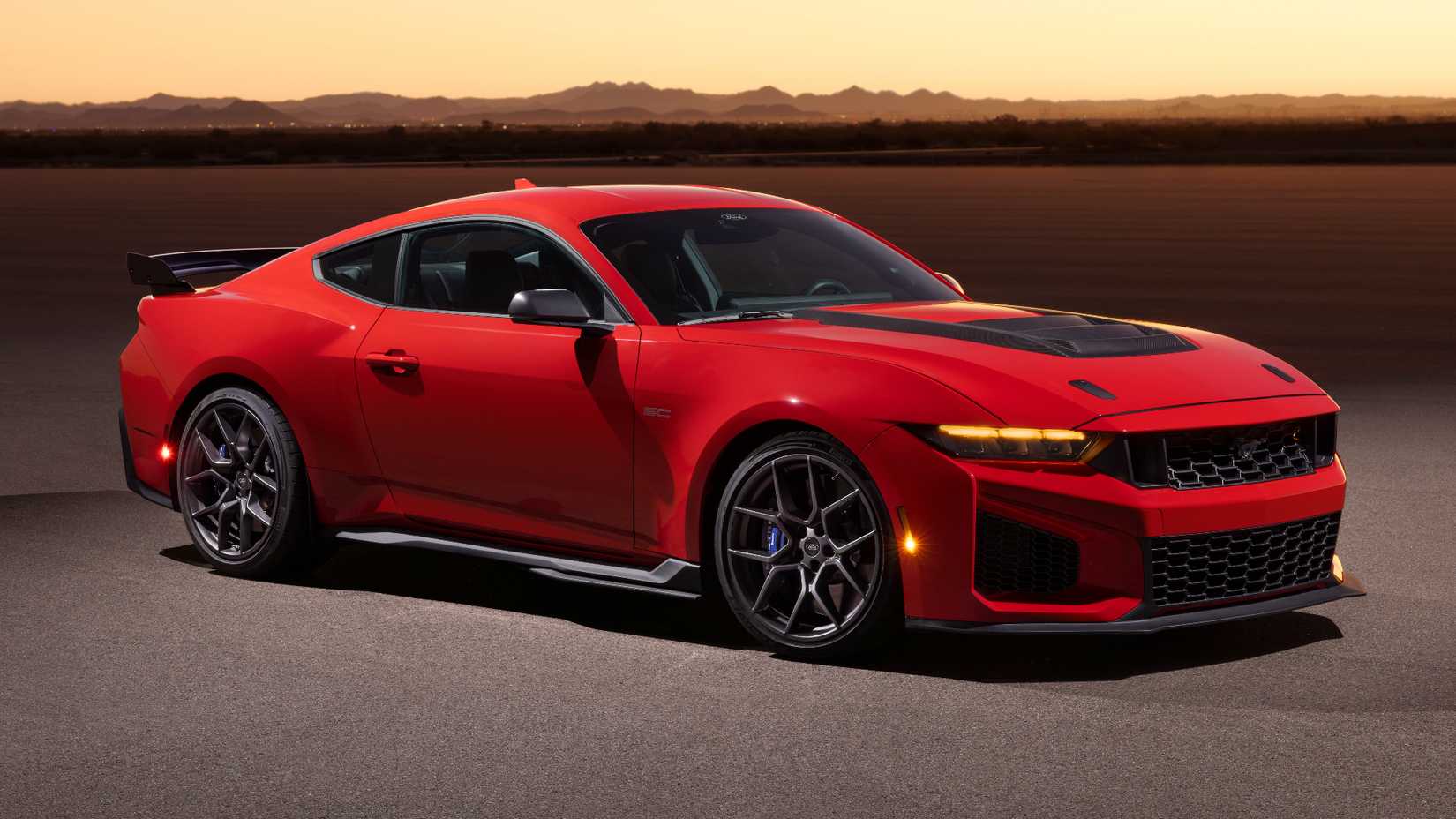
Ford has introduced the Mustang Dark Horse SC as the flagship of its performance lineup, notably without the iconic Shelby branding. This marks a significant shift for the brand, as Shelby has long been associated with the highest-performance Mustangs. The decision, according to industry reports, is largely financial, stemming from the licensing fees Ford paid for each vehicle carrying the Shelby name.
Sources indicate that Ford previously paid around $800 in royalties for every Mustang produced with the Shelby badge. Over the last generation, the cumulative cost for Shelby GT350, GT350R, and GT500 models reached tens of millions of dollars. With the new Dark Horse SC, Ford stands to save substantial sums by opting not to use the Shelby name, channeling those resources elsewhere in development or pricing strategy.
The Mustang Dark Horse SC takes over as the top-tier model in the S650 platform lineup, succeeding the previous Shelby GT500 in terms of performance. Powered by a supercharged V8 producing 795 hp (593 kW), the Dark Horse SC starts at $103,490 in the US market. While it lacks the Shelby branding, Ford emphasizes that this is an intentional move to align the car more closely with its motorsport ambitions and to sharpen its identity as a direct rival to established sports cars like the Porsche 911.
Ford’s approach with the Dark Horse SC reflects a broader strategy to strengthen the Mustang’s standalone identity while maintaining a focus on high-performance models. CEO Jim Farley has been vocal about his vision for Mustang as a genuine competitor in the global sports car segment. The introduction of models like the GTD and the Dark Horse SC supports this direction. According to Shelby American president Gary Patterson, naming trends in the Mustang lineup have always been cyclical, with names like Boss, Mach 1, Bullitt, and Cobra appearing at different times. This suggests that the Shelby name could return in future iterations when market conditions or product strategy make sense.
The absence of the Shelby badge on the latest top-tier Mustang is a notable change, but it is rooted in pragmatic business decisions rather than a shift away from the performance legacy. Ford’s choice to reserve millions in royalty payments may allow for more aggressive investment in engineering and marketing, potentially making the Dark Horse SC a more compelling product in its segment. While some purists may lament the lack of the Shelby moniker, the technical credentials of the Dark Horse SC position it as a serious contender. In a market where heritage and value both matter, Ford’s strategy will be tested by how well the new flagship resonates with enthusiasts and new buyers alike. It would not be surprising to see the Shelby name resurface when the timing fits Ford’s evolving performance strategy.