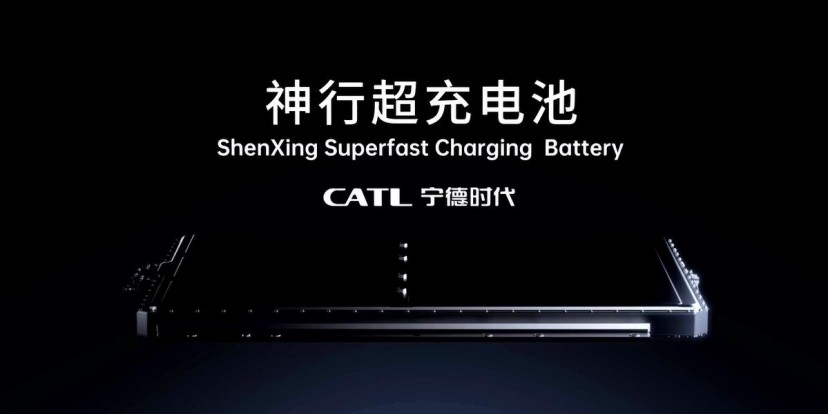
CATL has introduced its new Shenxing 3 and Qilin 3 batteries, claiming a significant leap forward in electric vehicle charging speeds and driving range. According to the company, the Shenxing 3 battery can be charged from 10 to 98 percent in just 6.5 minutes, marking a new benchmark in the industry. The announcement comes as carmakers and suppliers race to close the gap between electric and internal combustion vehicles on refueling convenience.
The Shenxing 3 battery is engineered for rapid charging, achieving a 10C charging rate. CATL states that the battery can go from 10 to 80 percent in only 3 minutes and 44 seconds. Even under extreme cold, with temperatures as low as -30°C, it reportedly can charge from 20 to 98 percent in about nine minutes. Importantly, CATL claims that these rapid charging cycles do not significantly impact the battery’s long-term lifespan, with the battery retaining more than 90 percent of its capacity after 1,000 full cycles.
In addition to charging performance, the company unveiled the Qilin 3 battery, which offers up to 1,000 kilometers of range while weighing just 625 kg. This lighter battery pack is expected to enhance efficiency, acceleration, braking, and handling in future electric vehicles. CATL also previewed a Qilin Condensed battery, promising a potential range of up to 1,500 kilometers in a sedan and over 1,000 kilometers in a full-size SUV.
CATL emphasized that the Shenxing 3 and Qilin 3 batteries are designed for real-world production vehicles. The company anticipates these batteries will appear in commercial models within the next year. Meanwhile, the Qilin Condensed battery remains in development, and CATL’s sodium-ion battery is scheduled for mass production by the end of 2026.
These advances address persistent concerns around charging time and range anxiety, two of the principal barriers to wider EV adoption. By enabling near gas-station convenience and extended travel distances, CATL is positioning itself at the forefront of battery technology innovation for the automotive market.
From an industry perspective, CATL’s rapid progress in fast-charging and high-capacity battery development reflects the accelerating pace of competition in electric mobility. The practicality of charging a battery almost as quickly as filling a fuel tank could transform user experience and purchasing decisions. While the real-world rollout and affordability of these batteries remain to be seen, the promise of shorter charging times and longer ranges directly targets core consumer hesitations. If CATL can deliver these capabilities at scale, its technology could become a reference point for future electric vehicles and influence how automakers approach battery integration and vehicle architecture.