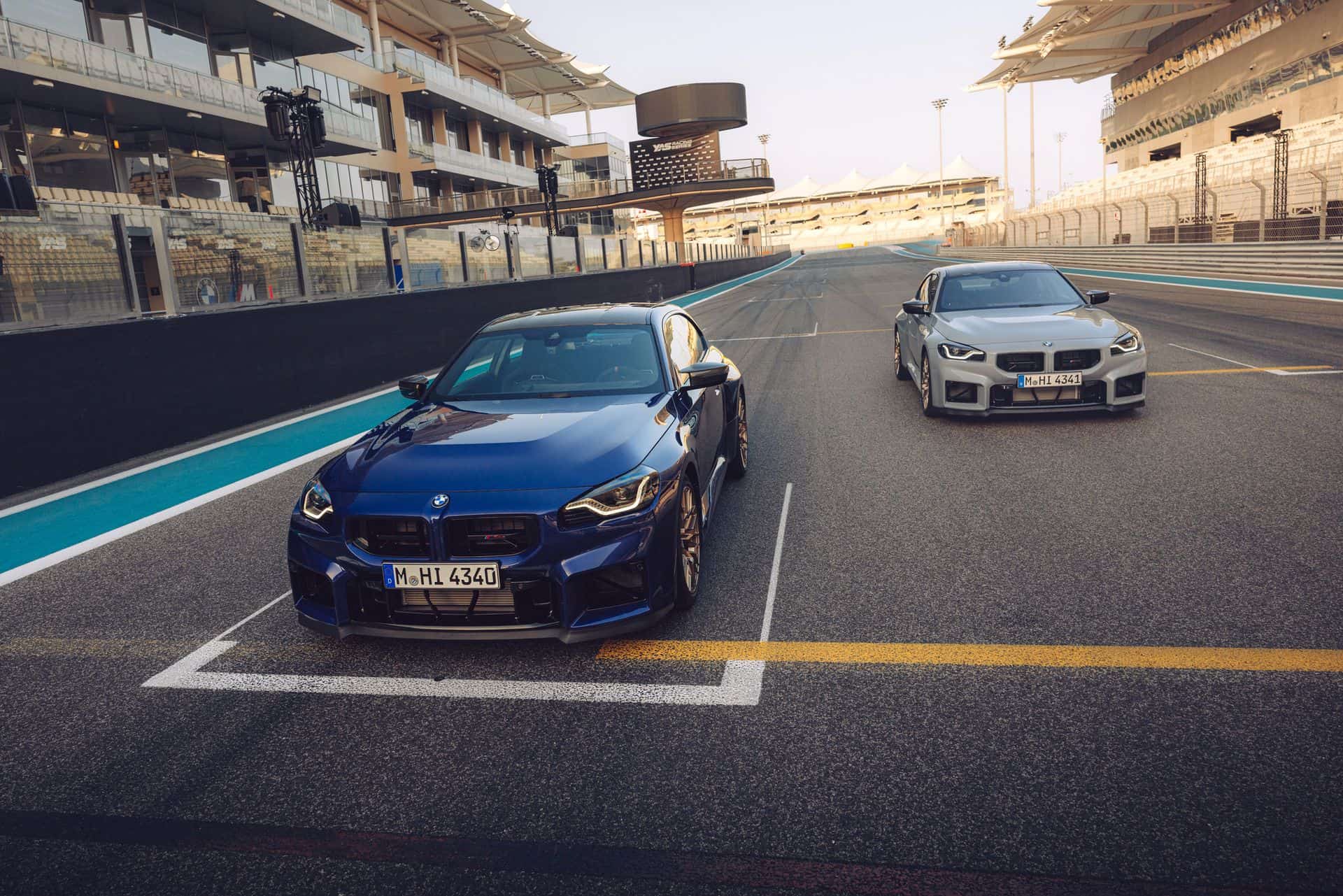
The BMW M2 has emerged as a prime choice in the used sports car market for drivers seeking an authentic, engaging experience under $40,000. In a segment increasingly dominated by technology and digital interfaces, the first-generation BMW M2 stands out by offering a rare blend of analog charm and modern usability.
Many contemporary performance cars focus on software-driven enhancements, synthetic engine sounds, and substantial curb weights. While these advances have produced faster and more capable machines, they often come at the expense of direct feedback and connection. The BMW M2, especially in its original N55-powered version, goes against this trend. Its turbocharged 3.0-liter inline-six delivers 365 hp and 465 Nm of torque, channeled through a rear-wheel drive platform that prioritizes driver involvement above outright numbers.
What sets the M2 apart from modern competitors is its compact size and balanced chassis. At 175.9 inches long and with a 106.0-inch wheelbase, it occupies a sweet spot between agility and stability. The car’s relatively low weight, around 1,495 kg in manual form, contributes to its nimble character. The result is a coupe that feels responsive and eager to change direction, providing a level of engagement that larger, heavier vehicles struggle to match.
Despite using electrically assisted steering, the M2 offers commendable feedback. The steering weight builds naturally with speed, and the system communicates road surface changes and grip levels clearly. Turn-in is sharp, and the chassis responds immediately to driver inputs, making it easy to place the car accurately on the road. This sense of control and mechanical connection is increasingly rare in today’s market.
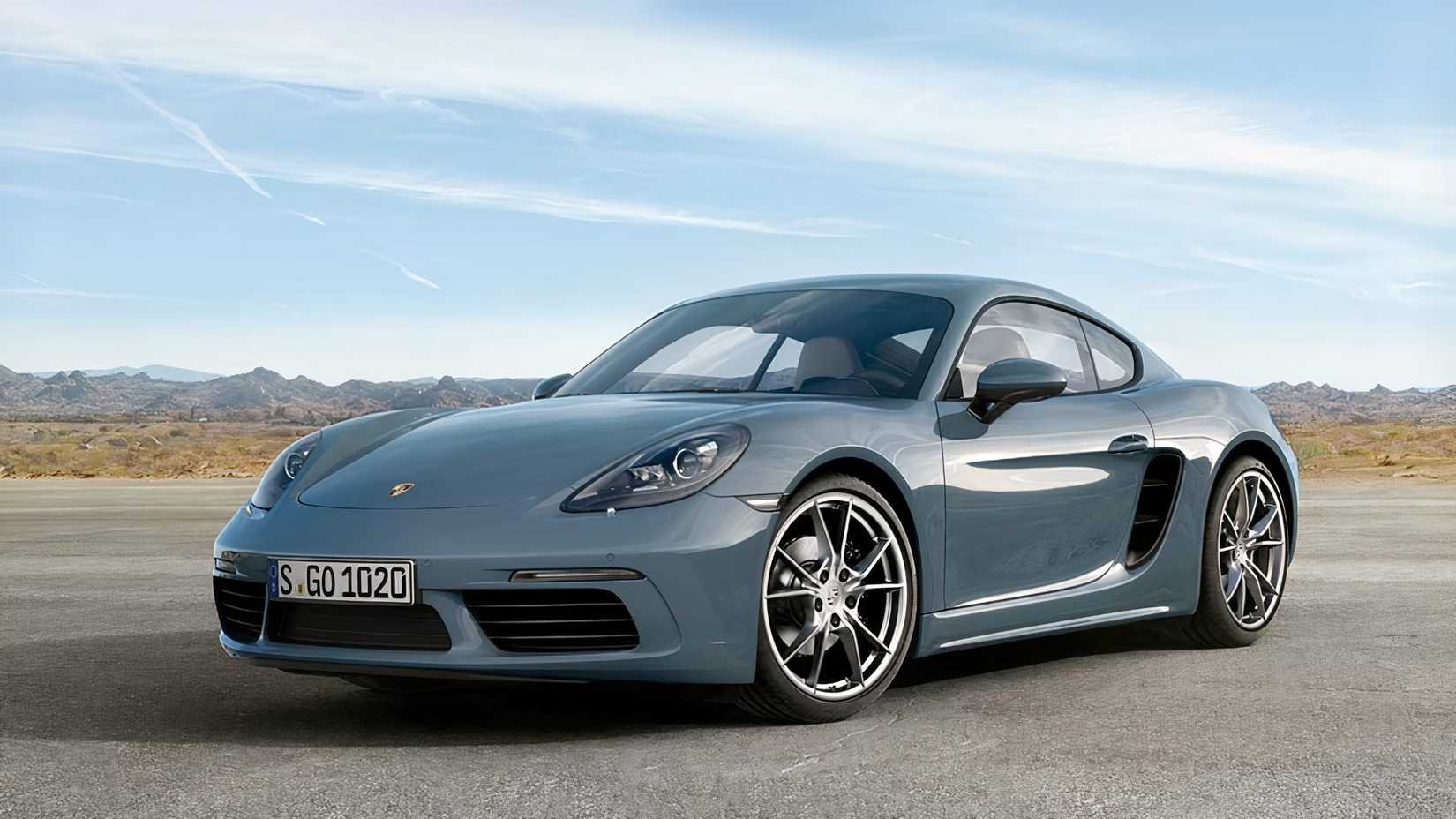
The M2’s appeal extends beyond its performance credentials. Its suspension, while firm, remains comfortable enough for daily use, absorbing imperfections without harshness. The cabin features supportive seats, quality materials, and a straightforward infotainment system. Visibility is good, the footprint is manageable, and there’s sufficient trunk space for practical needs. This balance of livability and excitement is a key factor for buyers looking to enjoy their car both on daily commutes and weekend drives.
With clean examples now available below $40,000, the M2 offers significant value. Buyers are not forced to choose between outdated high-performance models and newer, less engaging cars. Its 0-100 km/h time of around 4.2 seconds (with the dual-clutch transmission) and a top speed limited to 250 km/h place it firmly in sports car territory. The robust N55 engine and BMW’s engineering pedigree add to its appeal, reducing concerns about reliability compared to some older rivals.
The BMW M2 addresses a clear gap in the modern sports car landscape: delivering genuine driver enjoyment without excessive digital interference or impractical compromises. Its compact size, mechanical feedback, and balanced chassis offer qualities that are becoming increasingly scarce. While newer models may offer more technology or outright speed, few provide the same level of involvement at this price point. For enthusiasts seeking a blend of everyday usability and a rewarding driving experience, the M2 remains a standout option in the used market. As the industry moves further toward electrification and automation, cars like the M2 will likely become even more sought-after by those who value the fundamentals of driving.