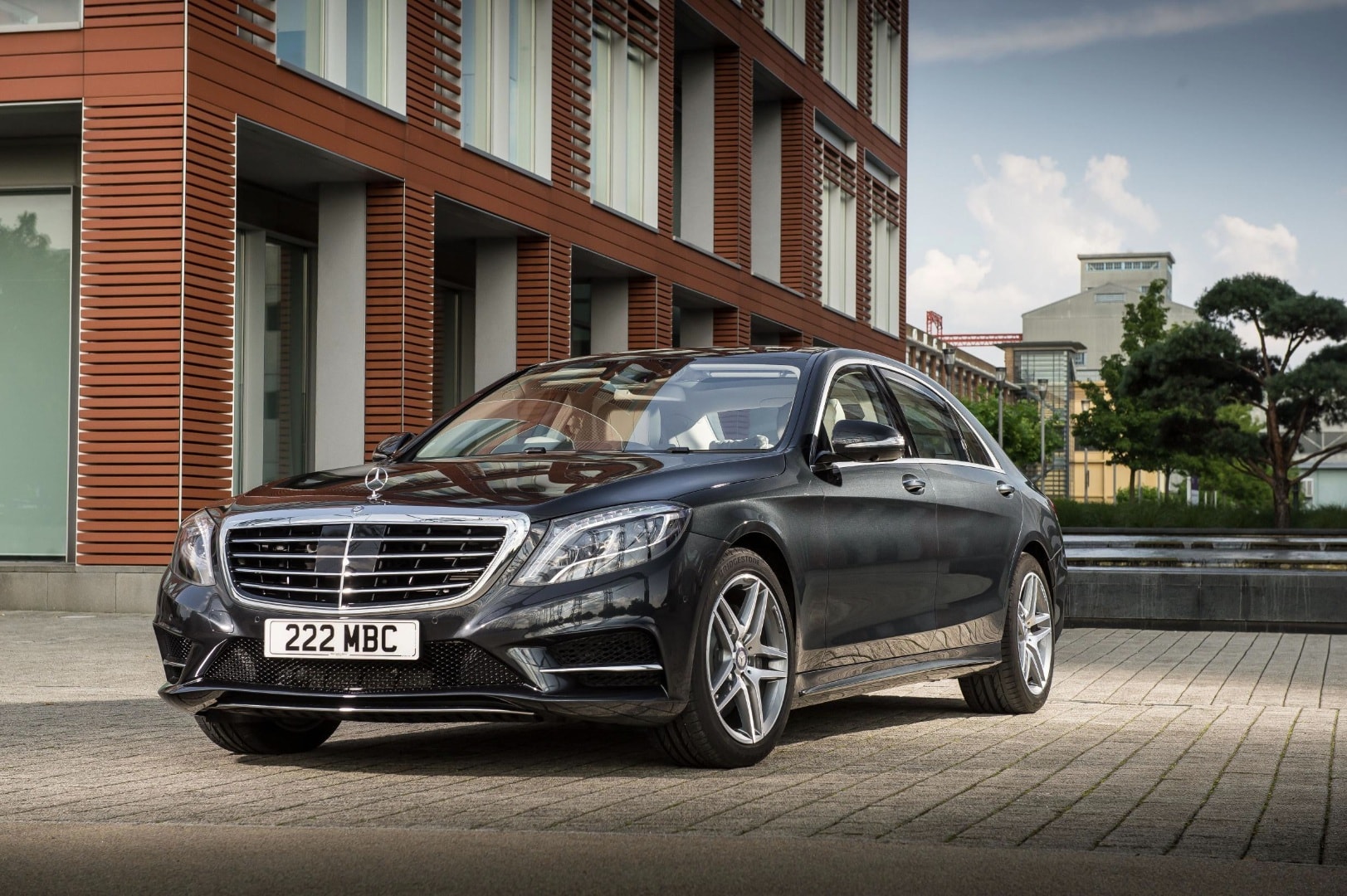
Mercedes-Benz has announced a strategic partnership with Samsung SDI to provide battery cells for its upcoming generation of electric vehicles, marking a significant change in its supply chain. This move will see the German automaker transition from its current supplier, CATL, to Samsung SDI’s advanced nickel, cobalt, and manganese (NMC) battery technology, beginning with models produced from 2028 onward.
The agreement, finalized earlier this week, is set to ensure a reliable supply of high-density NMC battery cells. According to Samsung SDI, these batteries are engineered to deliver improved energy density, extended service life, and consistent performance—attributes that are increasingly important for premium EV customers. Mercedes’ future electric models based on the Mercedes Modular Architecture (MMA) platform, which is expected to underpin a range of compact and mid-size SUVs as well as select coupe models, will be among the first to benefit from this technology.
Mercedes-Benz currently equips loveral of its electric vehicles, such as the CLA 250+ and CLA 350 4Matic, with NMC battery packs sourced from CATL. The recently introduced electric C-Class features a 94.5 kWh NMC battery, offering a claimed range of up to 472 miles (760 km). The Mercedes VLE, another all-electric model, utilizes a larger 115 kWh NMC battery pack. The shift to Samsung SDI is expected to further enhance these specifications, although Mercedes has not specified an exact rollout date for the new battery packs.
Within the electric vehicle sector, battery chemistry plays a crucial role in determining range, performance, and longevity. NMC batteries, such as those supplied by Samsung SDI, are favored by premium brands due to their higher energy density, which translates to longer driving ranges without increasing the size of the battery pack. In contrast, lithium iron phosphate (LFP) batteries are generally more durable and allow for more frequent full charges, making them suitable for daily-use vehicles, albeit with less range potential than NMC packs.
Samsung SDI’s new collaboration with Mercedes-Benz is positioned as a move to strengthen its global presence in the EV battery market. The partnership also highlights the growing role Asian battery manufacturers play in the European automotive industry, as premium brands seek to secure advanced battery technologies to meet evolving consumer demands.
This partnership signals a deliberate shift by Mercedes-Benz to secure its electric future with high-performance battery technology. By aligning with Samsung SDI, Mercedes is positioning itself to deliver longer range and improved reliability in its next-generation EVs, addressing key concerns for premium buyers. The decision to move away from CATL reflects the brand’s intent to diversify its supply chain and potentially mitigate risks associated with sourcing from a single region. As the competition in the EV market intensifies, the focus on advanced NMC chemistry could provide Mercedes with an edge in both range and charging performance. However, the balance between energy density and long-term durability will remain a point of consideration, especially as LFP batteries gain traction for daily-use models. Looking ahead, the success of this strategy will depend on Mercedes’ ability to integrate Samsung’s technology seamlessly and deliver on its promises of range and performance, especially as rivals continue to innovate in both battery chemistry and vehicle design.