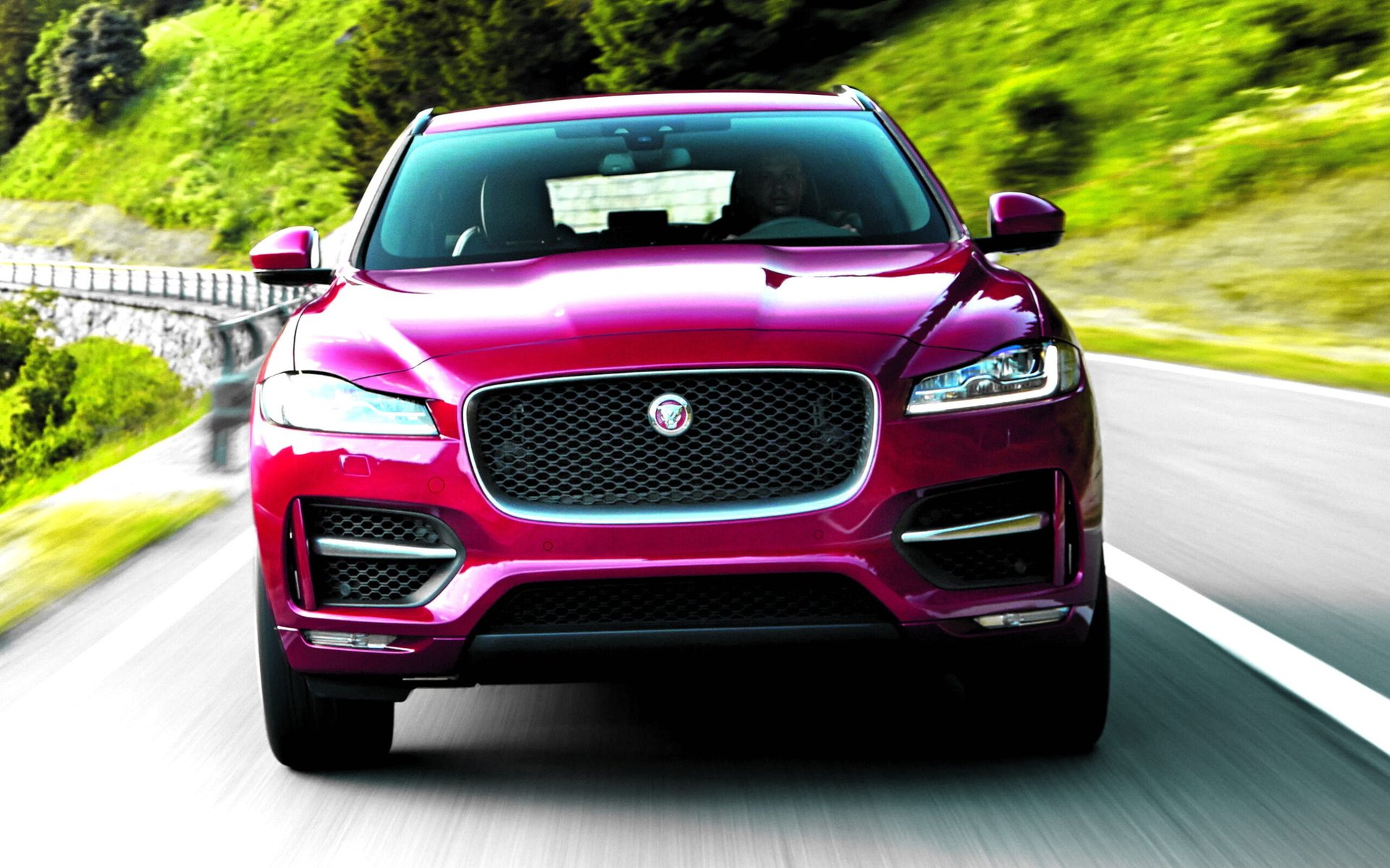
Jaguar Land Rover has announced a recall impacting over 170,000 vehicles across its Land Rover and Jaguar lineups after a National Highway Traffic Safety Administration (NHTSA) review classified a persistent electrical fault as a safety risk. The issue, which centers on a faulty DCDC converter in mild hybrid models, has prompted one of the largest recalls in the brand’s recent history.
The recall covers multiple model years from 2019 to 2024 and includes popular SUVs such as the Range Rover, Range Rover Sport, Defender, Velar, Evoque, Discovery, Jaguar F-Pace, and Jaguar E-Pace. Only vehicles equipped with mild hybrid drivetrains are affected. The DCDC converter is responsible for charging the 12V electrical system, similar to how an alternator works in a traditional vehicle.
When the DCDC converter fails, drivers are first alerted by a red warning reading ‘Stop Safely Electrical Fault Detected.’ If this warning is ignored, vehicle systems begin to shut down sequentially: first, advanced driver aids turn off, followed by suspension warnings, and eventually, the transmission may shift to neutral. Prolonged operation can result in engine shutdown and even loss of exterior lighting, leaving the vehicle stranded.
Jaguar Land Rover reportedly received nearly 6,000 field reports related to this issue in the U.S. alone. Despite the volume of complaints, the automaker initially judged the gradual onset of symptoms as a non-safety issue. However, after an NHTSA review, regulators determined it was indeed a significant safety concern, forcing the manufacturer to initiate the recall.
At this time, there have been no reported injuries, accidents, or fires linked to the defect. However, JLR has yet to develop a solution for the affected vehicles. This leaves many owners of high-end SUVs in a difficult position, as they await further guidance on when and how their vehicles will be fixed.
From an editorial standpoint, this recall underscores the growing complexity of electrified drivetrains and the challenges manufacturers face in diagnosing and resolving technical failures. The scale of the recall, coupled with the lack of an immediate fix, places added pressure on Jaguar Land Rover to prioritize customer safety and communication. As regulators continue to scrutinize electrified vehicle safety, it’s likely that thorough system monitoring and proactive recall strategies will become even more critical for luxury automakers. Consumers in the premium segment, who expect reliability and responsive support, will be watching closely for JLR’s next steps.