Hertz’s use of artificial intelligence to assess vehicle damage is under renewed scrutiny following criticism from Jack Schlossberg, the grandson of former U.S. President John F. Kennedy. Schlossberg, currently running for Congress, has called for a federal investigation into whether Hertz’s AI-based system unfairly charges renters for damages that may be difficult or impossible to see with the naked eye.
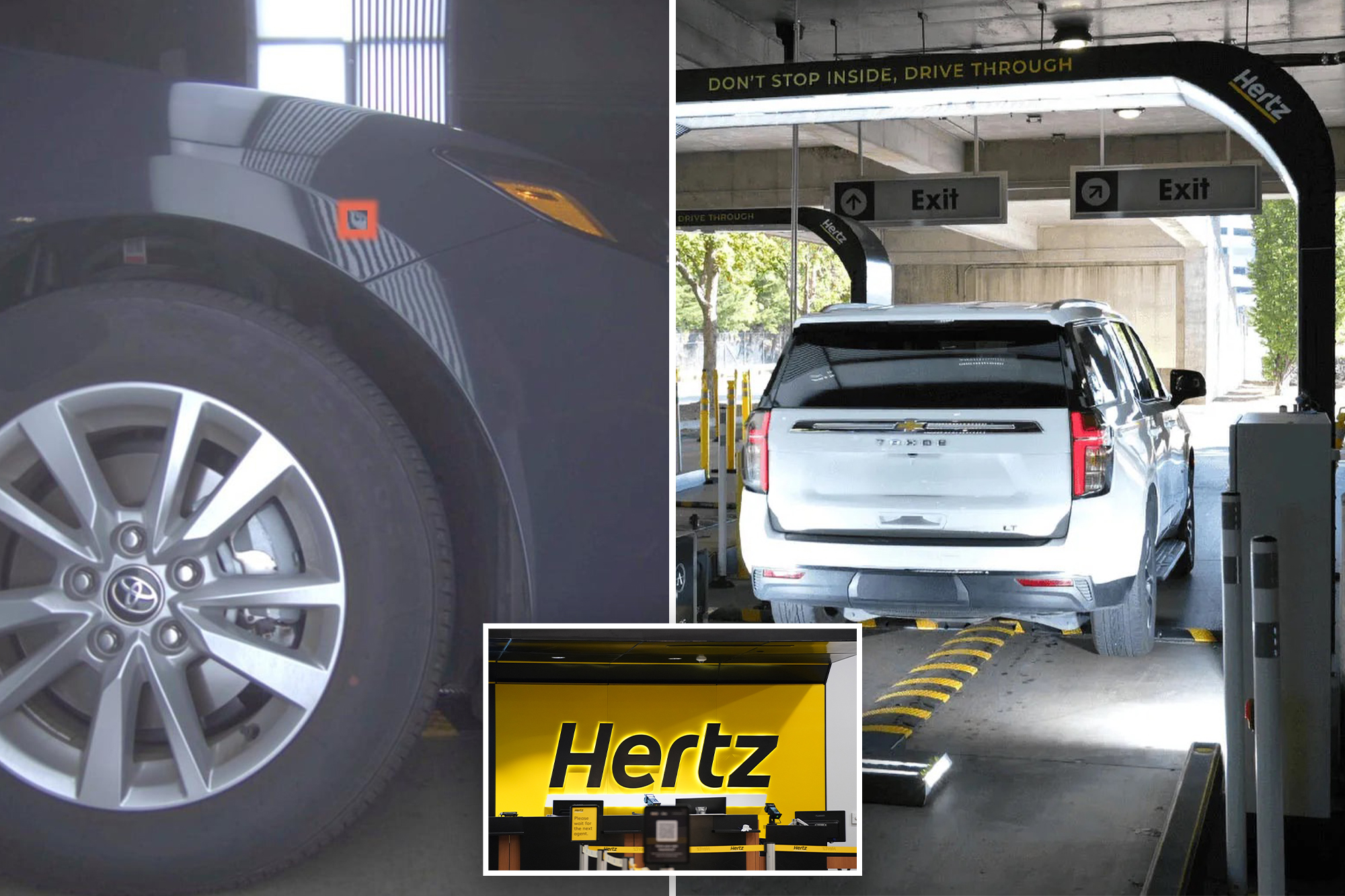
Hertz implemented the UVEye scanning system last year, which automatically inspects vehicles as they leave and return to rental centers. The AI compares pre- and post-rental images, flagging any discrepancies as potential damage. While Hertz claims this approach increases accuracy and reduces disputes, a number of customers have voiced concerns about being held responsible for damage they argue is either minimal or undetectable.
Schlossberg’s request for an investigation was aimed at the Federal Trade Commission (FTC), but the agency has publicly declined to comment on the existence or status of any investigation. FTC Director of Public Affairs Joseph Simonson further clarified that the commission does not act upon demands from political candidates and emphasized that no formal probe has been confirmed or announced.
Customer frustrations primarily center around the perceived opacity of the AI process and challenges in disputing charges. While some renters have presented photographic evidence to support their complaints, there is currently no comprehensive data indicating a systemic problem of false positives or widespread abuse related to the UVEye system.
Hertz maintains that the AI scanning system is designed to protect both the company and its customers by providing objective documentation of a vehicle’s condition. The co
mpany reports that over 97% of UVEye scans result in no additional charges to renters, suggesting that most transactions proceed without issue. According to Hertz, the AI reduces ambiguity and reliance on rushed visual inspections, which can be inconsistent or incomplete.
The introduction of AI technology in rental car inspections reflects a broader industry trend toward automation and digital verification. While these systems promise increased efficiency and fairness, the ongoing debate highlights a need for clearer communication, transparent dispute processes, and independent verification of AI performance. Lawmakers and consumer advocates continue to monitor the situation, though concrete regulatory action remains uncertain at this stage.
Hertz’s adoption of AI-driven vehicle inspection aligns with the automotive industry’s push toward digital solutions, aiming to standardize and streamline the rental process. However, the controversy underscores an important tension: the balance between technological efficiency and consumer protection. While early data from Hertz suggests most customers are unaffected, high-profile complaints and unresolved disputes risk eroding trust if not carefully managed. As AI becomes more deeply integrated into car rentals, rental companies will need to ensure that transparency and accessible dispute resolution remain priorities. Close attention from regulators and consumer groups will likely persist, especially as the technology matures and its real-world impact becomes clearer. If Hertz and its competitors can demonstrate the reliability and fairness of these systems, AI-based inspections may become the norm across the industry. Until then, open dialogue and independent oversight will be key to maintaining customer confidence.