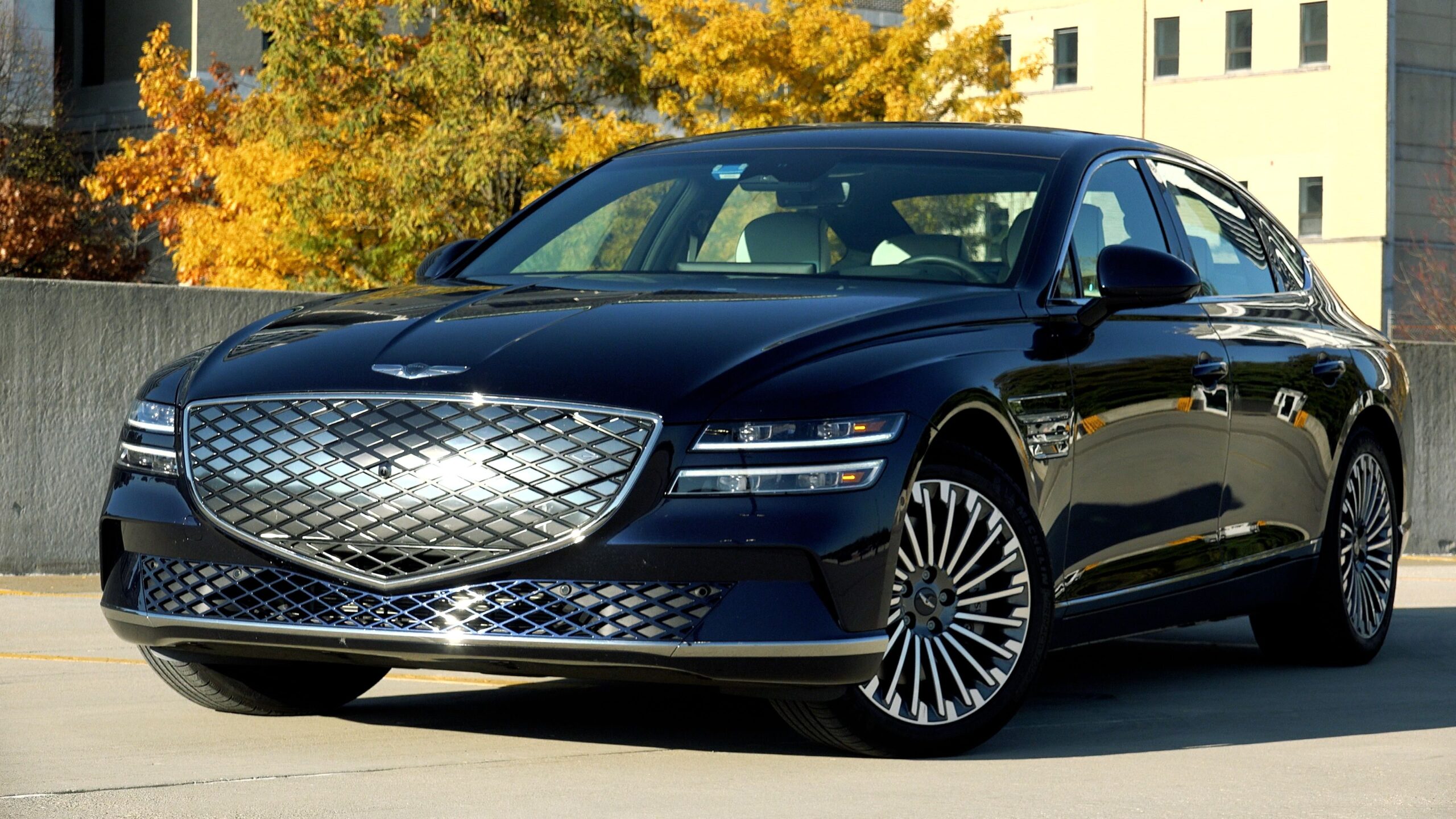
The Genesis G80 is reshaping expectations in the midsize luxury sedan segment by offering a compelling mix of quality, reliability, and value at a price point that undercuts established German rivals. As luxury car prices continue to climb, the G80 stands out by delivering much of the same—or better—experience without the inflated costs often associated with premium European brands.
In recent years, the gap between luxury sedan prices and their actual offerings has widened. Models like the BMW 5 Series and Mercedes-Benz E-Class now start above $60,000, with well-equipped versions easily exceeding $75,000 before taxes. These increases outpace inflation and are not always matched by improvements in reliability or ownership experience. Industry data shows that, despite higher costs, mainstream rivals sometimes surpass these German sedans in quality ratings, challenging the traditional notion that a premium badge guarantees a superior product.
One factor contributing to the high cost of German luxury cars is the prevalence of costly options. Features such as premium paint, advanced seating packages, and adaptive suspension systems are often not included in the base price. For example, a 2026 Mercedes-Benz E 350 Sedan can approach $77,000 with just a handful of popular add-ons. This approach contrasts sharply with the Genesis G80, which offers a straightforward trim structure and minimal optional extras, keeping the purchasing process transparent and the final price competitive.
True luxury vehicles are judged by tangible qualities such as ride comfort, interior materials, and technology integration. The Genesis G80 excels here, with high-quality open-pore wood trim, a 27-inch OLED display that serves as both instrument cluster and infotainment system, and a focus on cabin refinement. The G80’s interior, even in base trim, delivers the kind of fit, finish, and comfort expected in this segment. Unlike some competitors, Genesis avoids over-reliance on flashy screens or software gimmicks, prioritizing seamless integration and user-friendly technology.
Reliability is another crucial aspect often overshadowed in luxury car discussions. Recent data indicates the Genesis G80 outperforms many German rivals in both quality and projected repair costs. With only a 20 percent chance of major repair in five years and estimated repair expenses of $2,554, the G80 undercuts its competitors by a significant margin. Genesis also delivers a class-leading ten-year, 100,000-mile powertrain warranty, doubling the coverage offered by BMW, Mercedes, and Audi. This confidence in durability sets a new benchmark for the segment and reduces long-term ownership anxiety.
The rise of the Genesis G80 forces buyers to reconsider what truly defines a luxury vehicle. While established German brands continue to charge a premium largely based on brand heritage and perceived prestige, Genesis is gaining ground by focusing on substance—delivering measurable quality, reliability, and a transparent value proposition. The G80 may lack decades of lore, but its approach to pricing, equipment, and aftersales support makes it a serious contender for those seeking genuine value in a luxury sedan.
From an editorial perspective, the Genesis G80 represents a significant shift in the luxury car market. The model’s straightforward pricing, generous warranty, and high scores in reliability challenge long-standing assumptions about what buyers should expect from a premium sedan. While it may not yet have the brand cachet of its German rivals, the G80’s tangible strengths are difficult to overlook. For consumers increasingly skeptical about paying extra for badge prestige alone, Genesis offers a compelling alternative—one that could prompt other automakers to rethink their approach to value and customer confidence in the years ahead.