The U.S. Department of Justice is reportedly seeking records tied to more than 100,000 drivers who used EZ Lynk products, escalating a Clean Air Act dispute that now also raises major privacy questions.
According to the source report, prosecutors have subpoenaed Apple and Google for information connected to users who downloaded EZ Lynk’s Auto Agent app. Amazon and Walmart were also reportedly asked for records linked to hardware purchases.
The requests are tied to an ongoing Clean Air Act lawsuit involving EZ Lynk, a Cayman Islands-based company known for vehicle diagnostics, monitoring and tuning tools. The scale of the demand has drawn criticism from privacy advocates, who argue that identifying such a large number of users goes far beyond what is needed for the case.
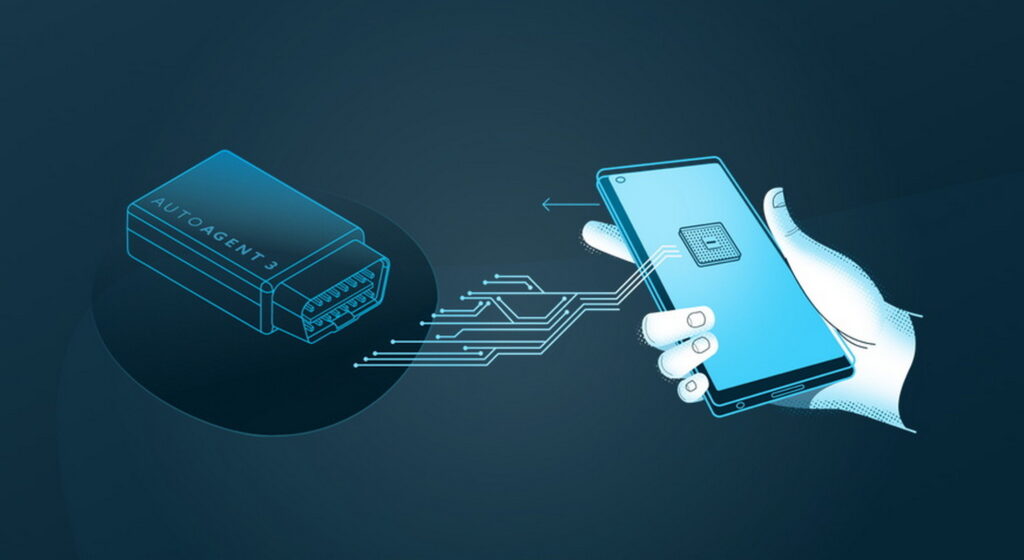
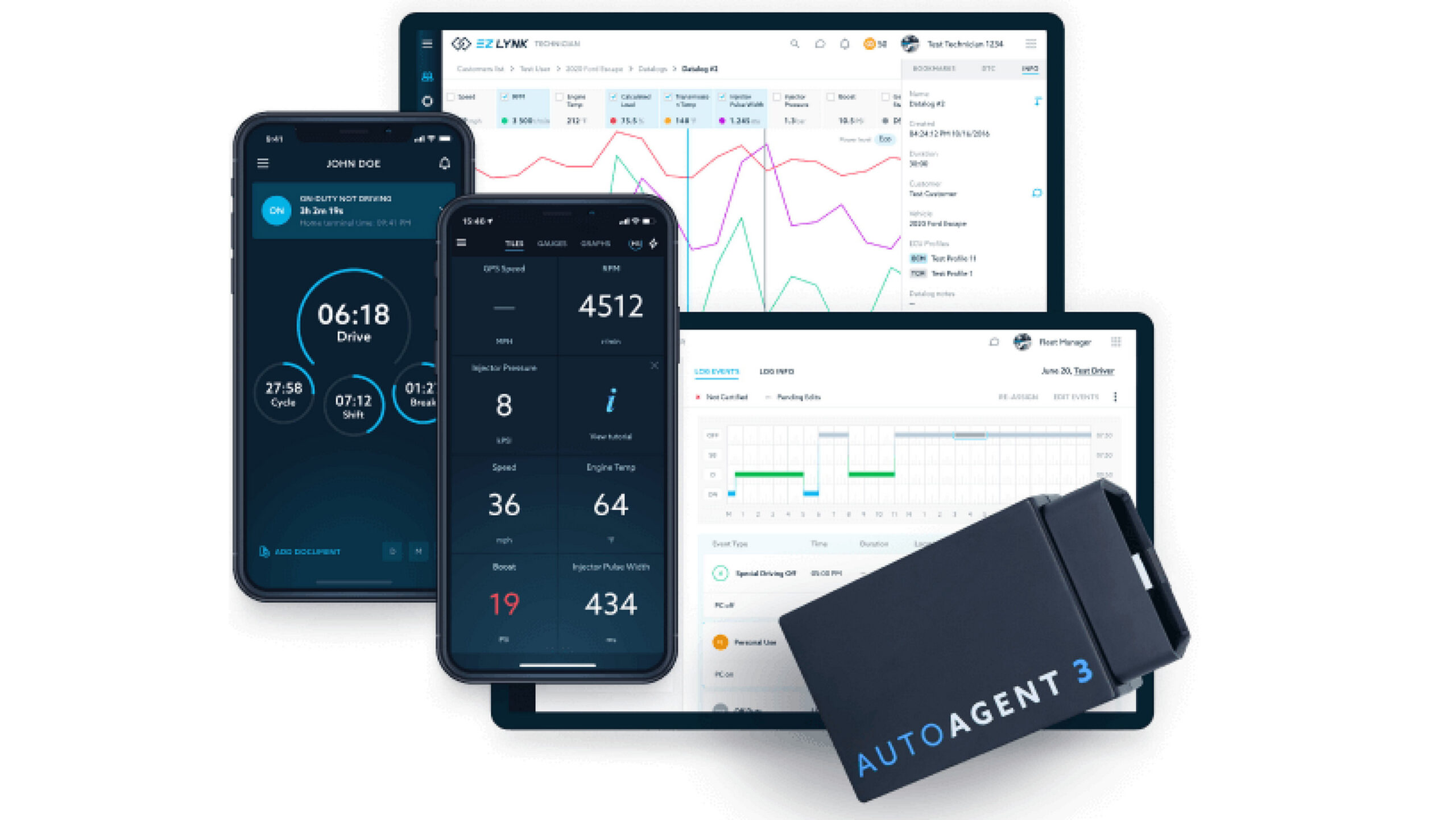
EZ Lynk’s Auto Agent app does not directly modify a vehicle by itself. Instead, it works as a platform that allows owners to connect an OBDII device, monitor vehicle data and interact with tuners.
The issue, according to the government’s position described in the report, is that the system could be used to deliver software tunes that disable or alter emissions-related systems. EZ Lynk argues that its technology can also be used for legal diagnostics, monitoring and tuning purposes.
The situation creates a difficult legal and practical question for the tuning industry. Many performance shops across the United States provide vehicle tuning services, but the DOJ appears to be focused on EZ Lynk’s digital ecosystem and the data trail created through its app and connected hardware.
Lawyers for EZ Lynk reportedly argue that the government does not need to identify every person who has used the product in order to investigate the claim. The company also says Apple and Google plan to challenge the data demand, while Walmart reportedly declined to comment.
The case also comes after the Trump administration signaled earlier in the year that it would stop pursuing criminal prosecutions related to emissions software tampering. The DOJ reportedly ordered such criminal cases to be dropped.
However, the EZ Lynk matter is not a criminal prosecution. It is a civil case, meaning it can continue even as the administration takes a softer stance on criminal enforcement. If the government proves its case, EZ Lynk could still face significant civil penalties.
Beyond emissions enforcement, the case has become a broader privacy issue. The reported subpoenas could expose data connected to app downloads and product purchases from a very large number of people, many of whom may have used EZ Lynk products only for legal diagnostics or monitoring.
That makes the dispute more than a fight over tuning software. It is also a test of how far federal investigators can go when seeking customer data from major technology and retail companies in automotive enforcement cases.