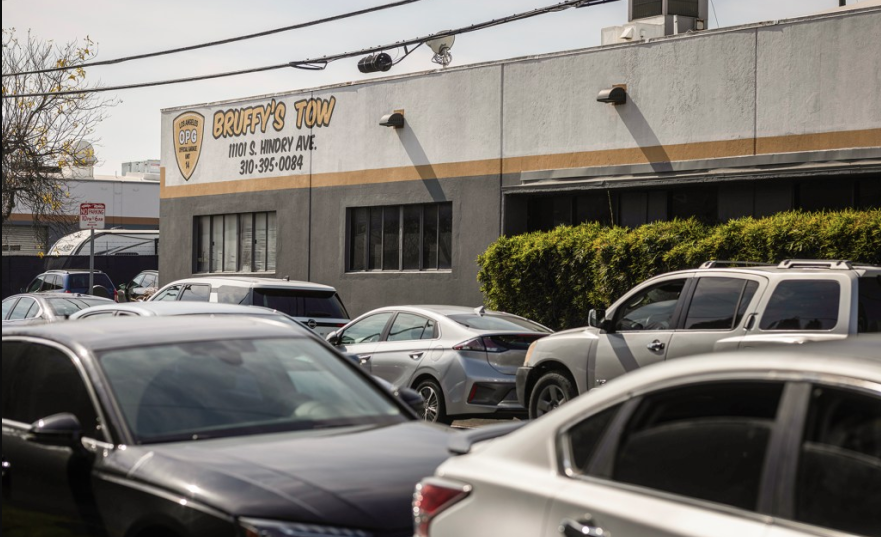
The California Department of Motor Vehicles (DMV) is under legislative scrutiny after it was revealed that the agency kept surplus proceeds from the auction of impounded vehicles without informing previous owners. A new bill in the state senate aims to change this practice, introducing measures to ensure vehicle owners are notified if their auctioned car fetches more than their outstanding debt.
In many cases, Californian drivers whose cars are towed and left unclaimed end up losing their vehicles at auction. While the proceeds first go to cover towing and storage debts, any remaining balance has, until now, been retained by the state if the owner did not claim it within three years. There has been no legal requirement for the DMV to notify former owners about these surplus funds.
Senator Kelly Seyarto has introduced a bill that would require the DMV to send certified mail notifications within 14 days of a lien sale resulting in surplus funds. This move follows reports that, between 2016 and late 2024, the DMV collected over $8 million from approximately 5,300 auctioned vehicles, much of which went unclaimed due to lack of communication. The proposed law seeks to close this consumer protection gap by ensuring that affected individuals are aware of money owed to them.
Following public attention on the issue, the DMV has launched an online tool allowing people to check if they have unclaimed funds from auctioned vehicles. While this is a step forward, lawmakers argue that pr
oactive notification is necessary to protect vulnerable consumers, particularly those who may not be aware of the process or lack internet access.
The bill, known as SB 1029, is advancing through the Senate Appropriations Committee and, as of now, faces no formal opposition. If passed, it would obligate the DMV to inform previous owners of any surplus funds and provide clear instructions for retrieving the money. The measure is designed to prevent the state from retaining funds that legally belong to individuals, addressing longstanding fairness concerns in California’s vehicle lien sale process.
The revelation that California’s DMV has been holding millions in surplus auction funds without notifying former vehicle owners highlights a significant gap in consumer protection. While the DMV’s recent introduction of an online tool is a reactive solution, the lack of formal communication leaves many individuals—often those already facing financial hardship—without recourse. The pending legislation, if enacted, will address this oversight by mandating timely, certified notifications and clear instructions for claims. This development is likely to set a precedent for greater transparency and accountability in state-managed asset sales, ensuring that vehicle owners receive what they are due. It remains to be seen how quickly and effectively the DMV will implement these changes if the bill becomes law, but the move signals a shift toward more consumer-centric policies in California’s public agencies.