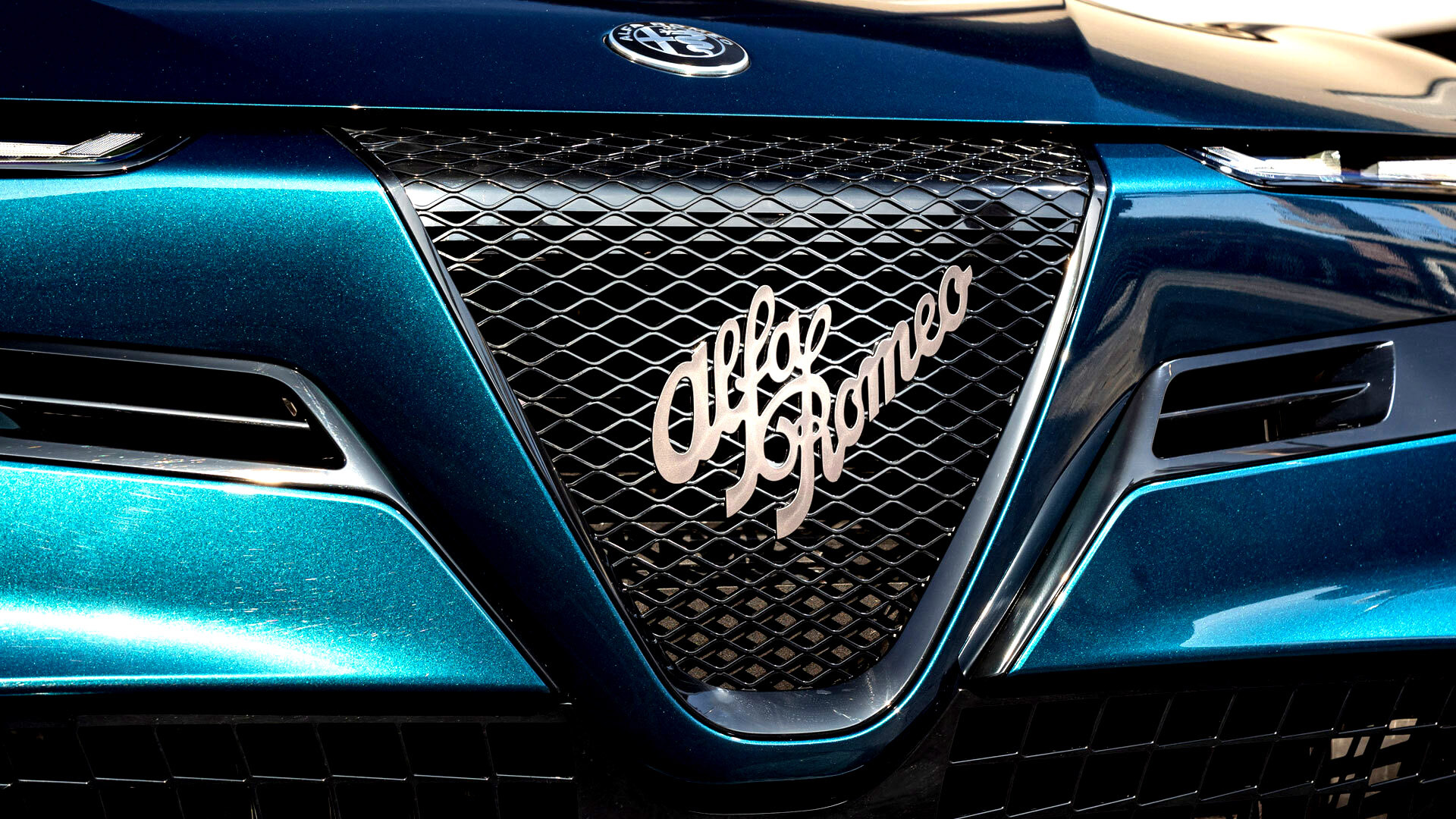
Alfa Romeo has decided to postpone the launch of the next-generation Giulia and Stelvio until 2028, shifting from its previous electric-only approach. The Italian brand will now offer the new models with a broader range of powertrains, including a high-output inline-six engine sourced from the Dodge Charger.
The revised Giulia and Stelvio will be built on the STLA Large platform, which supports both internal combustion and electric powertrains. This move follows market trends indicating that demand for electric vehicles is not growing as rapidly as anticipated, prompting Alfa Romeo to diversify its offerings in order to remain competitive globally.
The next Giulia and Stelvio will reportedly feature loveral powertrain variants. Entry-level models are expected to come with turbocharged four-cylinder engines incorporating mild hybrid technology. More notably, Alfa Romeo is considering the integration of a 3.0-litre twin-turbo inline-six engine, producing up to 550 hp, borrowed from the Charger Scat Pack. This would provide a significant performance boost and broaden the appeal of both vehicles.
In addition to combustion engines, plug-in hybrid and fully electric versions are in development. Although technical specifications for these variants remain under wraps, the STLA Large platform is engineered to accommodate substantial battery packs—ranging from 101 kWh to 118 kWh—and electric motors with outputs between 168 hp and 443 hp. While early rumours suggested a 1,000 hp tri-motor Quadrifoglio version, current indications point to more conservative figures, given no existing Stellantis model reaches that
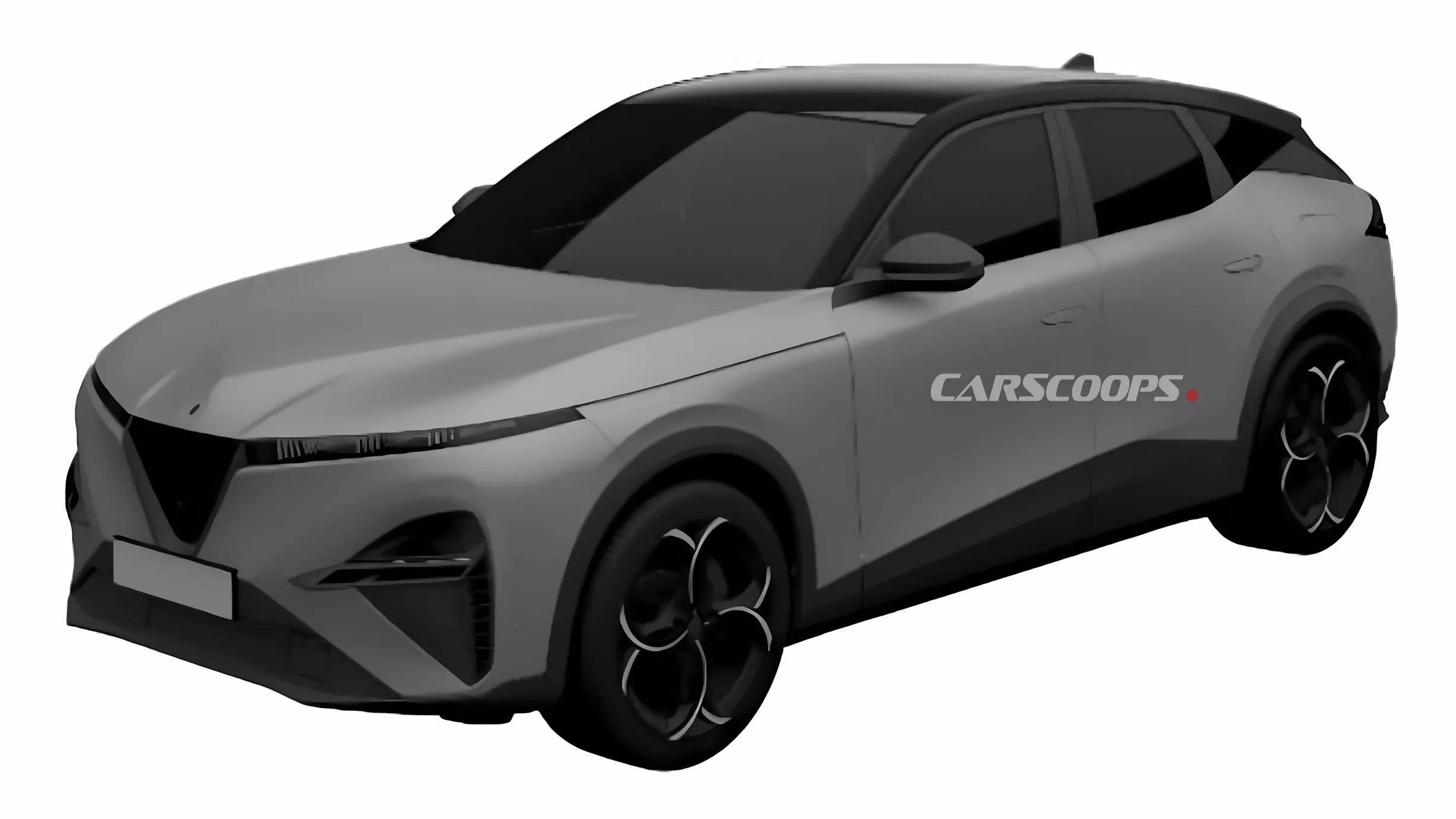
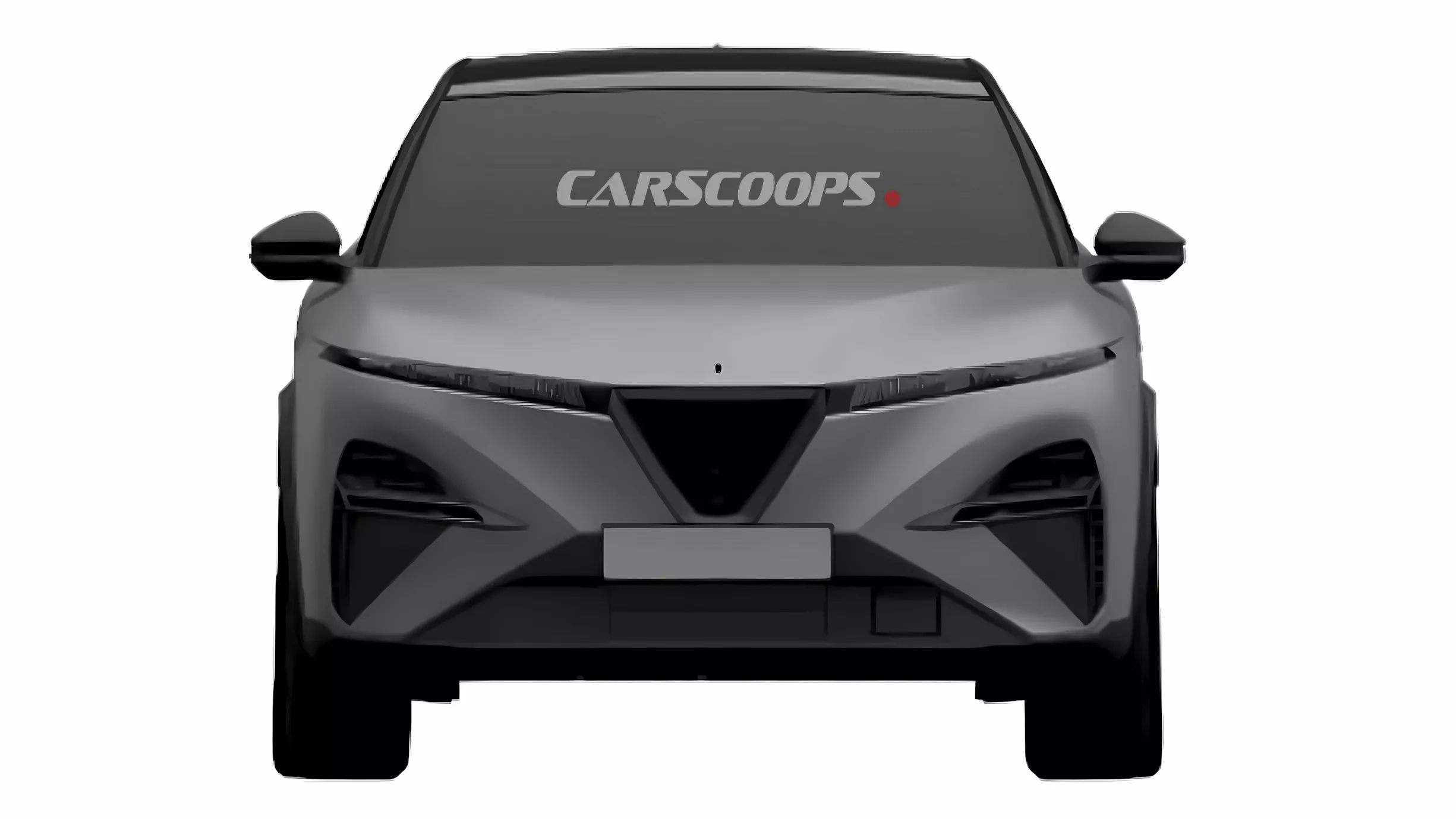
Alfa Romeo has reportedly reengineered both models to facilitate improved cooling for combustion engines. Patent images of the upcoming Stelvio reveal a refreshed front fascia, a functional grille, and slender headlights. The crossover will also feature pronounced wheel arches, plastic cladding, and a rounded roof, maintaining the model’s distinct visual identity while enhancing its technical capabilities.
The decision to delay the launch and expand the powertrain lineup stems from Alfa Romeo’s global outlook. CEO Santo Ficili stated that not all markets are prepared for a full transition to electric vehicles, highlighting the necessity for varied powertrains to satisfy diverse customer preferences. This approach aims to ensure the Giulia and Stelvio remain relevant and competitive in regions where electrification is progressing at different rates.
Alfa Romeo’s move to broaden the Giulia and Stelvio’s powertrain options is a pragmatic response to shifting market dynamics. By incorporating a high-performance inline-six alongside hybrid and electric drivetrains, the brand is positioning itself to appeal to traditional enthusiasts as well as those seeking lower emissions or electric mobility. The technical updates and refreshed designs suggest Alfa Romeo is committed to keeping these models contemporary both aesthetically and mechanically. Looking ahead, the success of this strategy will depend on how well the brand balances performance, efficiency, and market-specific demands in an increasingly fragmented automotive landscape.