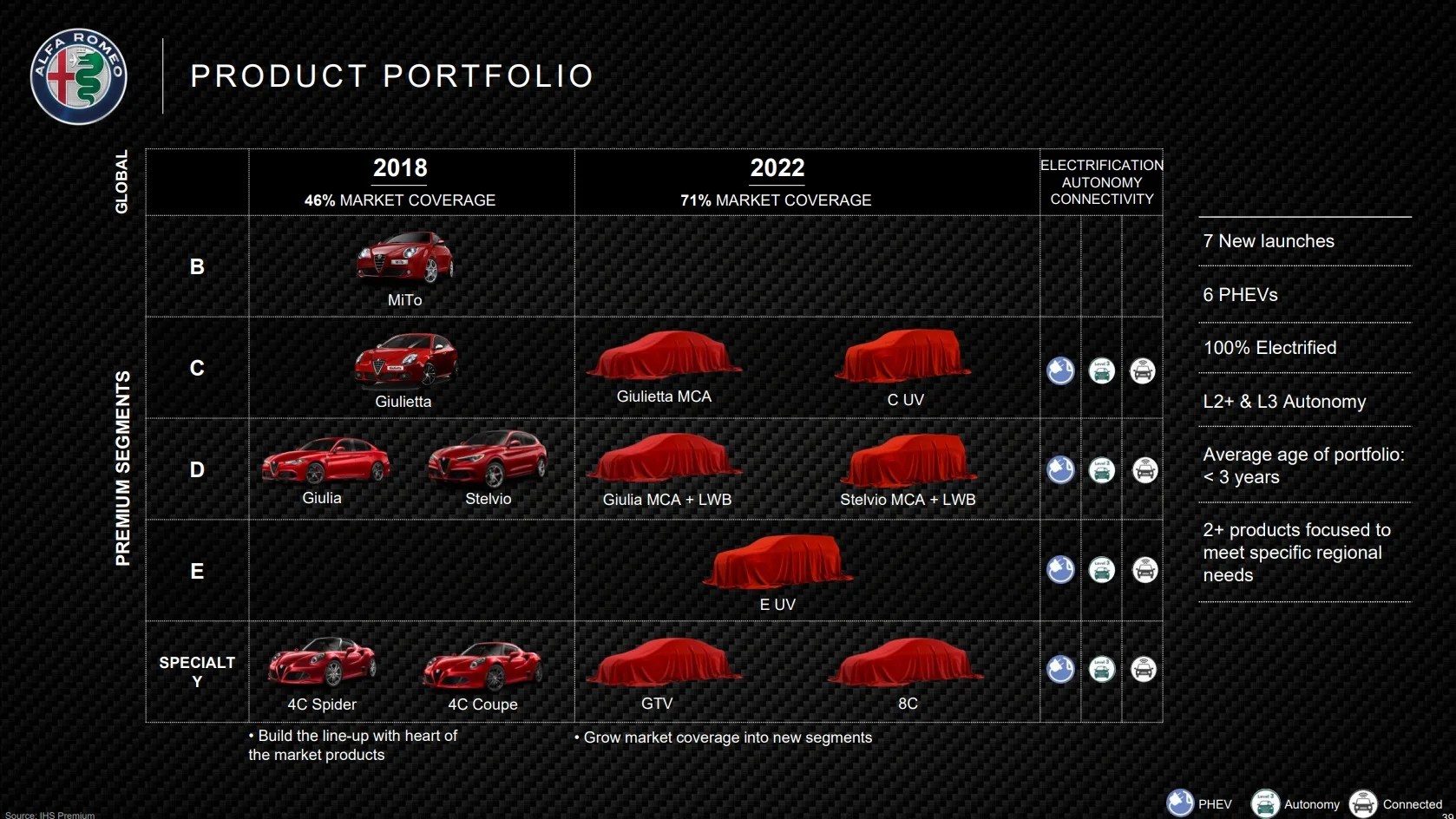
Alfa Romeo CEO Santo Ficili has acknowledged the uneven global readiness for electric vehicles, emphasizing a flexible approach to the brand’s future models. Rather than pursuing an all-EV lineup in the near term, Alfa Romeo will offer both hybrid and fully electric variants for its next-generation Giulia and Stelvio models, adjusting its strategy to match regional market demands.
Ficili stated in a recent interview that “the world is not ready everywhere” for fully electric vehicles. This perspective guides Alfa Romeo’s global product planning, ensuring that customers in different regions will have options that suit their infrastructure and preferences. The company remains committed to electrification but recognizes that a one-size-fits-all approach is not feasible at this stage.
Initially focused on full electrification, Alfa Romeo has recalibrated its strategy to include a spectrum of powertrains. The upcoming Giulia and Stelvio will be built on Stellantis’ STLA Large platform, which supports internal combustion engines (ICE), plug-in hybrids (PHEV), and battery electric vehicles (BEV). This platform flexibility required additional development time, leading to a delay in the models’ launch schedules.
Entry-level versions are expected to use turbocharged four-cylinder engines with mild-hybrid systems, while plug-in hybrid variants may feature a 1.6-liter engine paired with a rear-mounted electric motor. This multi-powertrain approach allows Alfa Romeo to respond to varying levels of EV adoption across international marke
ts.
For enthusiasts, the Quadrifoglio performance line will continue with electrified powertrains. Both Giulia Quadrifoglio and Stelvio Quadrifoglio are set to receive either plug-in hybrid or fully electric setups. Early reports suggest power outputs exceeding 670 horsepower, and some sources hint at potential figures nearing 1,000 horsepower, although these details remain unofficial.
The new Giulia and Stelvio are expected to increase in size, positioning them competitively against established German rivals like the BMW 3 Series, Mercedes-Benz C-Class, BMW X3, and Mercedes-Benz GLC. Alfa Romeo aims to maintain its performance edge while adapting to new emissions and consumer demands.
Alfa Romeo’s pragmatic approach reflects the complexities of the current automotive landscape. The brand’s decision to offer both hybrid and electric options recognizes that the global shift to EVs is progressing at different rates in different markets. Rather than risking market share by forcing full electrification, Alfa Romeo is hedging its bets with a diversified portfolio. This flexibility could be a significant advantage, particularly in regions where EV infrastructure is still developing. For performance enthusiasts, the continued investment in high-powered Quadrifoglio models signals that Alfa Romeo is not abandoning its sporty heritage. As the transition to electrified mobility accelerates, the brand’s adaptive strategy may prove crucial in maintaining both relevance and appeal in a rapidly changing industry.