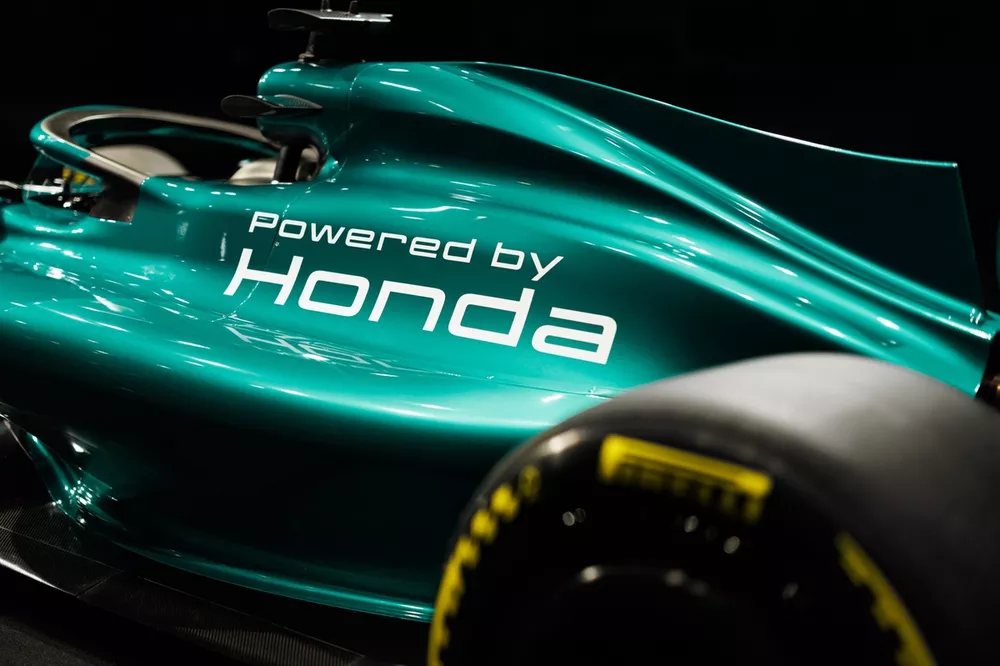
Honda has identified driveability and energy management as its key targets for the Canadian Grand Prix as Aston Martin continues to recover from a difficult start to the 2026 Formula 1 season. After early reliability problems with its power unit, the Japanese manufacturer says its focus is now gradually shifting toward performance.
The new works partnership between Honda and Aston Martin began the season below expectations. Aston Martin had hoped to fight closer to the front, but the AMR26 has suffered from both reliability and performance limitations.
One of the main early concerns involved vibrations from the Honda power unit, which reportedly damaged batteries and raised concerns for the drivers. That left Honda with urgent work to do before it could turn its full attention to extracting more pace.
Honda made progress during Formula 1’s unexpected five-week break in April. One of Aston Martin’s AMR26 cars stayed in Japan after the Suzuka round, allowing Honda engineers at Sakura to study the package more closely.
The improvements were visible in Miami, where Aston Martin completed both the sprint and the main race with both cars. Honda trackside general manager and chief engineer Shintaro Orihara said the team confirmed improvements in battery vibration and overall power unit reliability at the Miami Grand Prix.
According to Orihara, Miami was also an important chance for Honda to learn more about energy management under the updated 2026 Formula 1 regulations. That work will continue at the Canadian Grand Prix.
Honda’s challenge is no longer only about making the power unit reliable enough to finish races. The next step is to make the package easier for Fernando Alonso and Lance Stroll to use at the limit, especially on a circuit like Montreal where traction, braking stability and acceleration are especially important.
Orihara said Honda will focus on improving driveability and its energy management strategy in Montreal. The aim is to help the Aston Martin drivers build more confidence behind the wheel.
He described this as an important target for the race weekend. Honda believes that if it can give the drivers more confidence when entering corners and carrying speed, it can unlock additional lap time from the AMR26.
Aston Martin’s performance level in Miami showed how much work remains. Fernando Alonso and Lance Stroll qualified 18th and 19th for the Grand Prix, around 1.2 seconds away from the Q2 cut-off.
Alonso’s session was also affected by a gearbox issue that caused random downshifts, but the team’s race pace remained far from points contention. Aston Martin finished Sunday’s race 78 seconds away from the points-paying positions.
Honda’s larger opportunity to close the gap to rival engine manufacturers will come after the Canadian Grand Prix. The ADUO mechanism, which stands for Additional Development and Upgrade Opportunities, is set to become available to engine manufacturers after the Montreal round.
That could give Honda a more meaningful chance to address its deficit, but it will not directly help the team during the Canadian Grand Prix weekend itself.
Aston Martin is also not expected to bring major car upgrades until the summer break. For now, the team remains in a fight near the back of the field with Cadillac and is still a long way from regular points-scoring opportunities.
That makes Honda’s short-term work on driveability and energy deployment especially important. Without a significant chassis upgrade package arriving immediately, small improvements in power unit behavior could be crucial for giving Alonso and Stroll a more predictable car in Montreal.