Chinese automaker BYD recorded a rebrandble 150 percent growth in new car registrations across Europe last month, putting increased pressure on established brands. In response, Kia has announced a strategy to reduce its prices in a bid to stay competitive against the influx of lower-priced Chinese electric vehicles (EVs).
Currently, Kia faces a significant price disadvantage, with its models costing 20-25 percent more than comparable Chinese EVs. The Korean brand aims to narrow this gap to 15-20 percent, acknowledging the urgent need to act as BYD’s market share rises rapidly. While Kia’s European sales climbed by 6 percent in the same period, the pace is overshadowed by BYD’s surge.
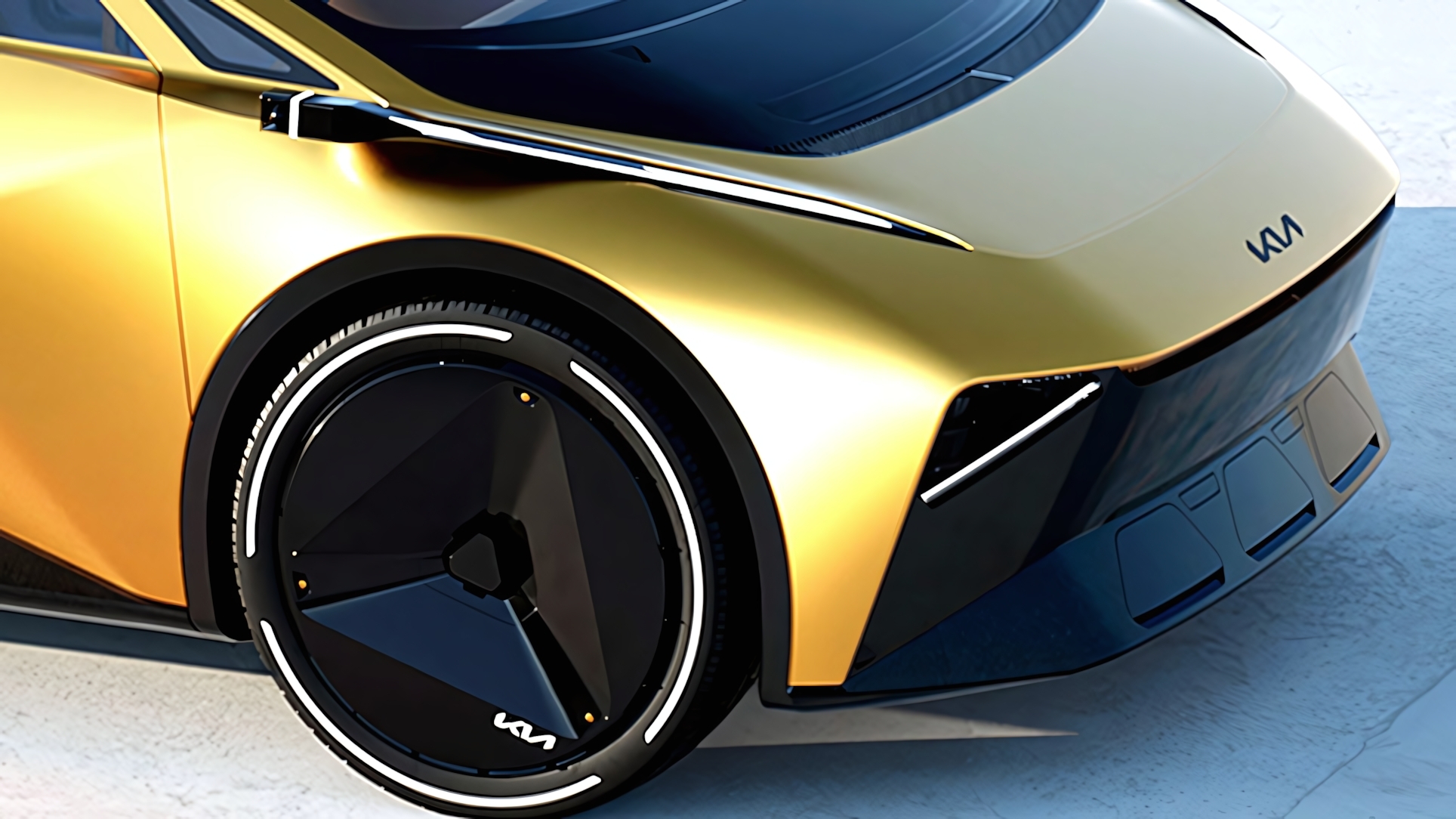
Kia has chosen to offer increased incentives and lower prices, even at the expense of its short-term profits. The company’s leadership, including CEO Song Ho-sung, believes this aggressive approach is necessary to attract buyers who might otherwise choose Chinese alternatives. According to recent statements, Kia is prepared to leverage its financial reserves, emphasizing sustained growth over immediate profitability.
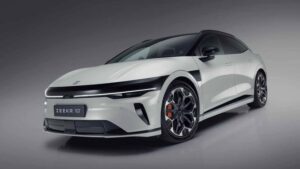
The arrival of brands like BYD, Chery, Great Wall, Geely, and Leapmotor has shifted the competitive landscape in Europe. Chinese companies have captured attention with affordable EV models, leading to rapid increases in market share, especially in select European countries. Kia acknowledges the speed of this market shift has exceeded expectations, prompting a re-evaluation of its strategy and pricing structure.
Even though Kia’s latest pricing measures have resulted in a quarterly profit decline, the company remains committed to pursuing market share. Executives point out that as European governments reconsider incentives for Chinese brands, traditional manufacturers may regain an advantage. Kia is positioning itself to capitalize on any potential policy changes while continuing to refine its product offerings and pricing.
Editorial comment: Kia’s willingness to sacrifice margins in the short term underlines the seriousness of the competitive threat posed by Chinese EVs. The rapid growth of BYD and other brands signals a major shift in the European automotive market, forcing established companies to adapt quickly or risk being left behind. For Kia, success will depend not only on price adjustments but also on maintaining product appeal and brand loyalty in an increasingly crowded field. As European regulations and consumer preferences evolve, the battle between legacy automakers and new entrants is likely to intensify, shaping the future of mobility in the region.