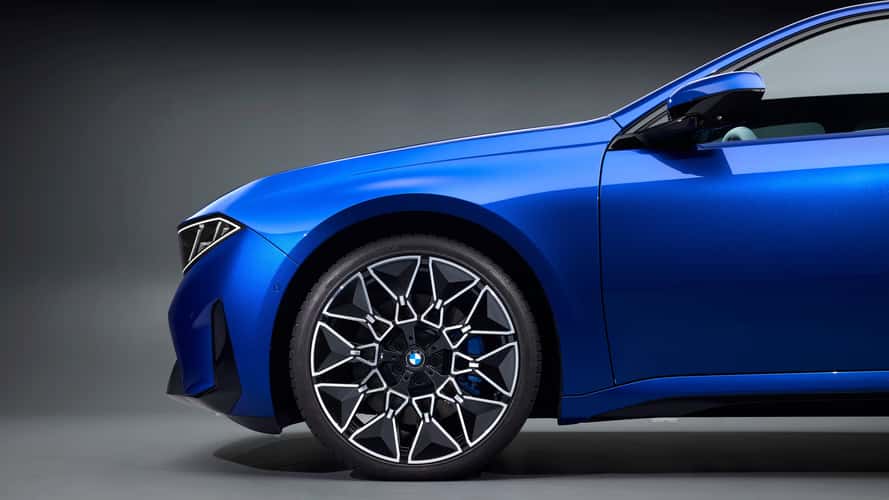
BMW is reportedly working on a more affordable Neue Klasse electric vehicle that could revive the idea of a compact electric hatchback. Expected to be based on the next-generation 1 Series, the model may be called the BMW i1 and could become one of the brand’s most important entry-level EVs in Europe.
BMW has already reused the i3 name for an electric sedan, moving away from the compact hatchback identity of the original i3. However, a new small electric hatchback is now said to be in development, and it could sit much closer to the spirit of BMW’s earlier compact EV.
The current 1 Series hatchback is expected to be replaced in 2028. According to the source article, the next-generation lineup will effectively split into two different models. One will continue as a combustion-powered successor to today’s F70 1 Series, while the other will be a dedicated electric vehicle built on BMW’s Neue Klasse platform.
The electric 1 Series, potentially named i1, is not expected to copy the original i3’s tall, people-carrier-like silhouette. Instead, it is reportedly being developed as a proper low-slung hatchback, which should help it feel more like a traditional compact BMW rather than a small crossover.
That approach would be especially important in Europe, where compact hatchbacks remain relevant. The 1 Series continues to be a popular model for BMW, helped by strong demand in markets such as Italy and France.
Although the i1 would share its basic platform philosophy with other Neue Klasse models, it is not expected to look like a shrunken i3 sedan with the trunk removed. BMW is said to be preparing a distinct design for the compact EV.
The model should follow the brand’s new Neue Klasse design language, but with its own front-end treatment, grille design, body surfacing and exterior details. That would mirror BMW’s approach with the i3 and iX3, which use related technology but have clearly different visual identities.
The arrival of the electric 1 Series could also bring back a body style that disappeared from the 1 Series lineup loveral years ago. According to the source, the i1 may revive the three-door hatchback format, which was discontinued when the third-generation 1 Series arrived in 2020.
If that happens, the i1 could appeal not only to buyers looking for a more affordable BMW EV, but also to drivers who miss the sportier and more compact look of earlier 1 Series hatchbacks.
The i1 is expected to share underpinnings with the Neue Klasse i3 sedan, but BMW would likely reduce some specifications to make the car more affordable. It is not expected to use the large 108.7 kWh battery pack associated with the i3 sedan’s maximum WLTP range of up to 559 miles.
Instead, the compact EV could use a smaller battery closer in size to the standard-range iX3. That would help BMW lower costs while still offering modern Neue Klasse efficiency, charging technology and driving dynamics.
A compact electric hatchback may be more strategically important for BMW than another expensive long-range flagship. If the company can combine Neue Klasse technology, rear-wheel drive and proper hatchback proportions at a price close to today’s 1 Series, the i1 could become one of Europe’s most convincing entry-level premium EVs.
For BMW, the challenge will be balancing price, range, performance and brand character. If the i1 delivers a genuine premium hatchback experience without pushing too far upmarket, it could give BMW a strong rival to future compact electric models from Mercedes, Audi and other European brands.