Automotive history is defined by bold ideas, experimental designs, and groundbreaking innovations that shape the cars we drive today. From legendary supercars like the Lamborghini Miura to forgotten concept vehicles that pushed engineering boundaries, these machines tell the story of an industry constantly reinventing itself.
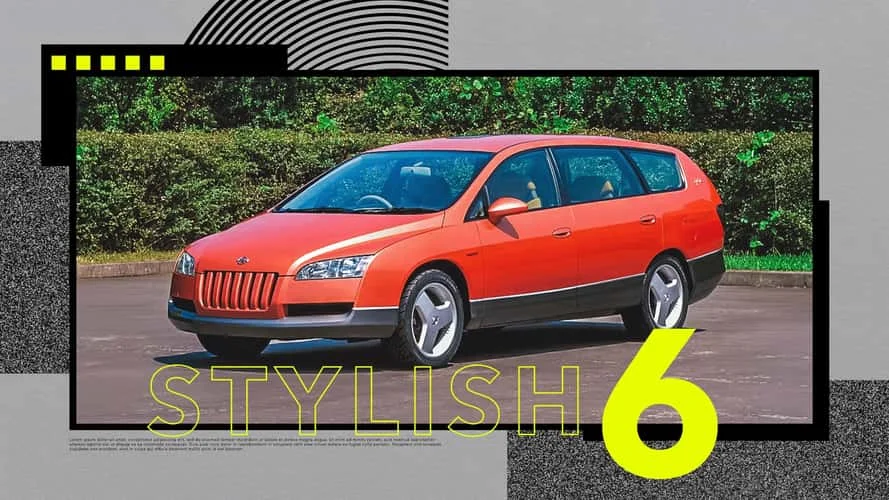
Throughout history, automakers have used concept cars to test radical ideas. Nissan’s Stylish 6, for example, was envisioned as an anti-minivan alternative, blending practicality with unconventional styling—yet it never reached production. Similarly, the futuristic Synergy concept from 1996 still looks ahead of its time, proving that visionary design can outlast decades.
Other experimental vehicles, such as the Toyota AXV-IV, focused on maximizing efficiency without sacrificing driving enjoyment. Meanwhile, Volkswagen’s 1986 Scooter concept showcased aerodynamic efficiency and minimal fuel consumption long before sustainability became an industry priority.
Some cars didn’t just experiment—they changed the game entirely. The Lamborghini Miura, introduced in 1966, redefined what a supercar could be with its mid-engine layout and striking design. In the United States, the Ford Mustang evolved from a simple pony car into a performance icon spanning multiple generations, culminating in today’s modern S650 platform.
BMW’s M3 lineage—from the original E30 to the latest G80—demonstrates how performance sedans have evolved while maintaining a core identity. Each generation reflects advances in engineering, technology, and driving dynamics.
Not all groundbreaking ideas come from production cars. McLaren’s innovative “Fiddle Brake” system, which allowed drivers to brake individual rear wheels for better cornering, is a prime example of motorsport ingenuity influencing modern performance systems. Likewise, early traction control concepts patented by Porsche in the 1930s foreshadowed technologies now standard in nearly every vehicle.
Even aerodynamic solutions, such as advanced airflow management developed with engineering partners, have influenced everything from race cars to everyday vehicles.
Automotive history is also filled with fascinating “what if” moments. The Alfa Romeo Nuvola sought to revive the art of coachbuilding, while Peugeot and Pininfarina collaborations imagined new rivals to established luxury sedans. Meanwhile, concepts like Nissan’s MID series hinted at high-performance futures that never materialized.
Volkswagen’s EcoRacer and BlueSport combined efficiency with driving fun, yet market conditions kept them from reaching showrooms. These unrealized projects remain important snapshots of design ambition and engineering creativity.
From Bentley’s evolving Winged B emblem to the long-term appreciation of engineering marvels like the Bugatti Veyron, automotive history is as much about legacy as it is about innovation. Even unlikely collaborations—such as Ford and Airstream—demonstrate how creative partnerships can produce enduring designs.
As the industry moves toward electrification and digitalization, these historic milestones serve as reminders that today’s bold ideas may become tomorrow’s standards. Automotive history continues to evolve, driven by the same spirit of experimentation that created these unforgettable machines.